
By Carter Phillips
The Possessed (1965)
The Possessed is not a film in The Criterion Collection and not a film which is studied in film school, it is lost to obscurity, thankfully spotlighted by Blu-ray boutique label: Arrow Video.

Wrongfully forgotten, the film is an early Giallo (Italian crime thriller) about a writer who seeks a woman he used to know.
Upon discovering she’s died under mysterious circumstances, the small town he used to use as a hideaway now becomes a deranged world where reality and dream mix.
Falling from life to slumber, imagination to possibility, he stumbles into evidence, coming closer and closer to the conclusion.
He is obsessed and he is grieving yet little is known about their relationship. They may have just been acquaintances.
Tokyo Twilight (1957)
Tokyo Twilight’s director Yasijuro Ozu is most well known for Good Morning (a remake of his silent film: I Was Born But…) and the Noriko Trilogy: Late Spring, Early Autumn, and Tokyo Story.
All are films worth watching, however I think more attention should be payed to his 1957 masterpiece: Tokyo Twilight which shows the ongoing lives of a family, but mainly of a daughter going through a secret abortion.
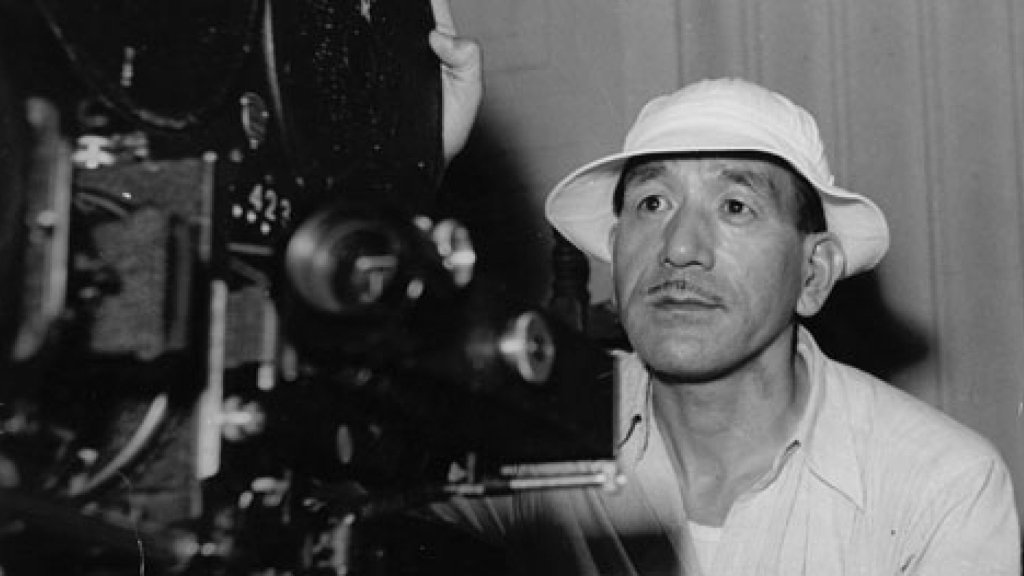
All of Ozu’s films were technically similar. His style was so precise that it becomes instantly recognizable when a film was made by him, yet also obvious when another was attempting to use his style.
He specialized in small-scale dramas about everyday people living in Japan. He never made the same film twice, even when reusing plot or remaking an older film, there were also vast differences. His worlds were one in the same yet miles apart.
His films are slow. The shots linger as to mimic real conversation and to spotlight the true nature of time. They were meditative. A person can get lost in an Ozu film, get to know the characters as if they were close friends, and then have they’re emotions shattered by the turmoil.
The one I picked is his darkest and as the name would suggest, it takes place mostly during the nighttime. The subject matter is both controversial and emotionally devastating. All this is contrasted with the snow of the winter season. It is Ozu’s only film that takes place during winter.
The film never picks any sides. All characters have deeply human viewpoints, they are nuanced. Specifically on abortion, the film still doesn’t pick a side. The camera is a spectator.
The main character can’t escape the shadow of her almost noble sister, the favorite. This perhaps unintentionally harkens back to James Dean in East of Eden.
She’s bad. She’s all messed up… Or is it just the world?
The film has many levels it can be viewed at, depending on your intelligence. In simplicity there is complexity. The depth does not come from what is spoken, but what is not.
The Third Man (1949)
A post-war Vienna is crime ridden. The police Lieutenant is doing the best that he can, but the film is not about him.
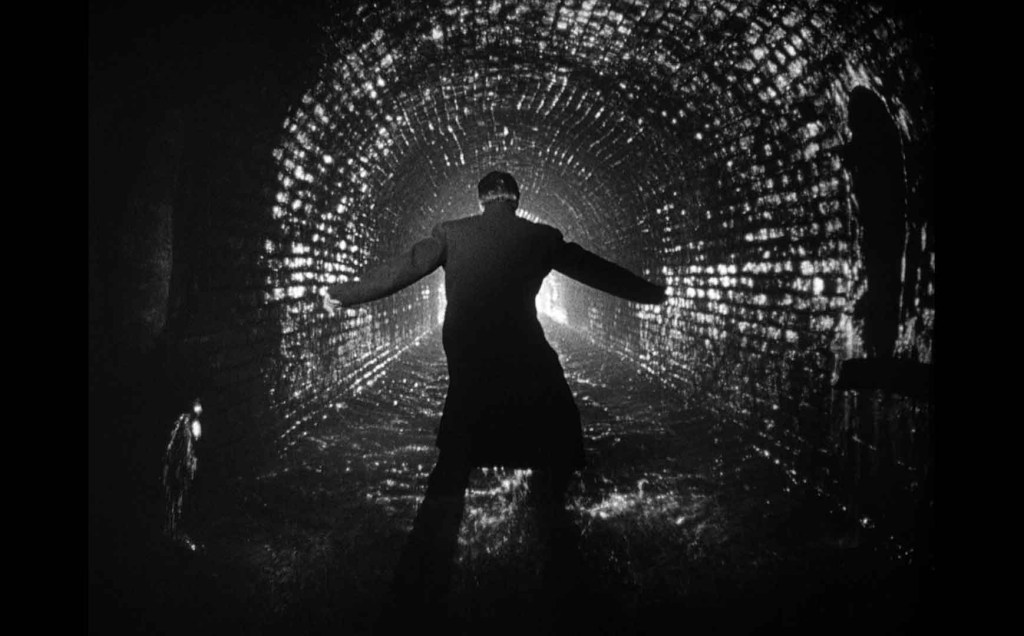
Holly Martins is an American pulp novelist who came in search for his friend.
His friend is dead, but the stories don’t add up.
He decides to do his own amateur sleuthing but puts himself in danger.
Meanwhile, the friend’s old lover is grieving for a man who may not have even cared for her.
Although made in 1949, it’s a cinematic page turner. Having seen it multiple times, I’m always enthralled by the film as if it’s a first watch.
The Third Man excels in every aspect, rightfully believed to be the best British film todate.
It’s noir cinematography, breezy street-music style score, incredible characters, perfect acting, splendid plot twists, great direction by Carol Reed and somber world-weary endued tone make it one of the best accomplishments of cinema.
 The Mustang Post