
By Benjamin Lopez
In the west, we’re all too familiar with bands such as the Beatles and the Rolling Stones, bands who dominated the music sphere and culture, and continue to influence music to this day. Even as far as Japan, their influence spread and dominated their youth music scene almost as much as it did ours. In the 1960s, the Japanese rock scene almost parallels ours. Yet how did it reach Japan, a nation so far away from the United States and United Kingdom geographically and culturally?
How Japan had so much western influence has to do with the American occupation between 1945 and 1952. After the destruction caused by the Second World War, the United States wanted to help rebuild the country and turn a former adversary into a current ally. With the influx of western aid and American soldiers, the cultural mixing changed Japan and shaped them into the nation they are today.
In these U.S. military bases would form the most popular style of Japanese rock of the time, with influence with western bands such as the Rolling Stones and the Beatles, groups would form to play western-style music with loud guitars, heavy drums, and punching lyrics.

One group of people would form the band “The Blue Comets” in 1952, created by those who would tour U.S. military bases and jazz cafes, places where Group Sounds would commonly be heard. Jackey Yoshikawa (Real name Itaoka Koichi) would join the band in 1957 and become the band leader in 1963. One of their most popular songs to this day is “Blue Chateau” released in 1967. According to lead vocalist “Tadao Inoue”, the song is supposedly “a tragedy” for Group Sounds as a genre.
“But actually, [making Blue Chateau] was a dilemma, because I made something that was the opposite of what I had been aiming for. It was also painful that other GS began to imitate it. I think GS’s tragedy began with that song” – Inoue.
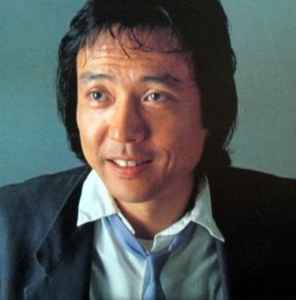
Other notable bands include The Mops, and The Spiders who are said to have created the first true Group Sounds song, “Furi-Furi” released on May 5, 1965.
As our rock movement was associated with delinquency and bad youth, so were certain parts of GS in this time. “The Tigers” were one such band, with influences directly stemming from The Beatles, wouldn’t see huge popularity until their single “My Marie” released in March 1967. Some of these groups would embrace the style, and others would reject it.
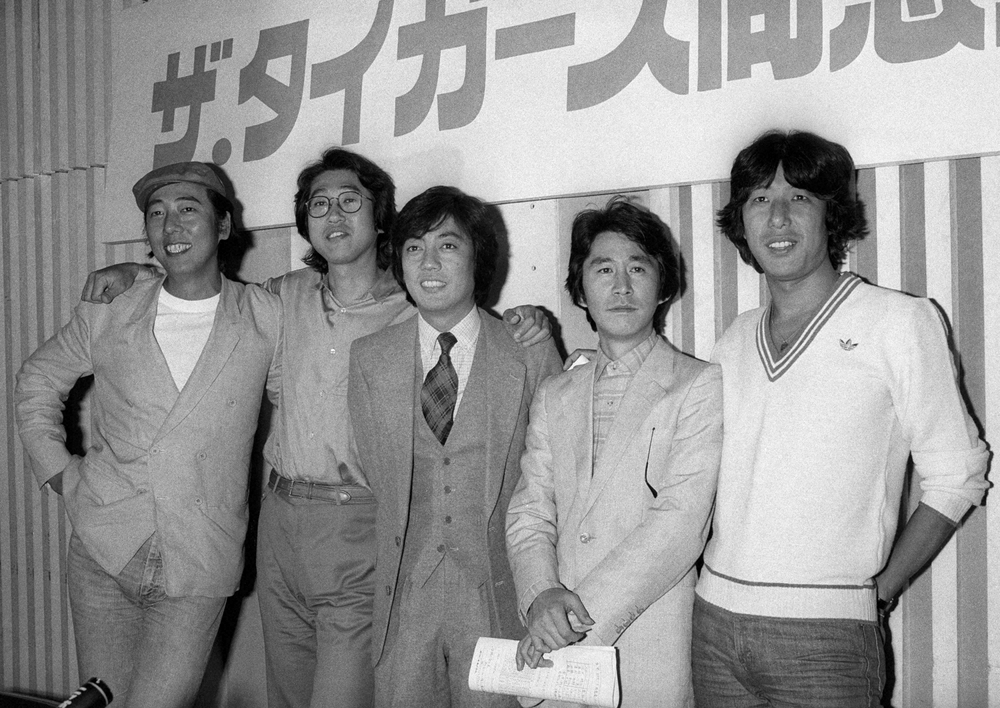
Pictures of the Blue Comets show the group in clean suits, neat hair, and formal poses, while pictures of The Tigers and The Mops show long hair, leather jackets, and clothing reminiscent more of The Beatles in the late 60s. As the movement carried on through the decade, these cleaner groups would become more widespread and mainstream, while those truer to the fashion of GS would fall to obscurity and typically disband.
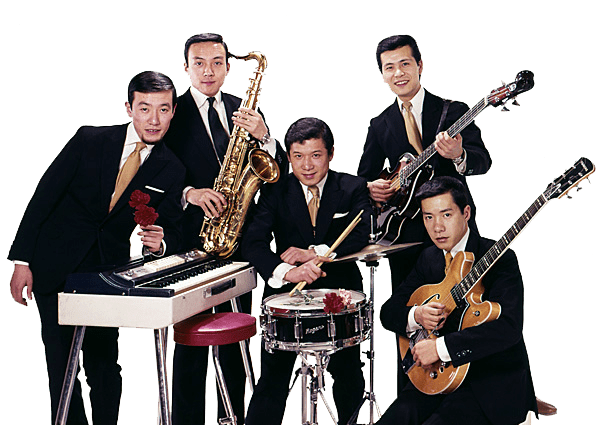
The Blue Comets would see themselves on the popular Ed Sullivan Show in 1968, whereas The Dynamites would disband in 1969 after four years of relative obscurity. Yet when it comes to all new genres, some original bands would rather go out with the original musical intent than succumb to being “mainstream” as some thought the Blue Comets had become at the time.
As of 1970, most GS bands had already disbanded or fallen to obscurity. The Blue Comets released their last hit in 1971 with “Ame no Sanbika” (Song of Rain) selling less than 4,000 copies of their single. In 1972, many of the members would leave, informally disbanding the group. Most GS bands after disbanding would either form new groups, or reform their old ones such as The Spiders, The Tigers, and some continue to this day like the Blue Comets.
Some of these groups would be seen as pioneers of other genres, such as The Mops for Japanese psychedelic rock. In the following decades, especially the late 1980s, these groups would see a resurgence in popularity, and would continue to have popularity within the older generation.
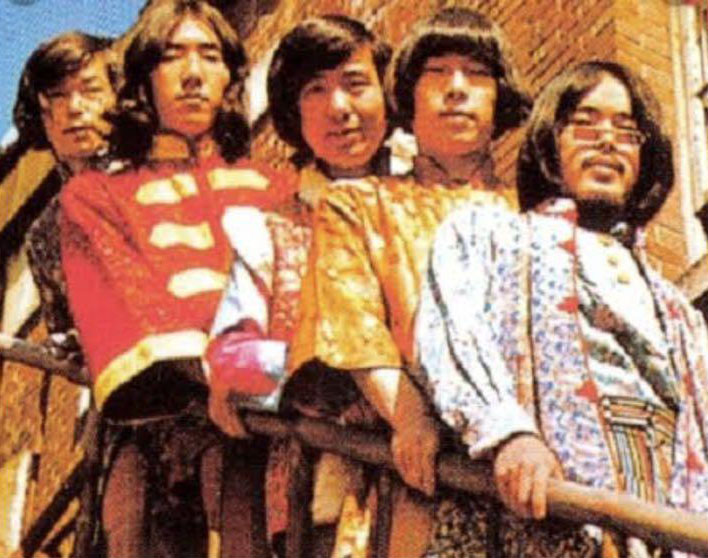
On May 30, 2000, leading vocalist, and songwriter, Tadao Inoue (changed to Daisuke Inoue) committed suicide due to issues from retinal surgery and fatigue from caring for his ailing wife. Following this tragedy, in 2002, the Blue Comets would return as a group and play a tribute to him, and The Spiders would play tribute at his funeral.
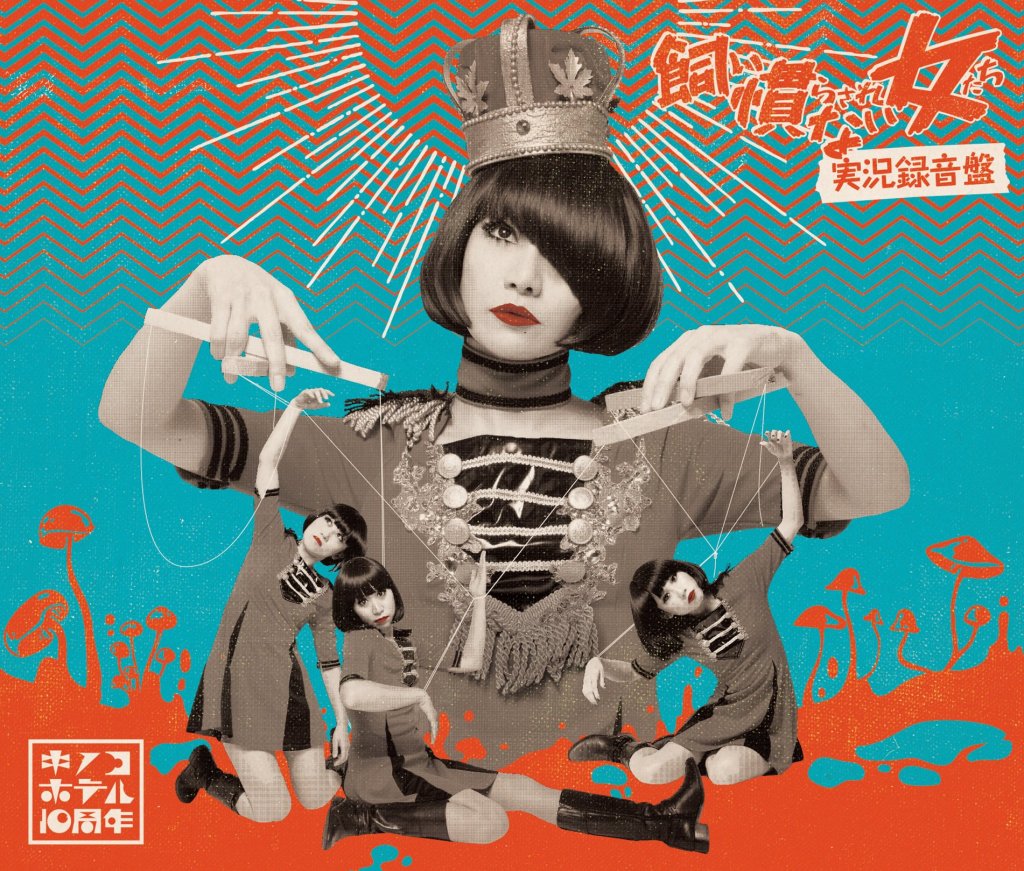
Group Sounds would forever be remembered as an old genre of rock music from a time long gone, during the Showa era. Most of the original “founders” or pioneers of the genre left their groups long ago. Very few bands still hold the GS genre these days. Two such bands that were formed after 2000 fit into this genre, such as Kinoco Hotel and The Captains, self-proclaimed the “last Group Sounds.”
Kinoco Hotel has more of a unique sound than replicating the old style like The Captains. They have a style of jazz, progressive rock, and GS inspiration in their music. The Captains by far more popular still, and is the most traditional to how GS sounds as a whole.
The legacy of this genre is one that is almost forgotten by the younger generations, it is seen as an old person’s genre, from the “Showa era,” and is mainly remembered by older people in the east and the west.
The popularity cannot be understated, however, because this phenomenon was incredibly impactful on Japanese culture. It was one of the first times east and west met within music, and a divider between the traditional older generation and their children born after the war.
It’s something worth remembering, and worth a listen. What was once a big shift in the landscape of Japanese culture is now the tradition. Same as it was here, what was once counterculture is simply just culture.
 The Mustang Post