

By Ashleigh Varing
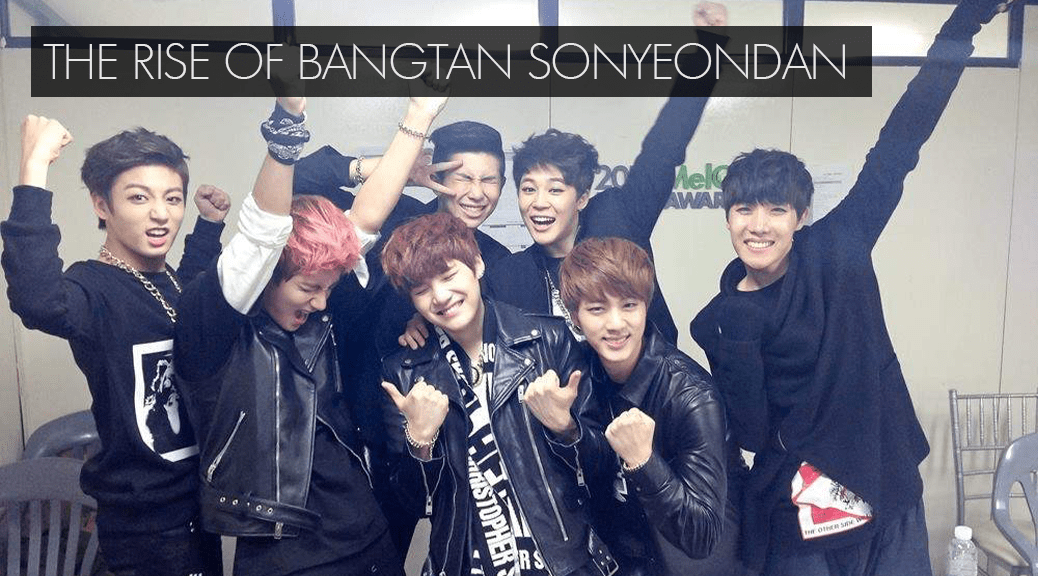
As you may remember, last time I left off on BTS winning Rookie of the Year in South Korea’s Melon Music Awards.
Since then, they’ve proven that was only the beginning of their ascent to global stardom. Record after record, they built their fame, fanbase, and art to something very close to perfection.
That near perfection brought them global attention, spanning their success well beyond the borders of Korea, into Japan, then jumping across the continent to Europe and eventually across the ocean to the United States, Canada, and the rest of the Americas. Truly, they’re a global sensation, unlike those artists fueled by the American-marketing machine.
Perhaps their success goes beyond that. Perhaps they came in at the right time when the world had developed a taste and fascination for Korean culture and art. But that may not be the case. After all, didn’t Wonder Girls attempt to bridge into the states, yet couldn’t, even after getting a Nickelodeon movie? Yes. Yes, they did. BTS? They’ve risen in popularity and improved their craft largely on their own: creating their own music, lyrics, and overall artistic style.
So, let’s take another look at BTS’ discography and the impressive records they’ve achieved with it.

On February 12, 2014, Skool Luv Affair was released. As the third and final album in their “school trilogy,” this album also contained a lot of themes having to do with teenagers. For example, the lead single “Boy in Luv” expresses the experience of love as a teen. The album peaked number 3 on the Billboard World Album Chart, selling a total of 14,852 copies by the end of the year.

On August 20, 2014, their first studio album Dark & Wild was released. BTS were still discussing love, just from the perspective of a young adult. The album peaked at number 3 on the Gaon Monthly Chart for August, selling a total of 51,655 copies in that month. It was also the 14th best-selling album of the year, having sold 100,906 copies by the end of 2014.
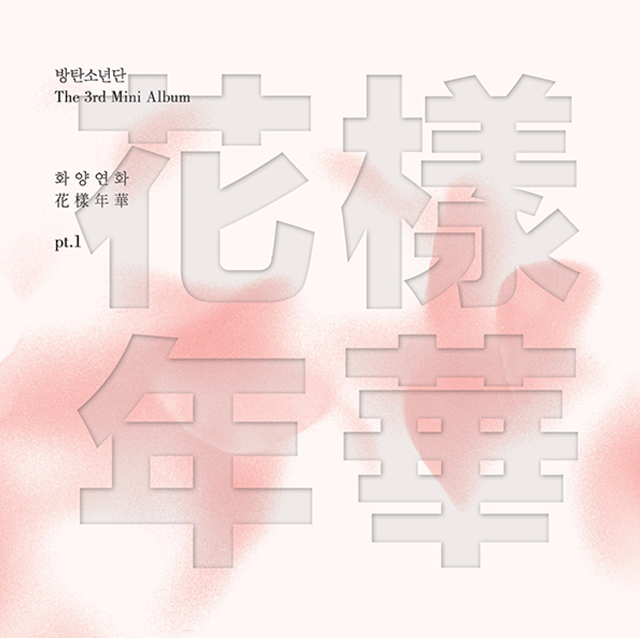
By 2015, BTS were slowly becoming relevant in the K-pop world, and that popularity was only boosted by the release of their third mini album, The Most Beautiful Moment in Life pt. 1, on April 29. This album discusses youth and uncertainty of the future, the boys’ sound shifting from hip-hop to pop. Despite the change, their songs were still lyrically dense and held even darker themes than the prior albums. The title track, “I Need U,” even got them their first music show win.
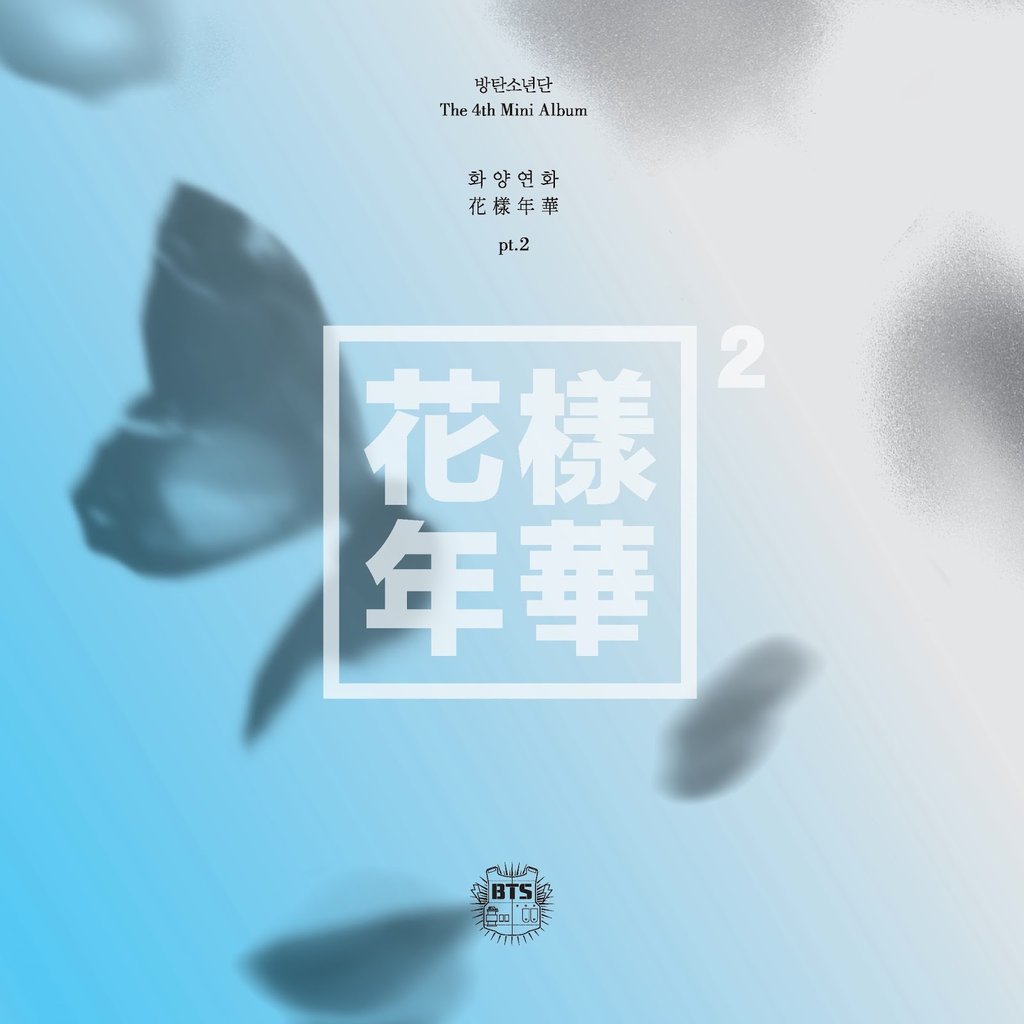
On November 30, 2015, the album The Most Beautiful Moment in Life pt. 2 was released, debuting at 171 on the Billboard 200, becoming the first K-Pop act outside of the big 3 labels (JYP, SM, and YG Entertainment) to do so. As explained by the title, the album is the second part in the HYYH (Hwa Yeon Yang Hwa a.k.a. “The Most Beautiful Moment in Life”) trilogy. As explained by BTS themselves, “Part one explained how youth is tiring and difficult, and it also touched on how we feel like we’re always on edge. Part two will have a more adventurous and daring feel to it. That’s why our title song is ‘Run.’”
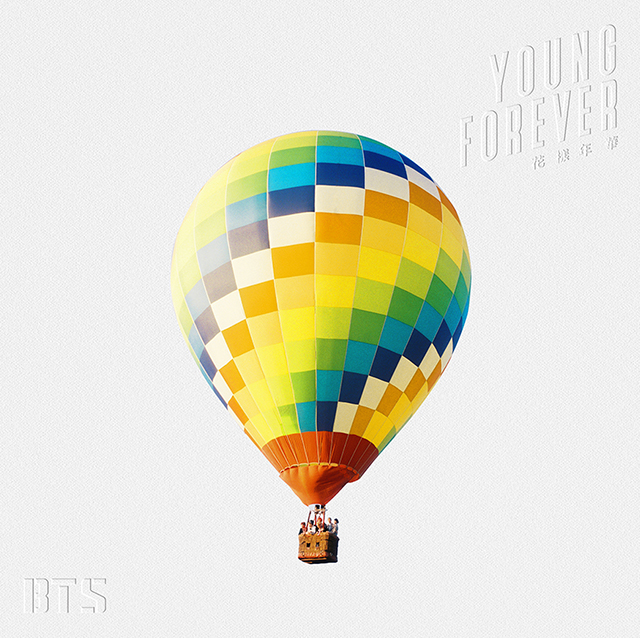
The Most Beautiful Moment in Life: Young Forever was released on May 2, 2016, debuting at number 107 on the Billboard 200 chart. The album had sold 300,000 copies in pre-sales after less than a week, topping the Gaon Monthly Chart in May with a little over 310,000 albums having been sold. This album even got BTS their very first Daesang, the highest award an artist can win at a Korean music show, on November 19, 2016. They were the first group in multiple years to have gotten a Daesang while under a label that wasn’t one of the big three. The boys now have over 60 Daesangs, and to put that into perspective, the group with the second most Daesangs has 23 in total.
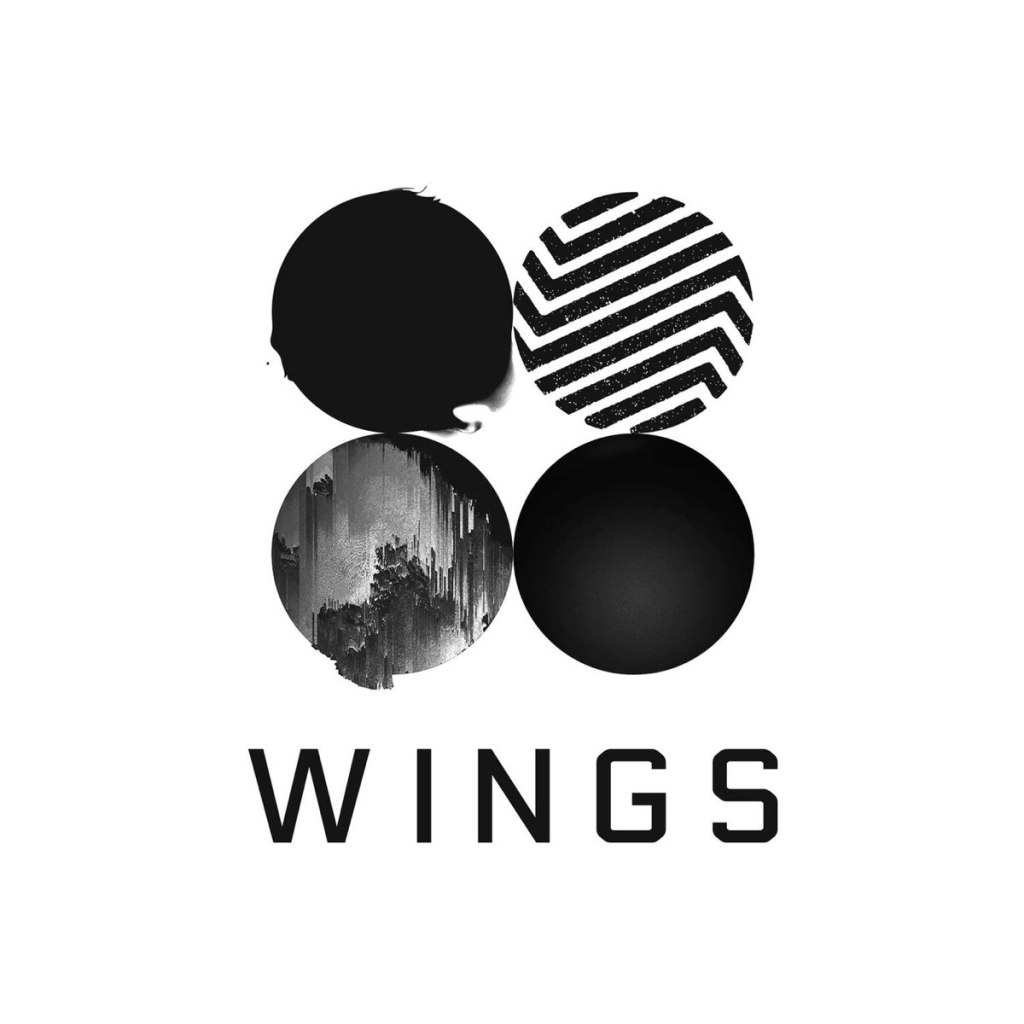
Later in 2016, on October 10, Wings was released, debuting at number 26 on the Billboard 200 chart, becoming the highest charting K-pop album at the time. The album is about temptation, and as Namjoon explains it, “The harder a temptation is to resist, the more you think about it and vacillate. That uncertainty is part of the process of growing. ‘Blood Sweat & Tears’ is a song that shows how one thinks, chooses, and grows.” The music video for the title track, “Blood Sweat & Tears,” has allusions to the novel Demian, a book about self-discovery inspired by Jungian psychology.
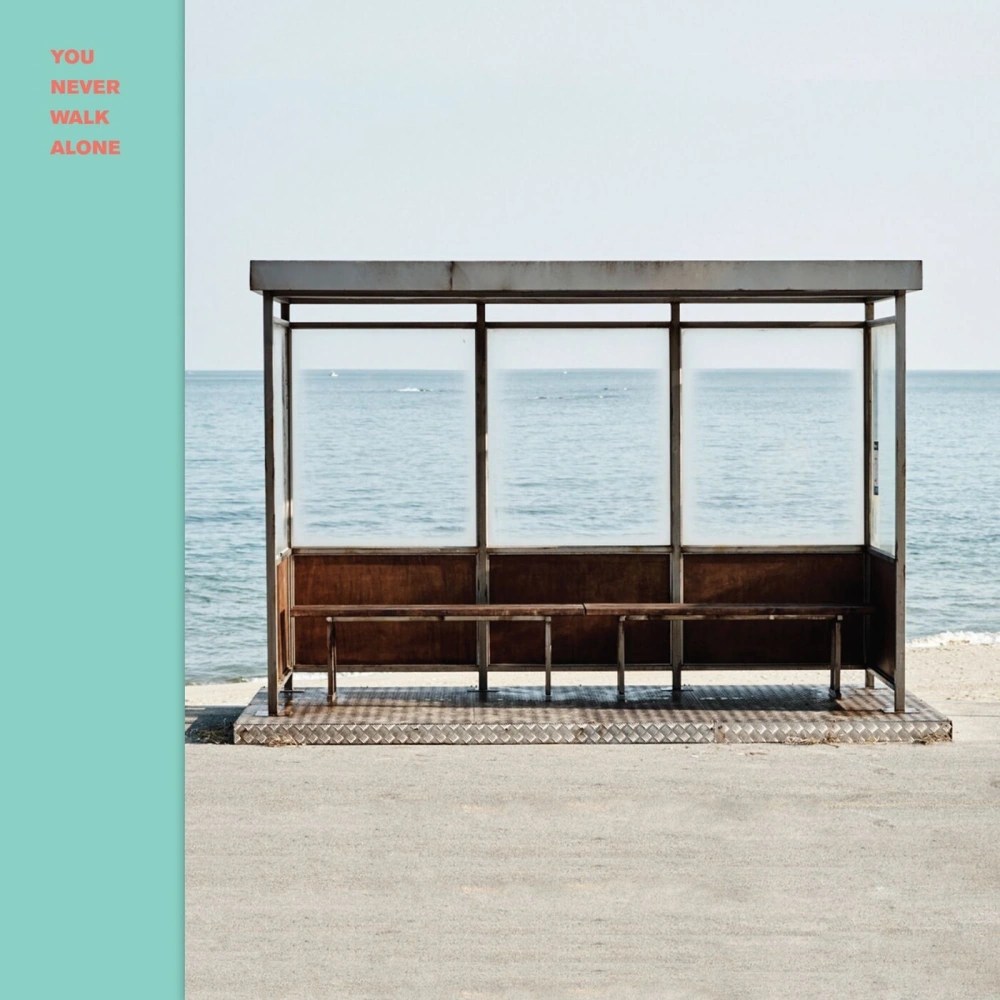
You Never Walk Alone was released on February 13, 2017, and was a repackaged version of Wings, with four new songs added. The lead single, “Spring Day,” is the longest charting song in Melon history, having spent over 300 consecutive weeks (five and a half years) on the Top 100 Melon Weekly Chart. The song is about longing and was revealed to be inspired by Namjoon and Yoongi losing their friends. In an interview from November of 2020, Namjoon said, “…I had friendships that meant a lot to me back in the day. But once I moved to Seoul and started my traineeship, I kind of drifted apart and eventually lost them.”
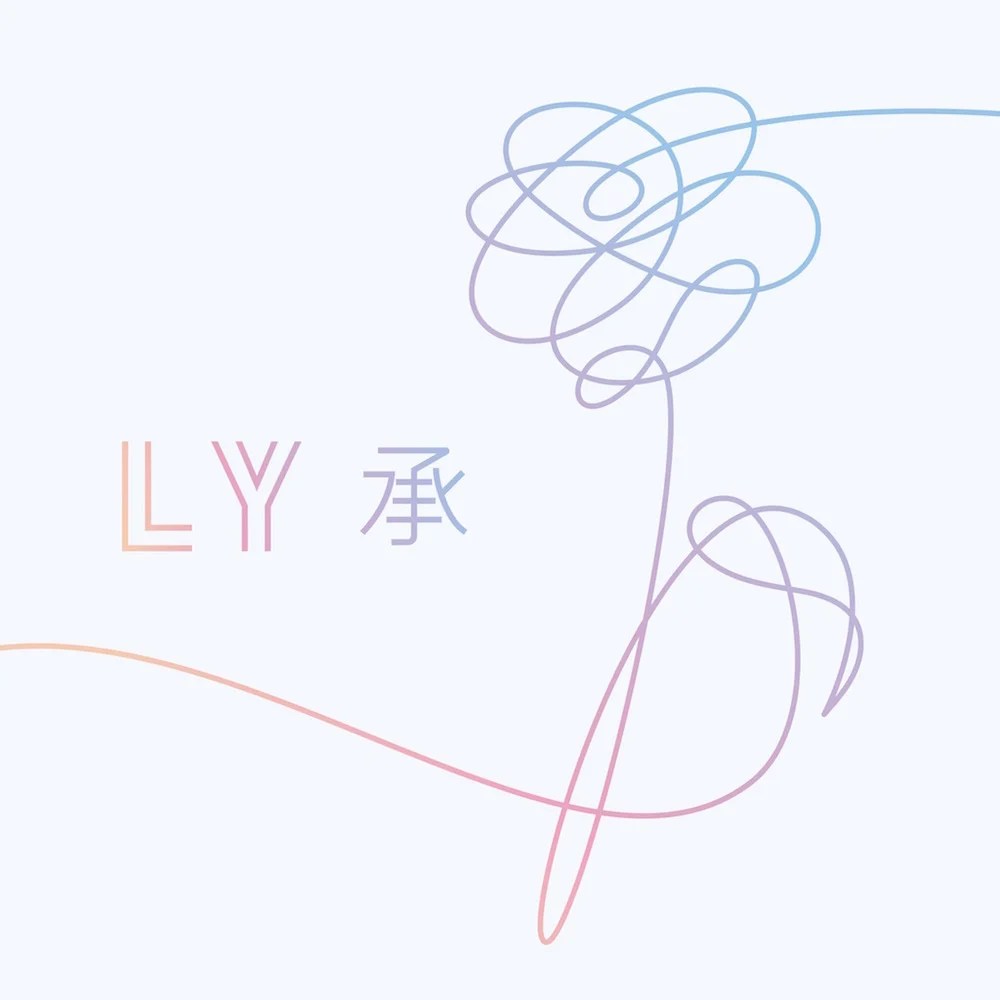
Love Yourself: Her was released on September 18, 2017, as the first album in the Love Yourself trilogy. The album expresses the anxieties and joys of falling in love, this idea further highlighted by the title track, “DNA.” Namjoon claims the song depicts a young, passionate love, and that it’s vastly different from their earlier releases. The album ranked number 1 in 73 countries, debuting at number 85 on the Billboard Hot 100. It was the highest selling album of September that year, with 1,203,533 copies sold.
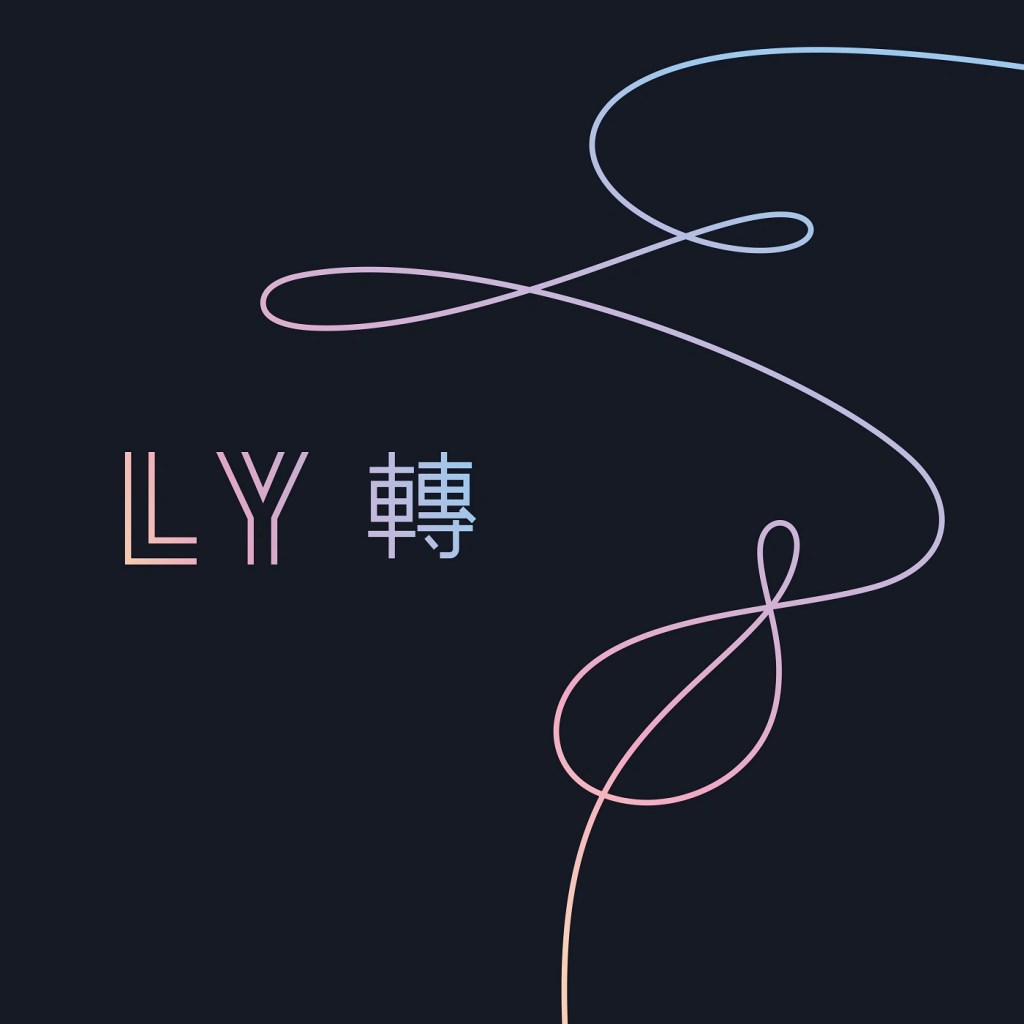
The group’s third full-length album, Love Yourself: Tear, was released on May 18, 2018. This album has a much more somber tone in comparison to the earlier album in the trilogy, particularly within the title track “Fake Love,” which is about the loss of identity that follows holding onto a toxic relationship. This album sold 1.44 million copies in the first six days of its pre-order period, and it earned them the top spot on the Billboard Top 200 and the first Official Million Certification from Gaon.
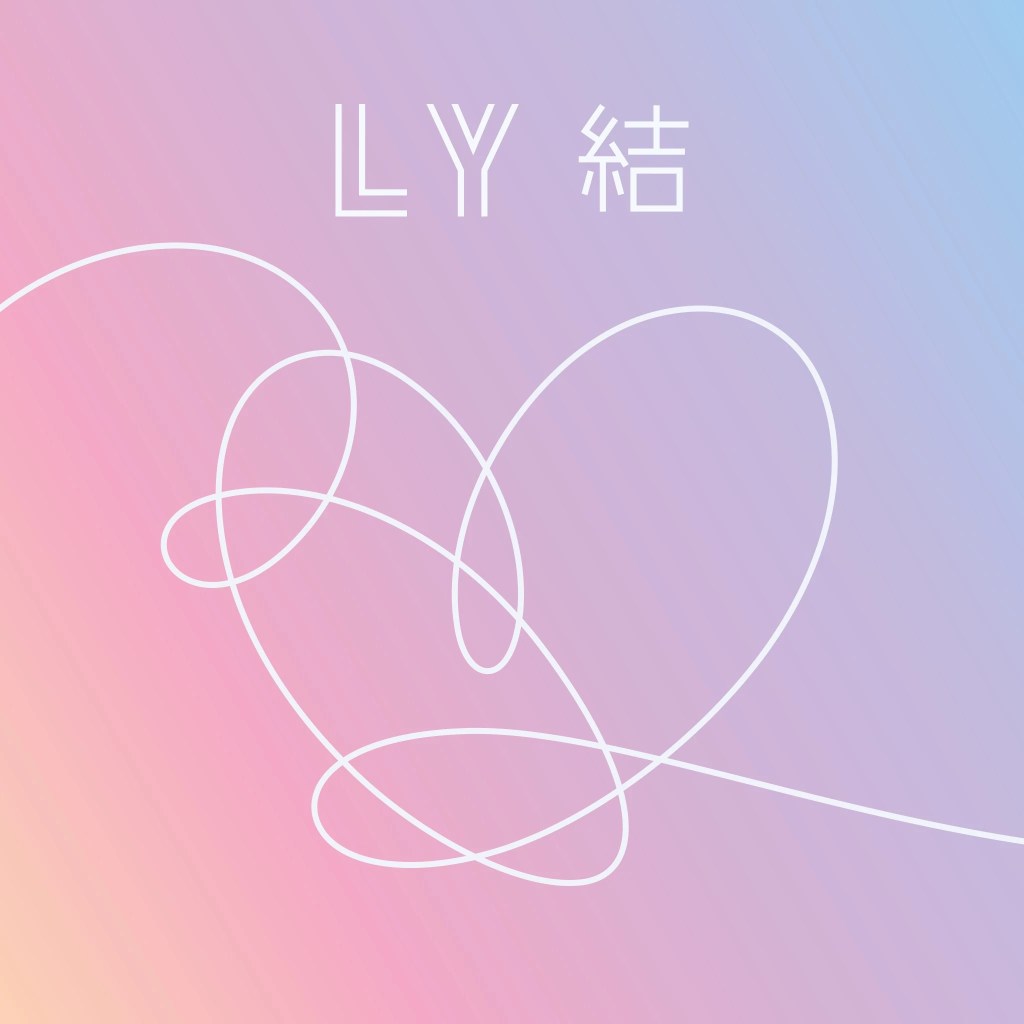
On August 24, 2018, the final album in the Love Yourself series, Love Yourself: Answer, was released as a compilation album, which included seven new tracks. The album focuses on themes of reflection, empowerment, and most importantly, self-love. Love Yourself: Answer sold more than 1.51 million copies, surpassing Love Yourself: Tear as the most pre-ordered album in South Korea. On November 7, 2019, it became the first Korean album to spend an entire year on the Billboard 200, this record only being surpassed by themselves with Map of the Soul: 7.

On April 12, 2019, Map of the Soul: Persona was released, with various influences from philosophy (microcosms), Greek mythology (Dionysus), and psychology (the book Jung’s Map of the Soul, as shown by the title of the album). The day prior to the album’s release, 3.07 million copies of it had been preordered, and upon debut, it made BTS the first band since the Beatles to have three number-one albums in under a year.
Their first pre-release single, “Black Swan,” was made available for download and streaming on January 17, 2020. The song discusses the band’s fear of losing their passion for music, with lyrics such as “the heart no longer races when the music starts to play” and “if this can no longer resonate, no longer make my heart flutter, then perhaps this is how I die my first death.” The latter is a reference to a quote by Martha Graham: “A dancer dies twice — once when they stop dancing, and this first death is the more painful.”
Their fourth full-length album, titled Map of the Soul: 7 (in honor of the seven members of the group and their seventh anniversary together), was released on February 21, 2020. The album was meant as a final sendoff before Seokjin’s enlistment into the military, which was later postponed due to the pandemic. It topped IFPI’s Global Album Sales Chart and Oricon’s mid-year Album Chart ranking, making them the first foreign artists since Michael Jackson to do so. It also became the first album to be certified as Quadruple Million by Gaon.
BTS’ first English single, “Dynamite,” was released on August 21, 2020, and is likely the song you’re most familiar with. The song was intended to uplift the public during the rough pandemic, and it quickly blew up. “Dynamite” got them their first Grammy nomination, helped them achieve a Daesang sweep (when all Daesangs are won by the same artist), spent 32 consecutive weeks on the Hot 100 chart, collected 7.78 million streams on the first day, and at one point was the most viewed YouTube video in 24 hours (though this record was later surpassed by their own song, “Butter”).
BE, released November 20, 2020, was an album released to help those struggling with the sudden pandemic. “Dynamite,” initially an independent single, was included as the eighth track on the album. With this album, they became the only artists apart from Taylor Swift to debut at number one on the Hot 100 and Billboard 200 simultaneously. It also made them the fastest group to have five number-one albums since the Beatles. “Life Goes On,” the album’s title track, became the first non-English song to debut at the top spot on the chart. The album also claimed the second spot on IFPI’s Global Album Sales Chart for 2020, making them the only artist to have multiple albums listed.

“Butter,” the group’s second English single, was released on May 20, 2021. Meant to be a fun summer song aiming to be easy to listen to, it quickly became a hit, with over 108 million views in its first 24 hours and ten consecutive weeks on the Billboard Hot 100. Not to mention it still holds the record for the most-viewed music video in the first 24 hours.

“Permission to Dance,” released on July 9 (a.k.a. ‘ARMY Day’), celebrates diversity as well as uplifts spirits. The song features an optimistic message of hope and encourages listeners to let go of their worries and dance. Like “Butter,” “Permission to Dance” was also released in English, signaling the group’s continued efforts to connect with their global fanbase. While its performance on the charts was not as impressive as “Dynamite” or “Butter,” it still managed to debut atop the Hot 100 chart.

Their most recent whole-group album, Proof, was released three days prior to their 9th anniversary as a group on June 10, 2022. The album includes a re-recorded version of their unofficial 2013 song “Born Singer” (based on “Born Sinner” by J. Cole, which was included with his permission), five new tracks (two of which are only available on a physical copy of the album), the solo and sub-unit songs the members picked themselves, all their title tracks, and eleven demos (also exclusive to the physical album). The album sold two million copies on its release day alone and peaked at number 1 in eighteen countries.
BTS’ discography is a testament to their artistic vision, creativity, and dedication. Over the years, they’ve continued to push boundaries and break records, setting new standards for what a K-pop group can achieve. And although the rest of them will be entering the military shortly, they are not done for good. There’s a high chance of a comeback in 2025, and there will be updates posted throughout the next few years.



 The Mustang Post