
By Carter Phillips
Much has been said of the decline of the movie theaters, that is a victim of streaming services like the Video Rental Stores which in my lifetime have become ‘obsolete’.
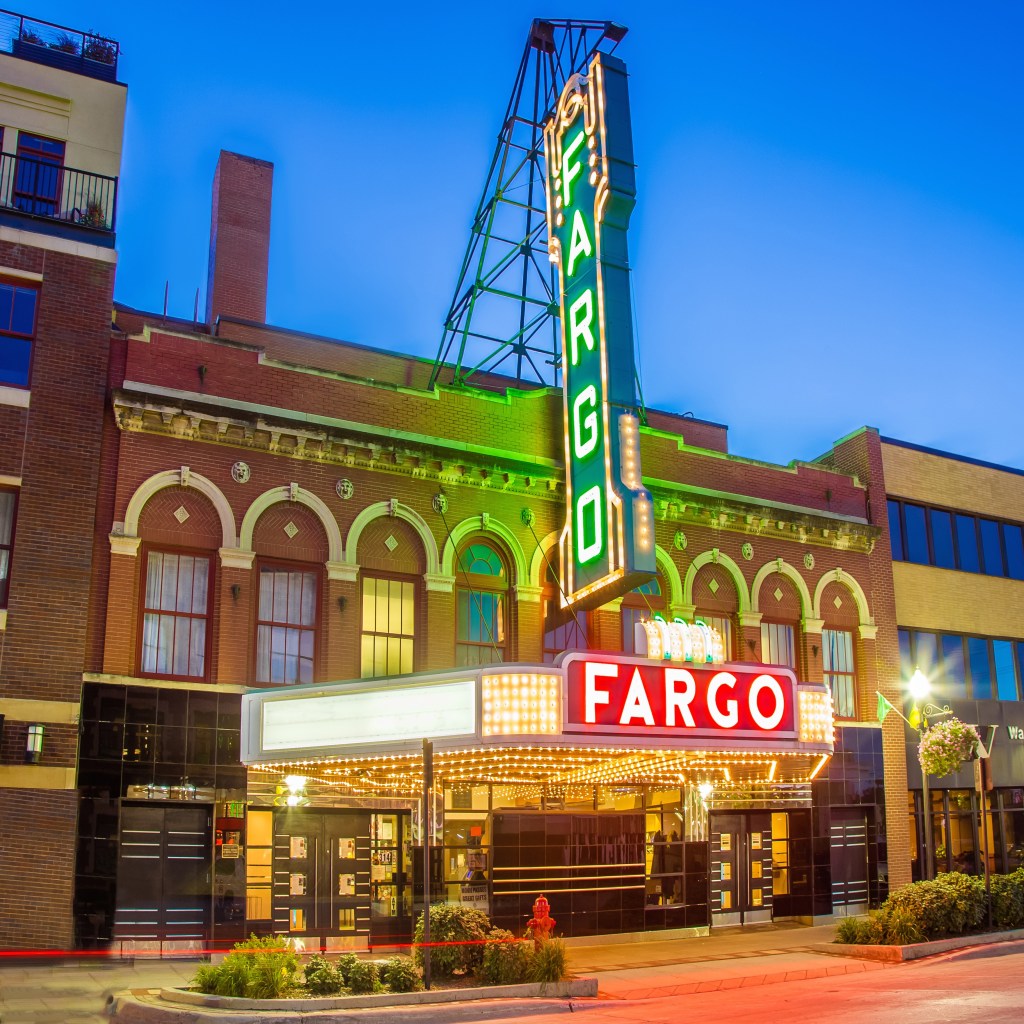
Image courtesy Emily Beck,
Executive Director Fargo Theatre
Although almost entirely extinct, video stores have something that streaming service can never have: a tangible display of films and actual people inhabiting the library.
Instead of an algorithm recommending films, an employee may assist in finding a film for you.
Maybe it’s simply the satisfaction of seeing spines on my shelf, or being able to hold a case in my hands, feel it’s weight, admire its artwork, see myself through the reflection on disc.
After all, cinema is just a camera looking back at us. It comes full circle.
Streaming Services are not all bad, however, they are a threat to movie theaters just as they were to the video rental store a decade ago.
With films being dropped on some streaming services the day of theater release, people can watch movies at the comfort of they’re own home. This is a massive problem for the many people who work at the cinemas.
The cinephile’s worry of movie theater longevity is not new. During the beginning of television, there was a drastic drop in cinema attendance. It was even more extreme than what the streaming services have been causing.
Streaming Services are also tiring because so many popular and important films are spread against multiple different companies, and to have what feels like complete access, you must sacrifice money only to lose more films when contracts are ended.
With a DVD, Blu-ray or 4K UHD disc, you can watch a film without the possibility of buffering, sudden drops in image quality and never worry about loosing it to a contract subsiding.
Most importantly, you watch films that you are interested in. You seek them out, you don’t have an algorithm seek films out to please you.
The Movie Theater is an even grander experience. They are built to have satisfactory viewings. Many are lavish or state of the art. They all have a universal, comfortable appeal by design.
Something unique about movie theaters that even my dearest discs don’t have is a massive screen and the communal experience.
Rowdy crowds are an issue, but for myself, I’ve had more positive experiences with the audience than negative ones.
Despite having to listen to a crying baby during the 45th anniversary showing of Jaws or listen to elders argue about who is supposed to sit where during the third act of News of the World, it’s hard to compare to the two hours (and more) of awe when I saw the latest Dune adaption.
It’s also great to rewatch a Hitchcock classic, Rear Window at the Fargo Theater with a live but respectful audience around me and my friend, laughing at the wit, gasping at the suspense and silent when most captivating. It’s like watching the film brand new.
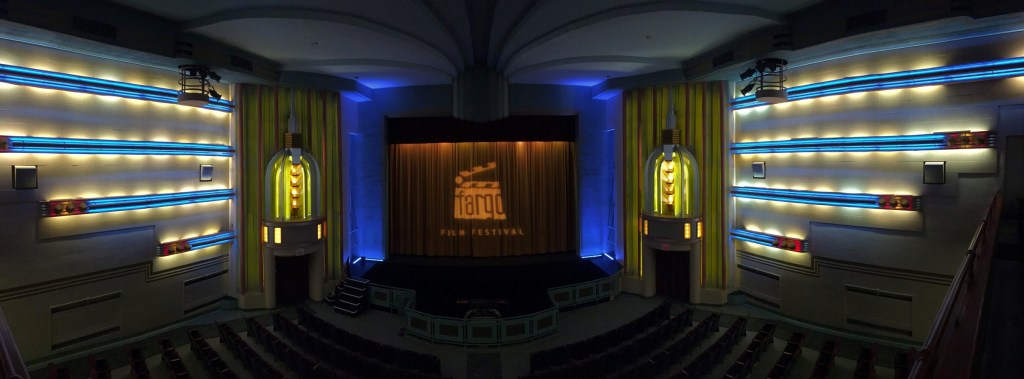
Image courtesy Emily Beck,
Executive Director Fargo Theatre
An important factor is that money leads to what films Hollywood prioritizes. If people don’t spend any money on watching a film they are interested in, it sends a message that those movies are not a worthwhile investment, because at the end of the day, they aren’t.
I don’t think movie theaters are going anywhere, I think that the true issue is what the effect of streaming services has on the types of films being released.
Most people aren’t aware that the film industry used to make a lot of money on home video releases, so much that they could make they’re money back on box office failures.
Because of that they could take more risks.
Nowadays the only risks being made are from art-house or art-house adjacent companies like: A24 and XYZ pictures.
These companies are smaller and have less obligations. To call them small is an understatement however because they still have productions that cost a lot of money and often have such people attached to them as Nicolas Cage and Greta Gerwig.
Meanwhile some filmmakers have completely abandoned working with the film industry and have started a new wave of cellphone cinema that they have called The Folk Film Movement.
This is nothing new. People make films spending little to no money and post them on the internet for free.
Nowadays though filmmakers like Joel Haver for example, seem to be making a profit off this because they have gotten such a big following.
Because they have almost no restrictions besides money and censorship, they are allowed to be as creative as they want.
Those filmmakers are on the fringe, still obscure but is it possible that someday they will be a big threat to the film industry?
This is to say that all the threats are still far from effecting mainstream cinemas. It’s the smaller, older theaters on the edge of town that are being threatened.
As much as anyone enjoys watching a film at their own home, I think there is a certain loneliness to it. Solitude is only cozy for a while, eventually it turns to imprisonment. With the pandemic seeming to be less of a threat, people are starting to get more comfortable leaving their homes more often.
Does this mean that a new attendance wave for theaters is on the way? It’s hard to know.
It’s possible that soon the only people going to movie theaters are going to be film lovers.
If so, the auditorium would be filled with less distractions.
I had correspondence with Fargo Theatres Executive Director Emily Beck who wrote, “Screen size, cutting-edge audio, and delicious popcorn all make a cinema visit special, but it is the audience — the collective cathartic experience — that is absolutely unique. I felt it recently at a screening of the new Spider-Man flick. The audience cheered when a certain character appeared and it felt exhilarating and exciting.”
Later she explained, “We will continue to work hard to give our guests the best independent, international, and classic programming available.”
Continuing, she mentioned that, “We’ve recently upped our concessions offerings to include specialty beverages and new candies. Our marketing frequently highlights the entire experience of going out downtown and all that has to offer.
Concluding her message she added in a hopeful note, “Since our reopening, we’ve heard from countless guests that they missed the Fargo Theatre and the experience of seeing a movie on the big screen. While they are challenges ahead, we remain optimistic that there will always be an audience eager for a night at the movies.”
 The Mustang Post