Category Archives: Feature & General

The Butterfly Effect

By: Allison Ambuehl

The butterfly effect is an interesting concept that explains how tiny actions can lead to major consequences over time. The idea comes from chaos theory, a branch of science that studies complex systems and unpredictable events. The term was popularized by meteorologist Edward Lorenz in the 1960s. He suggested that something as small as the flap of a butterfly’s wings in one part of the world could eventually influence weather patterns somewhere else, possibly even causing a tornado weeks later.

At first, the butterfly effect may sound unrealistic, but it highlights an important truth about life and nature, insignificant changes can grow into much larger outcomes. In chaotic systems such as the weather, the stock market, or human behavior, tiny differences at the beginning can completely alter what happens later. Because of this, predicting the future with perfect accuracy becomes nearly impossible.

The butterfly effect can also be seen in everyday life. A simple conversation may inspire someone to pursue a new career. Missing a bus could lead to meeting a person who changes your future. Even small habits, such as reading for twenty minutes a day or exercising regularly, can create significant long-term results. These examples show how little actions can shape the direction of a person’s life.

This idea has become popular in movies, literature, and psychology because it reflects how connected the world truly is. In many stories, one small decision changes an entire chain of events. The concept encourages people to think carefully about their choices and recognize that even seemingly unimportant actions may have lasting effects.

However, the butterfly effect is not only about dramatic consequences. It also reminds us that positive actions matter. A kind gesture, a word of encouragement, or a small act of generosity can spread from one person to another and influence many lives. In this way, the butterfly effect can be both scientific and deeply human.

The butterfly effect teaches us that the world is interconnected and unpredictable. While we cannot control every outcome, we can understand that our actions, no matter how small, have the power to create change. This idea inspires curiosity, responsibility, and hope, showing that even the smallest movement can shape the future in powerful ways.

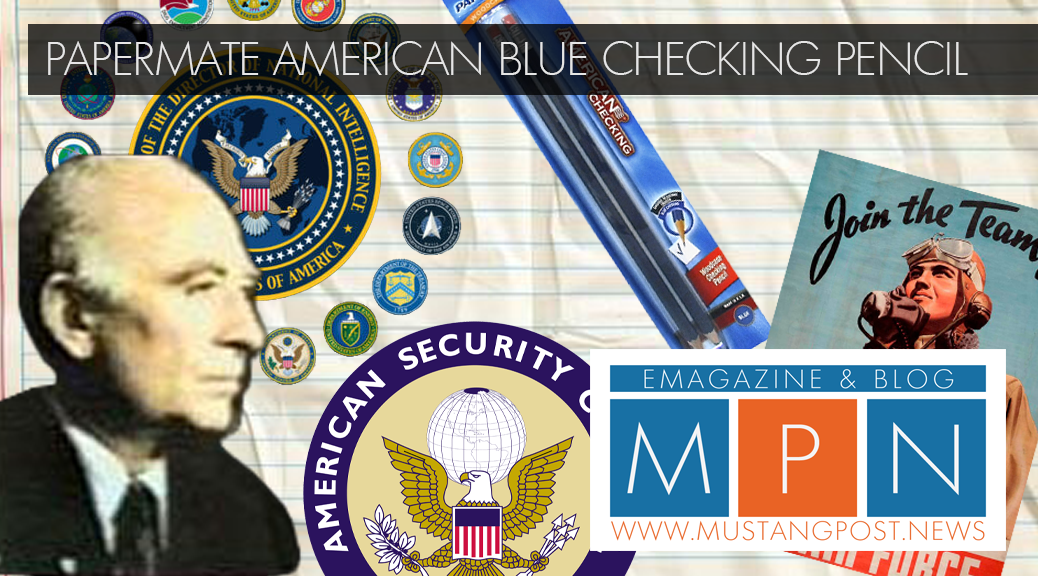
PaperMate American Blue Wood Case Checking Pencil

The PaperMate American Blue wood case checking pencil is not listed on the official PaperMate ‘about us’ list of advancements they’ve made to mankind. But was the PaperMate American Blue Wood Case checking pencil that insignificant or just unlucky? Lets see.

While WW II was simmering under a couple years of European warfare, Patrick J. Frawley Jr. was leading the charge on underperforming literary utensils. Creating a better quick drying ballpoint pen, he “revitalized” the inking industry, according to the PaperMate About Us section. He had previously acquired a ballpoint pen parts maker that defaulted on its loan, and rebranded as the Frawley Pen Company.

Hailing from Nicaragua, one of the poorest countries in the world, Patrick Joseph Frawley Junior is seemingly one of the lucky few to, I’d say properly achieve the American Dream. He was born to a banker, import-export Father and a stay-at-home mother in 1923. He learned how to wheel and deal from his father and negotiated a $300,000 deal between the Panamanian government and U.S. Rubber for tires at 18. He enlisted in the Royal Canadian Air Force and fought in WW II. He eventually went to and dropped out of college to keep working with his father.

At 23 he bought the downtrodden manufacturer for $18,000 and went on to sell over 51 million pens to what had previously been a market so disliked that you couldn’t give away prior ballpoint pens for free, said a 1955 Times newspaper. He sold the company to Gillette the same year for $11.4 million, equivalent to over $139,000,000 today after 1955 taxes.

He went on to buy shares in the Schick razor company and Technicolor Inc., became an outspoken anticommunist after Fidel Castro took over his factory in Cuba, and presented his opinion in a Catholic newspaper he founded.

Frawley also found himself as one of the first members in the American Security Council. Seemingly a pile of people that were born into money and politics that wanted better communist protection after the failure of the Korean war; feeling as though it were lost due to commie infiltrators. Though he is just one of the many people that started mass surveillance on the American public back in the day. He heavily funded a few conservative political campaigns, as well as INCA, the Information Council of America. They had a blacklist of over 6 million names that they gave to companies in hopes of weeding out commies trying to work in the private sector. You’d both be baffled and completely unsurprised at how any semi to official government funded mass surveillance programs there were, and probably still are.

He goes on to find treatment for his alcoholism and buys the hospital because of how well he felt the negative reinforcement treatment worked. He starts selling off his shares or ownerships of a few assets around now. Tries to blame the assassination of JFK, MLK, and RFK on the commies in his newspaper. Builds and buys and sells a mansion or two. And feared assassination due to reportedly being involved with “political espionage matters.” Patrick Joseph Frawley Jr., living until the ripe age of 75 in 1998, having seen the most human advancement in the history of our species, becoming a millionaire and governmental something or other, dies after lung surgery.
This pencil sent me down the most random and interesting rabbit hole by complete accident, but I’ve used better.

Henrik Wergeland’s Local and Worldly Impact

By: Adrianna Raile

After having gone through many renovations, Island Park holds a great story about the history of Fargo and the history of disputes between foreign countries. The most important story about Island Park is the story of Henrik Wergeland and the statues built for him.

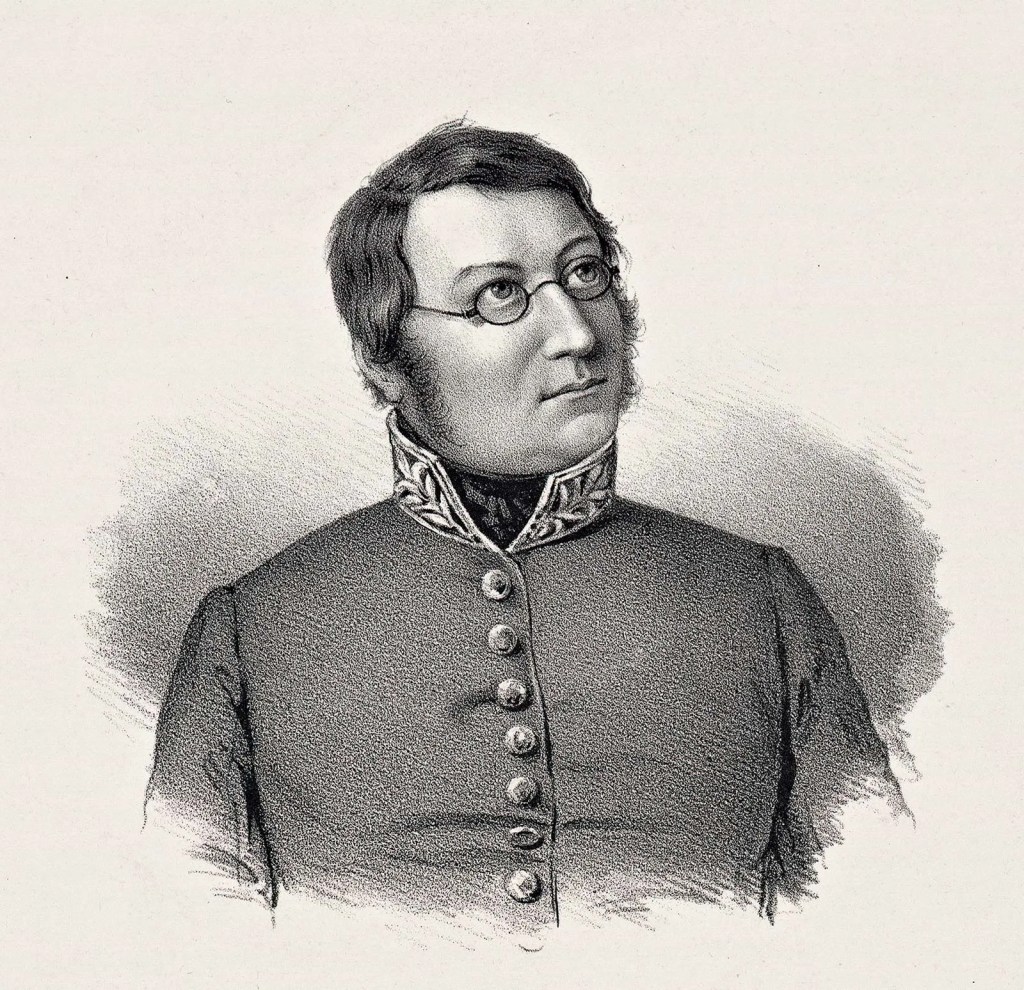
Henrik Wergeland was born in 1808 in Kristiansand, Norway. He was a writer who was most celebrated for his poetry but also known as a prolific playwright, polemicist, historian, and linguist.

For almost his whole life, he was seen as a heroic pioneer. His words led Sweden to independence in 1905, and has a nickname being “the Abraham Lincoln of Norway.”

The sculpture of Wergeland’s stature was Gustav Vigeland, one of Europe’s most well-known sculptors. Evidence suggests that he was working on Wergeland’s statue dating back to 1897.

As this statue was unveiled in the summer of 1908, more than 3,500 people were there to experience it. Here now in 2026, the statue still stands. To honor Norway’s most beloved poet, an identical bronze statue was unveiled in Oslo, Norway the same day.

As true landmark for North Dakota’s culture, the park is still being renovated and improved and will continue to be for 20 years and beyond.

The Rise of Carnival Cruising

With temperatures averaging 30 degrees and lower and lots of cold precipitation this spring, many North Dakotans search for spring vacation destinations that are warm and worth their well-earned dollars.


From Florida to tropical islands, people factor in their personal budgets, want for a vacation, as well as flight costs to get to their beloved location.


Weighing in pros and cons of tropical spring destinations, Carnival’s cruise line can’t help but be taken into consideration.


With budget-friendly prices, tropical destination ports, and lively guests, a Carnival cruise would love to see you coming its way!


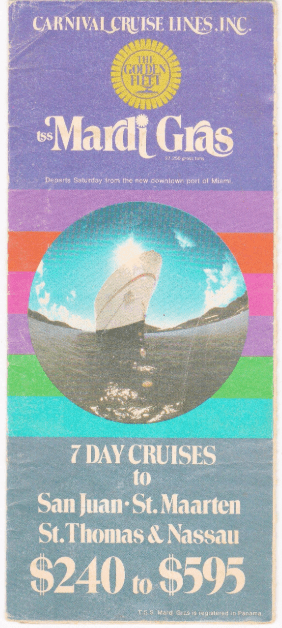
Aimed at average working American people and families looking for an accessible, and budget friendly cruise line, Ted Arison, creator of Norwegian Cruise Lines, started up Carnival Cruise Line in 1972.


At the time, cruising was not a popular vacation option for the “regular people,” and was mostly reserved for the wealthy vacationers looking for a relaxing vacation destination.


Recognizing an opportunity, Arison envisioned a cheaper alternative which would appeal to a different type of audience than other cruising lines.

With its first ship “Mardi Gras” departing from Miami, FL in 1972, Carnival started off strong! Gaining mainstream popularity, Carnival Cruise Line already inherited the nickname, the “Fun Ships.”


Seeing what major growth this line had already produced, Arison purchased two more ships in 1975 and 1978, naming them “Carnivale” and “Festivale.” With the success of the three ships, Carnival decided to do something out of the ordinary and build new ships to be able to compete with other rival Miami cruise lines.


Shocking the whole cruise line industry, Carnival revealed its newest ship “Tropicale” in 1982. With increased fuel prices at the time, people were shocked to see Carnival’s risky move in building their very own ship.


As this ship gained major popularity as well, it also stood as the trademark and base for what other Carnival ship models would be based off of, including its distinctive red, whale like fin.


After Carnival created their first ship, it was all gas from there. Purchasing their first three ships in the 70s, creating a total of three of their own ships in the 80s, the 90s brought around a new wave of change for the cruise. Launching its new “Fantasy Class Line” in 1990, Carnival wanted to change the whole layout of normal cruises at their time.

From 1990-1998, Carnival released a total of eight ships, all of which were extremely massive for this decade. Large pools for kids and adults, themed bars and lounges, and lots of space to move around and mingle, this embarked as a vital rounding point for Carnival.


The 2000s didn’t stop Carnival from creating and revising their own old ship plans and was now the birthplace for three new classes, the “Spirit Class,” the “Conquest Class,” and the “Splendor Class.” With a total of eleven ships taking voyage from 2000-2008, Carnival put major emphasis on space and an improved amenities list for its guests.


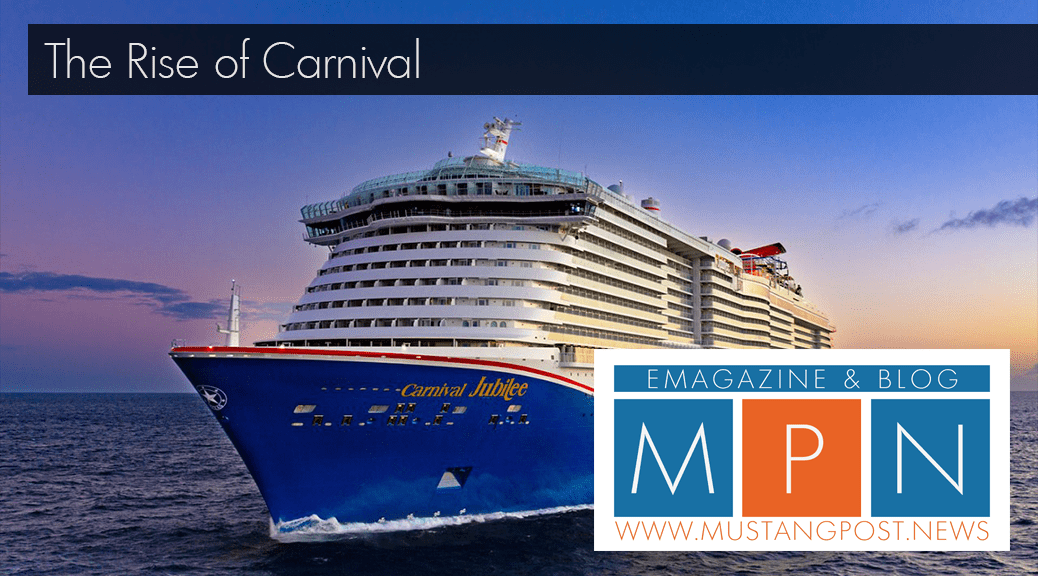
With a total of 14 ships and 5 new classes from 2009-2024, carnival has now introduced to us its biggest upgrade, “Jubilee.”

Jubilee is Carnival’s biggest and most anticipated ship yet! With 9 additional cost fine dining options, 13 included dining options, countless pools, a waterpark, spas, gameshows, clubs, mini golf course, basketball court, gym, ropes course, a casino, stores, and the only roller coaster on sea, this ship will have all ages entertained for hours on end.


Departing from Galveston, TX, its port is about an hour drive from Houston’s airport, and sails along the Western Caribbean.


With a worth of 10.75 billion dollars, Carnival Cruise Line has established its name in the top cruise lines around the world. For vacations made fun, book your next Carnival Cruise for loads of fun, relaxing sunshine, and a getaway from this bipolar spring weather!

Why Can’t Some People Stop Watching True Crime?

True crime is everywhere, from documentaries to podcasts. People enjoy it not just for. shock, but for curiosity and suspense. Following a case from beginning to end can make. viewers feel like detectives.

Research’s shows that curiosity activates the. brain’s reward system. Each clue or twist releases dopamine, the chemical linked to motivation and satisfaction.

It creates a “safe fear,” similar to riding a rollercoaster. Viewers experience suspense and adrenaline without real danger.

This mix of excitement and safety keeps. people returning to new documentaries, pod-casts, and cases.

True crime helps people explore motives and empathize with victims. Unsolved cases. encourage critical thinking, helping viewers. make sense of confusing or frightening events.

Fans share theories online, discuss cases. with friends, and bond over their interest in mysteries. Even when watching alone, viewers. feel part of a larger community.

It remains popular because it combines curiosity, suspense, empathy, and. connection. It allows people to explore. fear safely while learning more about human behavior and the world around them.

Speech and Debate in a World of AI

By: Mateo Landayan

AI recycles what information’s already been given to it. Ask an AI to write an essay, and it will. Ask it to make an article for your journalism class, and it probably could do it in a few minutes. Ask it to take a stance, defend it under pressure, respond in real time, and persuade a skeptical audience? That’s where things start to fall apart.

 In a world filled with artificial intelligence, students are competing with machines that can produce faster, summarize better, and generate forever. So, the question isn’t how students can keep up. It’s how they can stand out. The answer might be simpler than you’d think, by trying speech and debate. 

Debate teaches something AI fundamentally doesn’t have. It forces students to think on their feet, adapt when their arguments are challenged, and study ideas they don’t agree with. There’s no “regenerate response” button in a live round. You either understand your argument, or you don’t. 

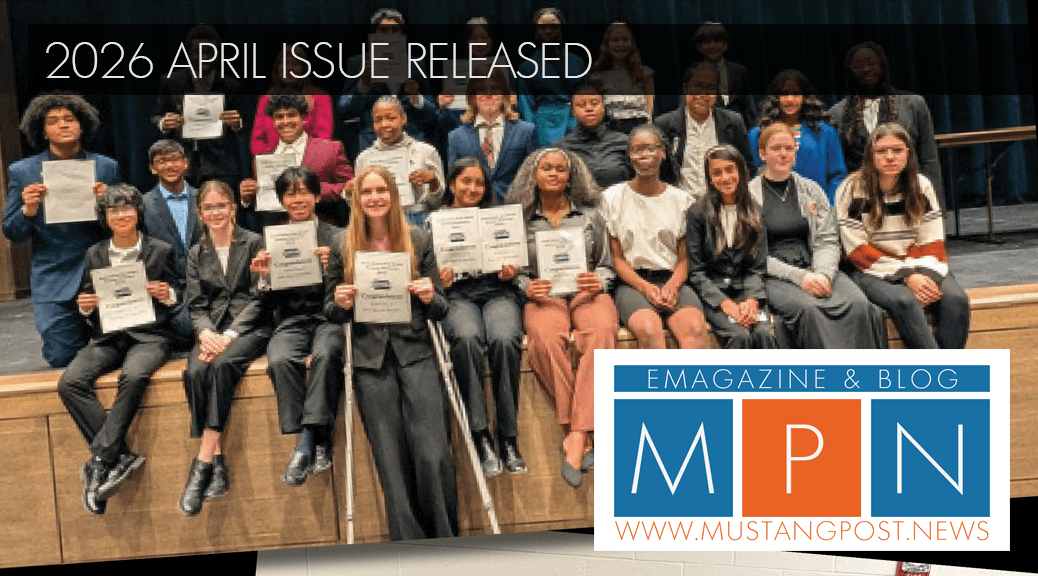
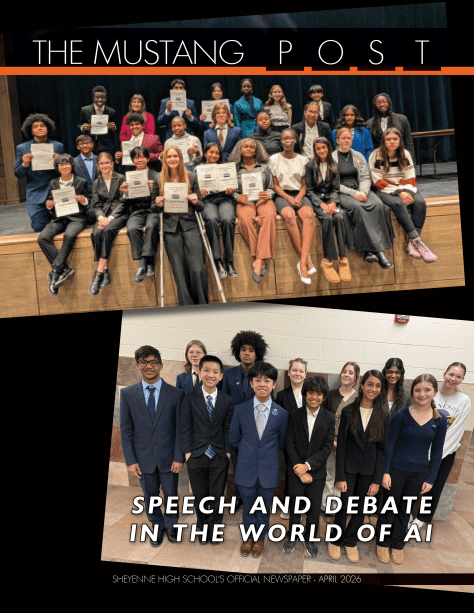
At West Fargo Sheyenne High School’s Debate Team, that idea is proven with their success. Over the past several years, the team has steadily climbed the state rankings: 8th in 2018, 5th in 2019 and 2020, 4th in 2021, and a major leap to 2nd place and state runner-up in 2022, followed by 3rd in 2023. That kind of consistency doesn’t come from copy pasting speeches generated by AI. It comes from students learning how to think, adapt, and perform under pressure. 

The same pattern shows up in speech. Sheyenne has repeatedly earned national recognition through the National Speech & Debate Association’s merit system, joining the prestigious 100 Club in 2016, 2017, 2018, 2020, 2021, and 2023, and reaching the even rarer 200 Club in 2019 and 2022. Those milestones show the teams discipline, communication, and a commitment to mastering skills that no chatbot could ever replicate. 

There’s a human element that even I overlooked at one point. Debate isn’t just about being right and talking over whoever disagrees with you. It’s about being convincing. Tone, delivery, and presence all matter. A well-crafted argument means nothing if it can’t connect with an audience. Students in debate learn to weigh evidence, recognize bias, and make decisions in real time. Ironically, the rise of AI makes debate more relevant. The easier it becomes to generate answers, the more valuable it is to question them. Students don’t need to out compute machines. They need to do what machines can’t. They need to think, adapt, and argue. And that starts with debate. 

Is The Death Penalty Fair?

The death penalty is one of the most controversial sentences in U.S history. This sentence is usually reserved for capital crimes, such as murder, federal crimes including large-scale drug trafficking, treason, and other specific aggravating factors.

Many groups are divided on whether the death penalty is a fair punishment. On one side of the debate, they believe the death penalty is flawed, defined by bias and error, and violates human rights.

While others believe the death penalty is the best possible punishment for a severe crime. They believe that this capital punishment is essential to punish those who commit severe and heinous crimes.

Even law enforcement is divided on this matter. Most believe that the death penalty is a waste of resources and that it does not make communities any safer.

Since these are the people that oversee death penalties and work with them up close, hearing that it has many flaws and is dysfunctional makes people even more opposed to the death penalty.

In the past, many judges have mistakenly sentenced innocent individuals to the death penalty, ending in countless losses and suffering.

For example, the case of Tommy Lee Walker was exonerated seventy years after he was executed by the electric chair at 21 years old.

This leaves people questioning whether the death penalty is really accurate or effective.

With plenty of evidence that the death penalty is flawed, the U.S government still authorizes it.

So, many individuals take matters into their own hands, resulting in many protests and movements.

Some of these death penalty movements date back to colonial times, which shows that the death penalty has been a reoccurring and ongoing conflict in society.

Despite many people arguing against the death penalty and what it has done, the government will continue to allow it, believing it makes them seem stern and rigorous.

Dogs Improve Your Mental Health?

By: Christina Miller

Dogs are a part of many people’s lives and families. For example, I have 4 dogs, and I feel as though they have improved my mental health. But how? What are the reasons?

According to the Mayo Clinic Health System, “Owning a dog has been linked to better mental health and a lower perception of social isolation [in addition to making people] less likely to experience depression.” Dogs will always be beside you. These animals show you a bunch of love and kindness. Having someone who’s always with you can help you feel more relaxed and safe.


Dogs are able to keep you moving. You can take them on walks or runs, which can help with exercise and being healthier. Dog owners have 54% more of the daily exercise requirements. Mayo Clinic Health System says, “Dogs give you a reason to go outside, breathe in fresh air, and get some physical activity.” This can also help reduce stress because exercise helps you release stress.

If you ever feel lonely, they can even be your companion. Dogs can make you feel like you have someone with you and support you. These animals give you love and care. Dog owners say that animals give them a sense of purpose during hard times.

They can help you be more productive. The American Heart Association shows a study that says pets in the workplace help reduce stress. The reduction of stress that the feeling of being ready makes it so that you can focus.

Creating a route can help many people. Dogs can help create a routine and make it so you have something to do every day, and keep yourself organized.

Overall, dogs are very helpful to have. They can reduce negative feelings.