All posts by Emmitt Miller

TERRARIA: DO WE NEED THE WIKI AFTERALL?

Terraria has always been a game about creativity, exploration, and endless possibility, but the introduction of modding—especially through tModLoader (often called “TMod”)—has taken that experience to an entirely new level. Mods transform Terraria from an already expansive sandbox into something that feels almost limitless, adding new content, mechanics, and ways to play that go far beyond the base game. For many players, modded Terraria isn’t just an extension of the original—it becomes a completely different adventure.

At its core, tModLoader is a framework that allows players to easily install and manage mods without needing to alter the game manually. This accessibility is one of the biggest reasons modding has become so popular. With just a few clicks, players can load dozens of mods at once, each contributing something unique. Some mods are small quality-of-life improvements, while others are massive expansions that rival or even surpass the base game in scale.

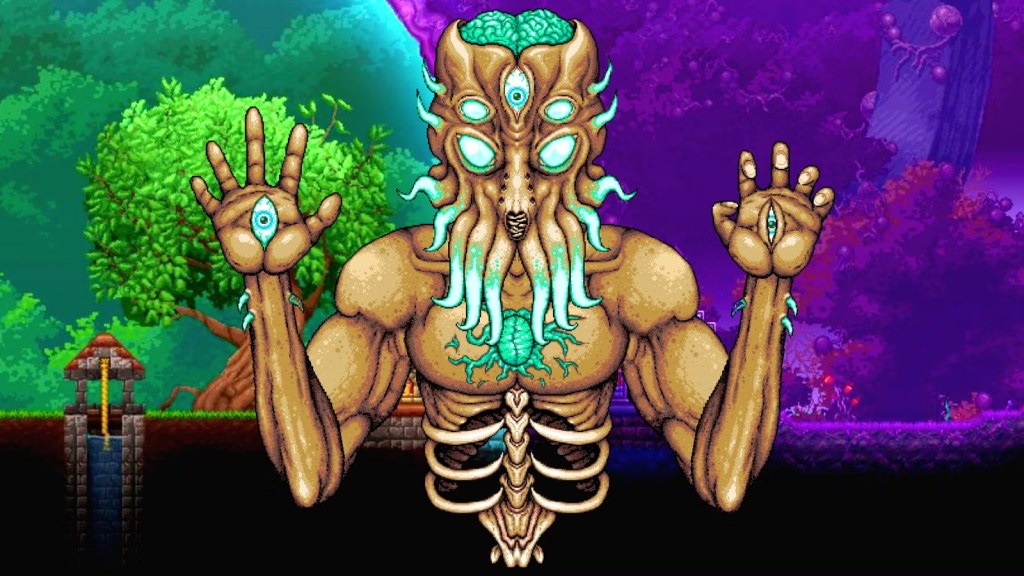
One of the most exciting aspects of Terraria mods is the addition of entirely new worlds and biomes. While the original game already includes a variety of environments, mods introduce areas like crystal caverns, abyssal depths, or even alien landscapes. These new biomes often come with their own enemies, music, and resources, making exploration feel fresh again even for experienced players. Instead of knowing what lies beneath every layer of the world, players are once again faced with mystery and danger.

Another major feature of many mods is the addition of new bosses. Terraria is well known for its challenging boss fights, and mods expand this aspect dramatically. Some mods introduce dozens of new bosses, each with unique attack patterns, designs, and strategies. These encounters often require new gear, better preparation, and quick reflexes, pushing players to improve their skills. In many cases, modded bosses are more complex than those in the base game, featuring multiple phases and visually impressive attacks that fill the screen.

Weapons and items are also heavily expanded in modded Terraria. Mods add hundreds—sometimes thousands—of new tools, armor sets, accessories, and crafting materials. This greatly increases the number of possible playstyles. Players can specialize in new classes or hybrid builds, combining different abilities to create something unique. Some mods even introduce entirely new combat systems or mechanics, such as energy-based weapons, advanced magic systems, or summoning styles that go far beyond the original game’s design.

Quality-of-life improvements are another important part of the modding scene. While large content mods often get the most attention, smaller mods can make a huge difference in how the game feels to play. These additions might include better inventory management, faster crafting systems, improved map features, or helpful UI changes. While they may not be as flashy as new bosses or weapons, they make the overall experience smoother and more enjoyable, especially during long playthroughs.

Multiplayer is also enhanced through modding. Playing with friends becomes even more dynamic when everyone has access to new abilities, challenges, and content. Teams can coordinate strategies for difficult bosses, divide roles based on new classes, and explore expanded worlds together. The unpredictability of modded content often leads to memorable moments, whether it’s barely surviving a chaotic boss fight or discovering a hidden area no one expected.

One of the most well-known aspects of tModLoader is how it allows different mods to work together. Players can mix and match mods to create a customized experience tailored to their preferences. For example, someone might combine a large content mod with several quality-of-life mods and a few cosmetic changes. This flexibility means no two modded playthroughs are exactly the same, giving the game incredible replay value.

However, modding also introduces new challenges. Balancing multiple mods can be tricky, as some additions may conflict with others or make the game too easy or too difficult. Performance can also be affected if too many large mods are installed at once. Despite these issues, the community surrounding Terraria mods is very active, often providing updates, fixes, and support to keep everything running smoothly.

In the end, tModLoader and Terraria mods represent the creativity of both the developers and the player community. They show how a game can continue to grow and evolve long after its original release. Whether someone is looking for a small improvement or a completely new experience, modded Terraria offers something for everyone, turning an already beloved game into a constantly changing world of endless possibilities.

ALSO TRY TERRARIA

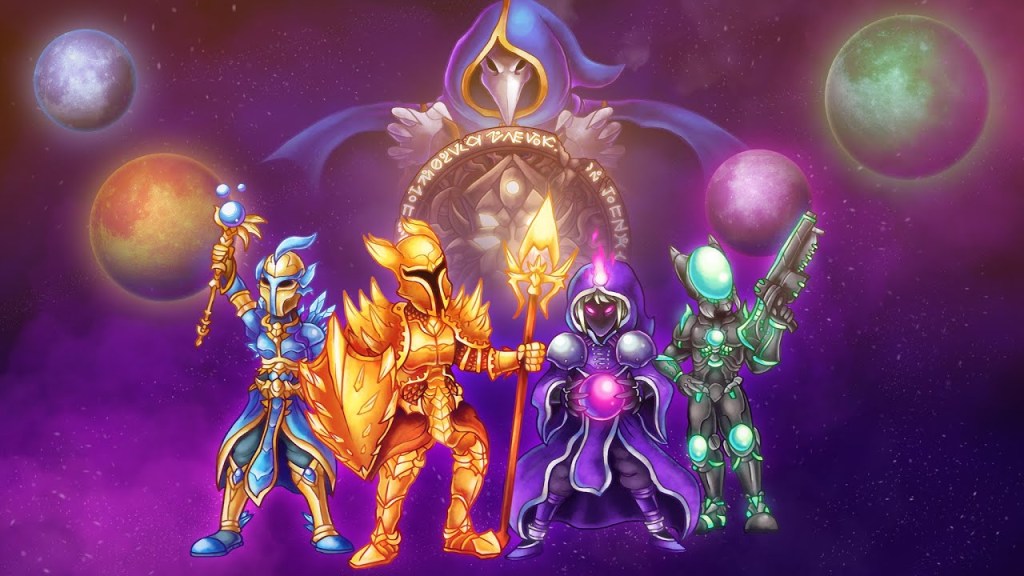
Terraria is a colorful and creative 2D sandbox game developed by Re-Logic that has captured the attention of players around the world since its release in 2011. At its core, the game is about exploration, creativity, and adventure, all wrapped together in a vibrant pixel-art style. While it may look simple at first glance, Terraria offers a deep and rewarding experience that continues to grow as players spend more time in its world. From the moment a new world is generated, players are placed into a lively environment full of possibilities, where every tree, cave, and mountain can be explored and transformed.

The world of Terraria is filled with a wide range of colorful biomes, each with its own unique look and challenges. Players might begin in a peaceful forest with bright green trees and open skies, but as they travel farther, they can discover glowing underground caves filled with sparkling crystals, deserts with shifting sands, or even dangerous corrupted lands with dark purple tones and eerie enemies. These environments are not only visually interesting but also important for gameplay, as each biome contains different materials and resources. Exploring these areas encourages curiosity and rewards players with new crafting opportunities, making every journey feel exciting and worthwhile.

Building and crafting are some of the most important parts of the game, allowing players to shape the world around them. Using materials gathered from the environment, such as wood, stone, and ores, players can create tools, weapons, and structures. Some may choose to build small, cozy houses, while others might design large castles or detailed underground bases. The game also includes non-playable characters, known as NPCs, who can move into player-built homes and offer helpful items or services. This adds another layer of creativity and purpose to building, as players are encouraged to design functional and attractive spaces for their growing community.

In addition to its creative elements, Terraria is also known for its action and combat. As players progress, they encounter a variety of enemies that become more challenging over time. The game features many powerful bosses, each with unique attack patterns and abilities that require careful planning and strategy to defeat. These battles are often intense and rewarding, as defeating a boss unlocks new items, abilities, and areas to explore. This balance between creativity and challenge keeps the gameplay engaging and ensures that there is always something new to work toward.

Another reason Terraria remains popular is its ability to appeal to different types of players. Beginners can enjoy simple exploration and building at their own pace, while more experienced players can focus on mastering combat, collecting rare items, or completing difficult challenges. The game also supports multiplayer, allowing friends to work together, build shared worlds, and take on tough enemies as a team. Over the years, updates from Re-Logic have added even more content, expanding the game and keeping it fresh for both new and returning players.

Overall, Terraria stands out as a game that combines creativity, exploration, and action into one colorful and exciting experience. Its detailed world, filled with different environments and endless possibilities, allows players to express themselves while also challenging their skills. Whether someone is building their dream home, exploring deep underground caves, or battling powerful bosses, the game offers a sense of adventure that is both fun and memorable. This combination of features has helped Terraria remain a beloved title in the gaming world, proving that even a simple-looking game can provide a rich and lasting experience.

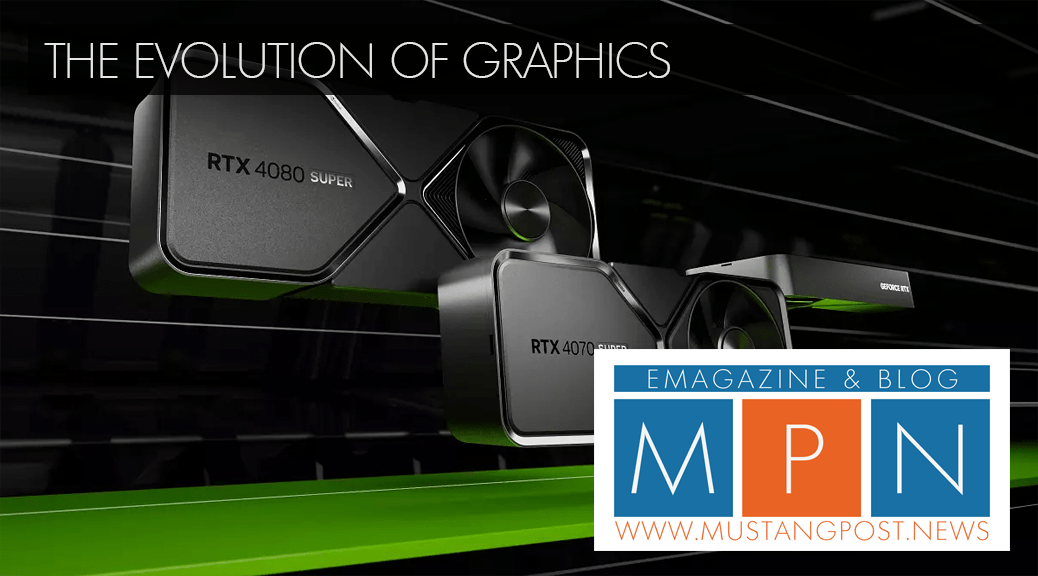
The Evolution of Graphics

By: Emmitt Miller

Computer graphics have changed enormously since the earliest days of computing. What started as simple dots and lines on primitive screens has grown into detailed digital worlds that can look almost identical to real life. Today, graphics power video games, animated films, virtual reality, architecture visualizations, and even medical research. The evolution of graphics is closely tied to the growth of computing power and human creativity. As computers became faster and more capable, artists, programmers, and engineers found new ways to turn raw processing power into images that are more immersive, realistic, and expressive.

The first computer graphics appeared in the mid-20th century when computers were enormous machines used mainly by scientists and universities. Early displays were extremely limited and could only show basic shapes or lines on a monochrome screen. One major milestone was the program Sketchpad, created in 1962 by computer scientist Ivan Sutherland. Sketchpad allowed users to draw shapes directly on a screen using a light pen, which was revolutionary at the time. Instead of simply printing numbers or text, computers could now display interactive visuals. In those early years, many systems used vector graphics, where lines were drawn between specific points rather than forming images from pixels. While simple by modern standards, these systems introduced the idea that computers could be used as visual tools rather than just calculating machines.

As technology improved during the 1970s and 1980s, raster graphics began replacing vector displays. Raster graphics use a grid of tiny pixels to build images, which allowed for more complex visuals and color displays. This change helped launch the early video game industry and made graphics accessible to everyday computer users. Early arcade games showed how engaging even simple visuals could be. Players controlled paddles, spaceships, or characters made of only a few shapes, yet the games felt exciting and interactive. Home computers soon followed, bringing colorful graphics into people’s homes. Although the resolution and color palettes were very limited, these systems introduced sprites, scrolling backgrounds, and basic animations that made digital worlds feel alive.

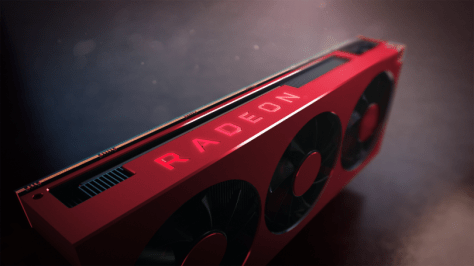
The 1990s marked one of the most important turning points in graphics history with the rise of real-time 3D graphics. Instead of flat images, developers began building environments using polygons that formed three-dimensional objects. Games became more immersive as players could explore spaces that appeared to have depth and perspective. At the same time, specialized graphics hardware began appearing in personal computers. These graphics processing units, or GPUs, were designed specifically to handle the complex math needed to render images quickly. Companies such as NVIDIA and ATI helped push this technology forward, making it possible for home computers to display smoother animations, detailed textures, and more complex lighting effects. For the first time, digital environments started to feel like believable spaces rather than simple pictures on a screen.

During the 2000s and 2010s, graphics technology advanced at an incredible pace. GPUs became extremely powerful, allowing developers to simulate realistic lighting, shadows, reflections, and physical effects. Techniques such as shader programming and high dynamic range lighting made digital scenes richer and more detailed. Computer graphics also expanded far beyond video games. The film industry began using advanced computer-generated imagery to create entire characters and environments that blended seamlessly with live action. Architects used rendering software to visualize buildings before construction, while scientists used graphics to explore complex data and simulations.

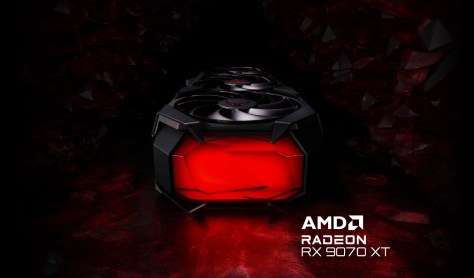
One of the most exciting recent developments has been the introduction of real-time ray tracing. Ray tracing simulates how light behaves in the real world, calculating how rays bounce off surfaces, pass through glass, and reflect in mirrors. In the past, this technique required enormous computing power and could take hours to render a single image. Today, modern graphics cards can perform these calculations instantly, creating reflections and lighting that look far more natural and realistic than older techniques.

Looking toward the future, graphics technology will likely continue evolving in surprising ways. Artificial intelligence is already starting to assist in creating images, textures, and animations. AI tools can upscale lower-resolution graphics, fill in missing details, and even generate entire environments. Another major area of development is virtual reality and augmented reality, which aim to place users directly inside digital worlds.These technologies require extremely fast and realistic graphics to feel convincing, pushing hardware and software to new limits.

Researchers are also exploring new approaches such as neural rendering, where machine learning models help generate images instead of traditional rendering pipelines. This could dramatically reduce the computing power needed to create realistic scenes. Combined with advances in cloud computing and future hardware, these technologies could allow massive shared virtual environments or simulations that are far more detailed than anything possible today.

From the earliest glowing lines on a black screen to the breathtaking digital worlds we see today, the evolution of computer graphics has been driven by curiosity, creativity, and technological progress. Each new breakthrough has expanded what artists and developers can create, turning computers into powerful tools for storytelling and exploration. As new technologies continue to develop, the graphics of the future will likely become even more immersive, intelligent, and visually stunning than we can currently imagine.