Without memories, what do we have left? How do we fill our life with meaning?
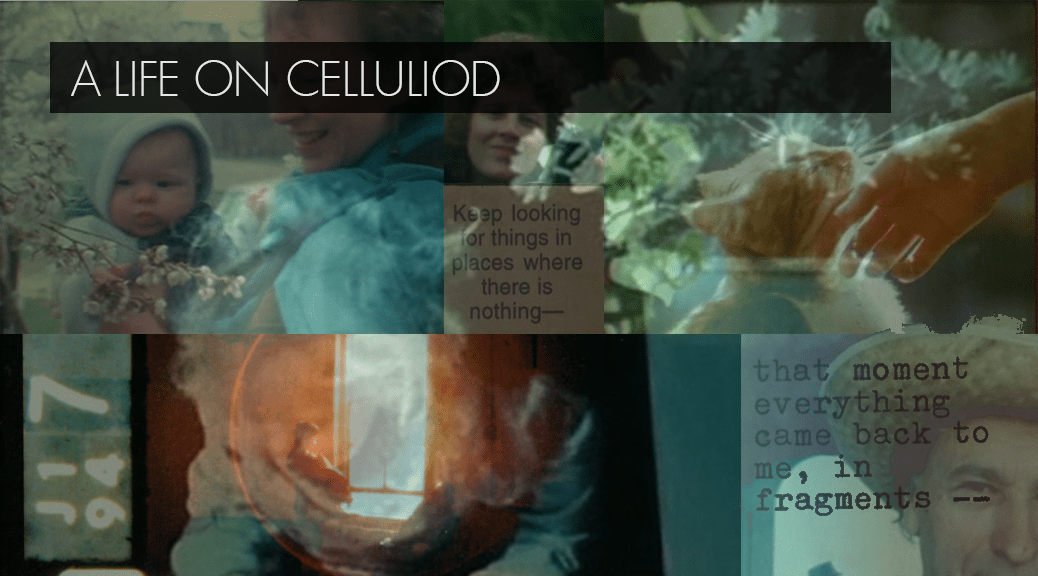
As a stream of seemingly unimportant home video clippings flood through the screen, Jonas Mekas contemplates these very questions, intercutting scenes with splices of poetry and thoughts in his massive four hour, forty-eight-minute masterpiece: As I Was Moving Ahead I Occasionally Saw Brief Glimpses of Beauty, where the audience is taken on a journey through the pages of a man’s life.
It is a film without plot or structure, and seemingly without any importance, but it is the substance within these small moments in montage, that when all together, create an undeniable representation of the human condition.
This memoir is less structured like a documentary but more like music or poetry. Unlike a book, the film expresses memory through words, music, and narration. Intertitles and images combine not just to describe memory but to share it. You see the world with wonder and weariness through the eyes of Jonas Mekas.
In short, to ask, What is the meaning of this film? Is to ask, what is the meaning of life.
Leaving Lithuania, he became imprisoned in a German labor camp with his brother, and after escaping they went into hiding in a farm near the Danish border.
When the second World War ended, he moved to the United States, bought a camera, and started shooting documentary movies.
Today he is known as the godfather of American avant-garde cinema.
In 1961, he and twenty-one other independent mostly experimental filmmakers including Andy Warhol founded The Filmmakers Cooperative, a non-profit distribution center for a new age of avant-garde film.
He soon became one of the most influential names of the New Cinema Movement creating inventive and unique documentary films including Reminiscences of a Journey to Lithuania (1972) and He Stands in the Desert Counting the Seconds of his Life (1987).
Brief Glimpses of Beauty came out in 2000 and is a culmination of his style.
I’ve had some trepidations about writing an article on this film because it’s so massive, yet understated and most importantly, unconventional.
It’s a rare opportunity for an audience to see a person’s life on film, comparable to Gordon Parks’ Moments Without Proper Names, but not parallel in sheer length and substance.
As a reoccurring intertitle reads: Nothing happens in this film. Later corrected with: Everything happens in this film.
As I Was Moving Ahead Occasionally I Saw Brief Glimpses of Beauty is an optimistic film about life, but also a weary film, made by a man aware of his mortality, reflecting on scraps of memory, coming to terms with age, the past and dying.
Jonas Mekas says it best, in the opening words of the film, “I have never been able, really to figure out where my life begins and where it ends. . . There is some kind of order in it—order of its own, which I do not really understand, same as I never understood life around me. The real life, as they say, or the real people, I never understood them. I still do not understand them, and I do not really want to understand them.”
SOUND: THEME SONG FADE IN TO FULL THEN FADE TO LOW
Welcome back, everyone. From Mustang Post News, West Fargo, this is Sheyenne Perspectives. I’m Hailey Boehme.
SOUND: THEME SONG FULL
SOUND: THEME SONG INCREASE (5 to 10 seconds)
HAILEY BOEME Hey everyone! It’s your host, Hailey Boehme, and I’m here to welcome you back to another episode of Sheyenne Perspectives from Mustang Post News.
In our last episode of Sheyenne Perspectives, Jaxson Miller delved into the human desire to create and share those creations.
This week Carter Phillips continues our series by taking a look at Sheyenne High School’s theatre department, creativity and where it comes from.
CARTER PHILLIPS
MARLYNE LALIBERTE
My name is Marlyne Laliberte and I am the theatre director of Sheyenne high school and I’m also the senior English teacher for composition and literature.
CARTER PHILLIPS
MARYLNE LALIBERTE
Everything that was invented was created by an artist. You have to create to evolve, so what I mean by that is, even the person-
If you created and car, if you created the wheel, if you created a chair, if you created the computer heh! –
No matter what it is, it’s all created by an artist. Artists think outside the box.
MARYLYNE LALIBERTE
First, I think it’s the desire. All desire comes from the soul, comes from the heart. Sometimes that’s our only motivation, is that we need to. We need to create. Express ourselves. I guess it’s a form of expression. Yeah. So, first it’s a desire and need to express and need to improve; make yourself better somehow; get your ideas out.
MARYLINE LALIBERTE
You need to trust. So, for me as a teacher, you have to be comfortable in your environment. You have to trust the people that are around you, because you’ll close up. You won’t do anything. You won’t let yourself go, and see that you can trust others around you, you will bloom, and you will want to create even more.
CARTER PHILLIPS
And the most important question of all. Where does creativity come from?
MARYLINE LALIBERTE
know I teach so many seniors and I ask them with a profile of a graduate- What we do here. So, you can graduate. And one page is called creativity and I have a handful of students- More than a handful, of students who [say,] “I won’t create. I don’t know how to create. I haven’t created.” So, I have to really talk to them about what creativity really means.
Some people, you know, I really believe it’s- Your born with the desire to create. And whether it’s the right side of your brain or the left, I’m not sure, but maybe it’s your soul or your heart.
You know, my reason how I want to create and how my theatre students want to create is, they have- they love it. They love expressing themselves and it’s fun.
CARTER PHILLIPS
This podcast was recorded and edited by Logan Jacobs and hosted by Hailey Boehme. Sheyenne Perspectives theme music was composed and performed by Kolby Thompson under the direction of Mark Berntson. A special thanks goes out to Anthony Peterson.
HAILEY BOEME
SOUND: FADE IN (THEME SONG)
This podcast was recorded and edited by Carter Phillips and hosted by Hailey Boehme. Sheyenne Perspectives theme music was composed and performed by Kolby Thompson under the direction of Mark Berntson (BURNT-son). Thank you Marylin LaLiberte for your insight and time contributing to this episode.
SOUND: FADE IN–DUCKING (THEME SONG)
Next week Dairell Alvarico will wrap up this school year’s Sheyenne Perspectives podcast series with her focus on a chance for change through the personal experiences of new student immigrants, their personal struggles, and their joys.
EPISODE THREE: CREATIVES IN CINEMA By Carter M. Phillips
Official Transcript:
SOUND: THEME SONG FADE IN TO FULL THEN FADE TO LOW
Welcome back, everyone. From Mustang Post News, West Fargo, this is Sheyenne Perspectives. I’m Hailey Boehme.
SOUND: THEME SONG FULL
You know, sometimes things just don’t turn out the way you expected. Snow days. Illnesses. Absences. And general bad luck. But! We’re back on track with our latest podcast.
In our last episode of Sheyenne Perspectives, Logan Jacobs reflected on success in the music industry.
SOUND: THEME SONG FADE
This week Carter Phillips continues our series through the lens of creativity and why people are driven to use it both the stage and behind the camera. Here’s Carter.
SOUND: THEME SONG INCREASE (5 to 10 seconds)
CARTER M. PHILLIPS
What will last after we are gone? Art and brick might be the only things in this world that outlive us. And can the inhuman read without a Rosetta stone, or admire music without understanding the words? They can see images, and people, alive, in movement.
Cinema is immortal, and perhaps that is why it fascinates me. It creates the illusion of time incomplete, and frozen.
No other form of art can better show what it is like to be human, to show you a soul in a human face and to show a heart in a hand.
Maybe that is why, regardless of failing, I keep making movies. Regardless of the stress, pain, and disappointment, I never plan on stopping.
To surrender to conventional and hardships would be to let my friends down, who help me make my movies.
These are the words of my friends, who made movies.
GAVIN VILLAREAL (Gav-in Vil-are-Eel)
I was there and Aiden was there and Tuker was there, we were all getting ready to film and all that stuff and we had to do this scene where we had to poor blood on Carters face, but like the blood was, what was it? Like cool aid mix-
AIDEN VILLAREAL
It was crystal light Gavin
GAVIN VILLAREAL
-or some stuff like that, but it stained my shirt permanently but whatever.
AIDEN VILLAREAL
Crystal light. Oh, it was Crystal light Gavin.
GAVIN VILLAREAL
Crystal Light, I can’t even remember.
CARTER PHILLIPS
Yeah, it was crystal light. It was the Fruit punch flavor.
GAVIN VILLARAEL
Yeah, so we had to do that. And we had to poor it on your face. And yeah, it ended up getting in your eye. It was- HA HA
GAVIN VILLAREAL
Hello, my name is Gavin Villareal and I’m a junior in high school and I go to Wahpeton High School in Wahpeton North Dakota.
GAVIN VILLAREAL
[They] Came from the Attic, that was an amazing film, I loved to work on. That was amazing, that was fun. I mean of course I didn’t get as much to work on with that, but you know, still fun to make, nevertheless. Um and then, ah Sometime after Midnight.
CARTER PHILLIPS
As started the conversation our topic, swayed into the trials and errors of filmmaking. He just, quite simply started talking about his experiences on a set and things he’s seen me go through and things he’s seen some of his other cast and crew members go through.
GAVIN VILLAREAL
I mean I’m not really a director myself, but I do new- I do know thing or two about it, so you know, I know the trouble it is to like, you know, shoot and film and ‘do it again, do it again’ you know. That’s a big trouble when it comes to creating.
CARTER PHILLIPS
Gavin started talking about what makes a person creative whether its through being influenced on something or perhaps a spark that ignites in your mind and I began questioning him on if it was better or worse to be influenced by something or if it was better or worse to come up with it on your own.
GAVIN VILLAREAL
I think what makes a person creative is when are um- they have a unique idea that isn’t too similar to others. Like I know how people get they’re creativity. Sometimes they get it from other people, but you know, I feel like being really, like really creative would be having your own main idea when it comes down to like, I guess you could say movies and shows and stuff like that you know.
GAVIN VILLAREAL
I feel like some people when they make like, I guess you could say, short stories or things like that, I feel like there’s people who make it just so they can get popular or people that actually put time and effort into it and therefore [are] making, you know, creative stories.
CARTER PHILLIPS
He started talking about the advantages that occur when you’re working with friends instead of colleagues apposed to friends, or rather when your colleagues are your friends; and the atmosphere that brings apposed to an entirely professional one.
GAVIN VILLAREAL
Even when you’re shooting and like, uh, just hanging out, your still like having a good time. Your still like hanging out but like, doing something and usually when you’re doing that something your more serious but like we also have a good time we also laugh, you know, all that fun stuff.
GAVIN VILLAREAL
For us, it makes it better cause we know each other, and you know, it’s easier to act for like different things and stuff like that. We know each other’s like, I guess, set of emotions and all that so, uh I guess, it’s easier for us to have a role that you know [that we would] best [be] played in.
GAVIN VILLAREAL
An average scene? Well, when we’re not messing around uh, probably get like an average scene done in like a half hour if we’re lucky enough.
CARTER PHIILLIPS
Those roles need a beginning, an inception. And that’s where the role of the creative begins. The beginning of creation. That initial idea that leads to shared art.
As my microphone waited for me to speak, I looked down at my hands and saw they’re cracked and weary skin with strayed strands of winkles unfit for a boy of 17, and at the mirror saw my eyes somber and meaningless, declaring emptiness with they’re soundless piercing look, staring at me. What do they long for? What does anybody long for?
I can’t go on living without goals and motivation, without feeling like I’m doing something worthwhile. WE can’t live like this. As humans we desire art. To experience it? To make it? Are they not one in the same?
A person closes their eyes and dreams and is that not art of its own. Maybe the best movie is the one happening outside your window, with gains and losses and good and bad. Art is a mere reflection, refracting images into a vague contraption of mirrors inside our minds. Where do these ideas come from? Where do we come from? How does art confront this?
If it got an audience in the first place, who loved it and cherished it, is that not good enough? For a person to give something to the world instead of take something, to make a film belong to humanity itself, to be construed, loved, hated, believed in, subjectifies and objectified. They are like people, alive and received, but more so they are like my memories and remain linked with the eras in which I made them, a trophy for my work.
This podcast was recorded and edited by Logan Jacobs and hosted by Hailey Boehme. Sheyenne Perspectives theme music was composed and performed by Kolby Thompson under the direction of Mark Berntson. Special thanks goes out to Anthony Peterson.
HAILEY BOEME In our next release of Sheyenne Perspectives, Jaxson Miller be taking a look at wins and losses and the highs and lows of those moments especially when those wins and losses are unexpected.
Great prestige is given to cinema. Frequently considered the hardest profession to get into, multimillion dollar industries have you in they’re scheme. They want you to climb a collapsed ladder and spend all your money hopelessly waiting to be discovered.
Stanley Kubrick is a filmmaker. I am a filmmaker. You can be too. Wealth and class do not matter
If you want to be a filmmaker start by getting a camera and shooting. I don’t care what you shoot, just shoot something. It is my recommendation that you begin with documentary, as not to worry about working with (most likely non-professional) actors and the mind games that goes along with it.
Ben Cooper in unfinished improvised film circa 2021
I’ve already suggested what could make a great movie. Now I will suggest HOW to make a movie and how to do it with little to no money.
On May 11th, 2022, I publicly released my movie They Came from the Attic, to almost entirely positive feedback.
Making the movie was one of the hardest challenges of my life, the most challenging being my current project The Lost Memories of Slumber but I am not discouraged.
I am proud, not because I think that the movie is great, but because it is significantly better than what I and everyone else was expecting. Me and my friends made a nearly feature length movie at the age of 15 and 16.
A shot from They Came from the Attic: The Revised Cut (2022)
I am not completely apposed to film school, but I’ve seen a lot of student films and thought, “It didn’t do them any good.”
This is to explain that it’s hard to teach art, because its rules are invented within you.
Don’t seek approval from other people for you will never be satisfied. Take criticism but don’t let it discourage you. Let it help you get better.
I’ll mention practical mistakes that can be avoided as well as general advice I want to give.
The type of camera you use doesn’t have to be expensive, as long as it is not getting in the way of your camerawork. If the quality is low, then have the films tone become a good fit for it.
Black and white is a good place to start. It looks nice, feels dreamy, and is easier to shoot well.
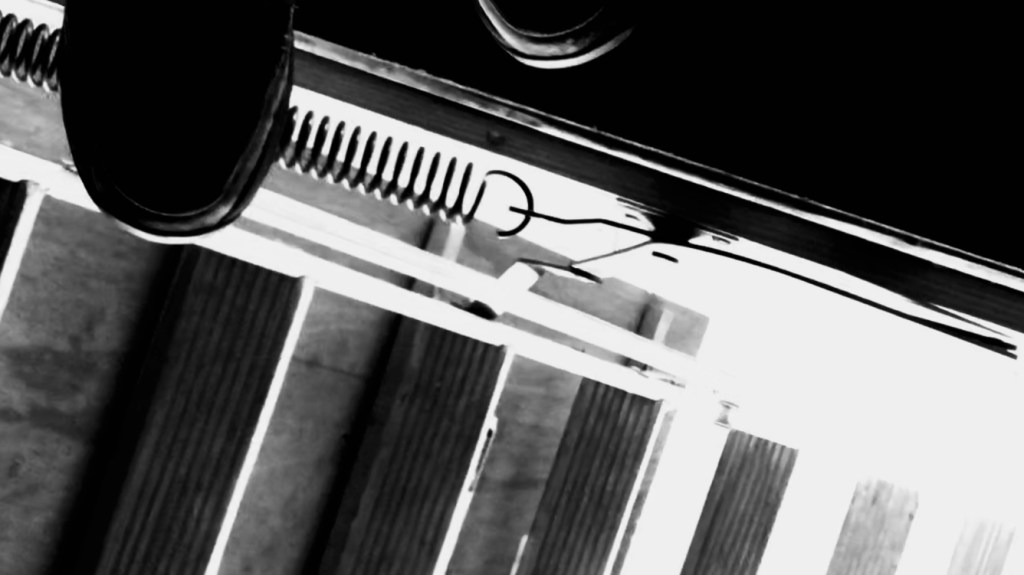
A shot from my short film Dread in the Night (2021), taken by an iPad
It took me until my fourth film project to begin working with full color. If you do make films in color, I’d suggest that you make an emphasis on them. Make them look pleasing, not dull. If it feels right, use gels over your lights.
It is a myth that you need massive and expensive lighting equipment to make good cinematography. A great cinematographer can paint a shot with bare necessities. If you have no lights to use, shoot near a window just be weary of continuity.
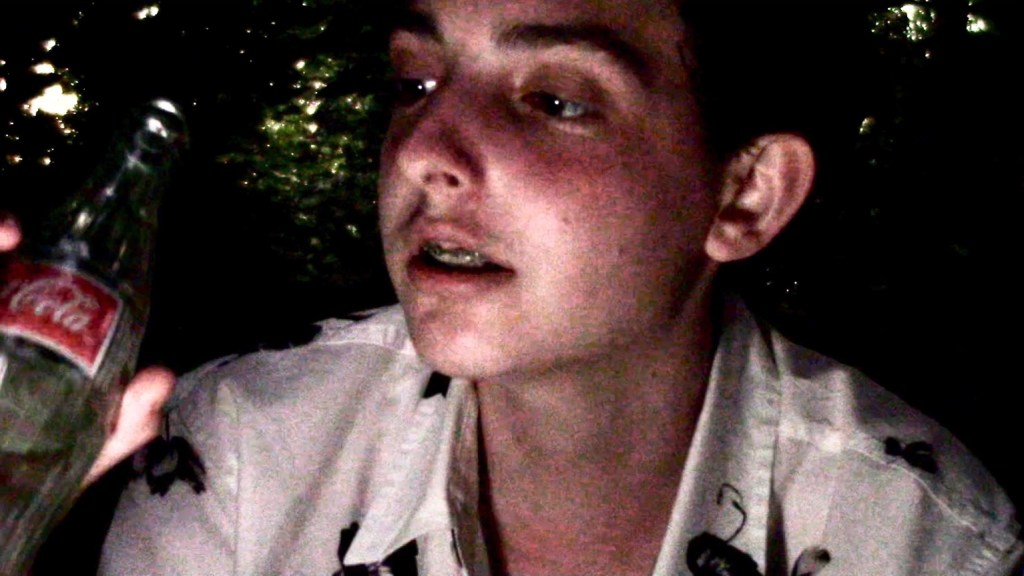
Gavin Villareal in shot from my current project The Lost Memories of Slumber (2023)
I’ve shot many scenes without having to use more than a lamp, two flashlights, ceiling lights and a strong but small LED light.
I’d recommend using a trick by Akira Kurosawa which was invented in his production: Rashomon. A mirror can amplify and reposition light.
Repositioning your light source is where the fun begins. Changing the angles of where your light(s) are coming from can make a more pleasing image, but more importantly, can change the tone of the shot.
Keep in mind that setting up lighting cannot take hours per shot. I take about an hour to shoot each scene, two occasionally for location shooting. Pillow, effect shots and most inserts can be shot afterwards. Depending on the mood you want, no artificial lighting is needed for exteriors.
Shooting at night outside is difficult for a beginner, I’d suggest shooting day for night or shooting in the evening because to shoot something, you need a light source.
If you do a day for night shot, make sure shadows aren’t distracting. Do as little effects in post as possible but remember to color grade your film. I color grade each shot, sometimes each take individually to ensure that it looks as good as possible.
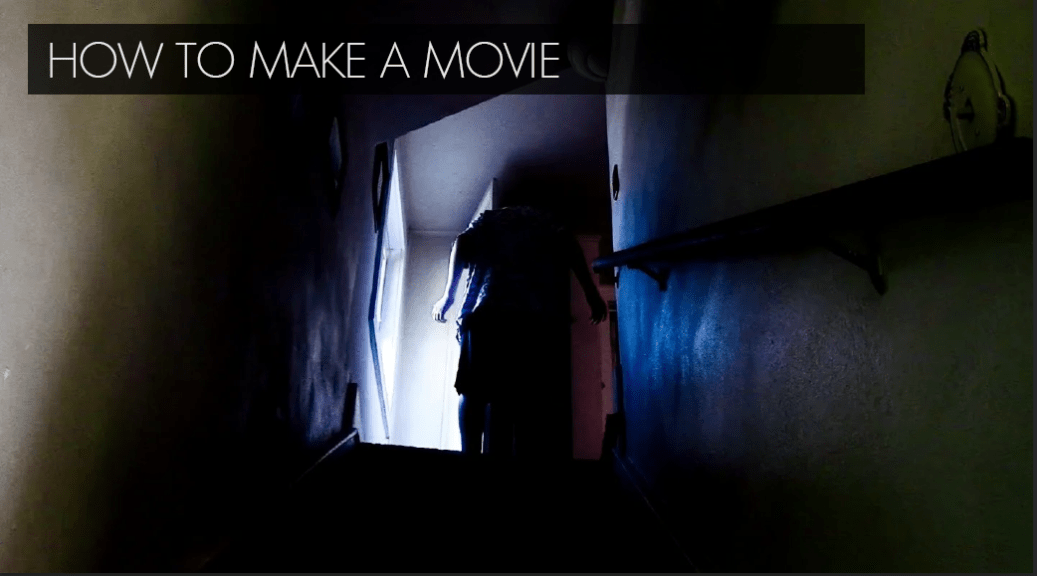
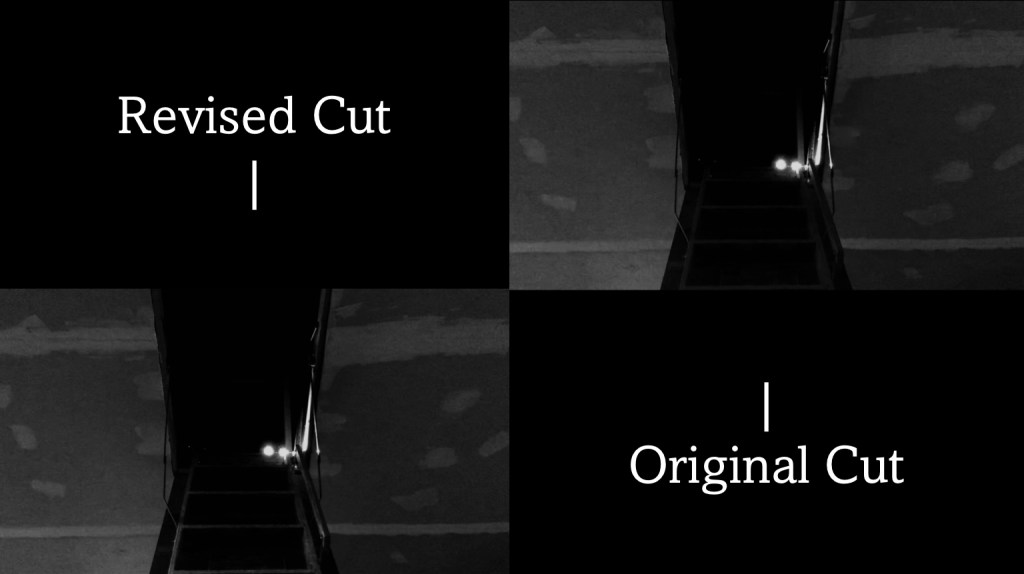
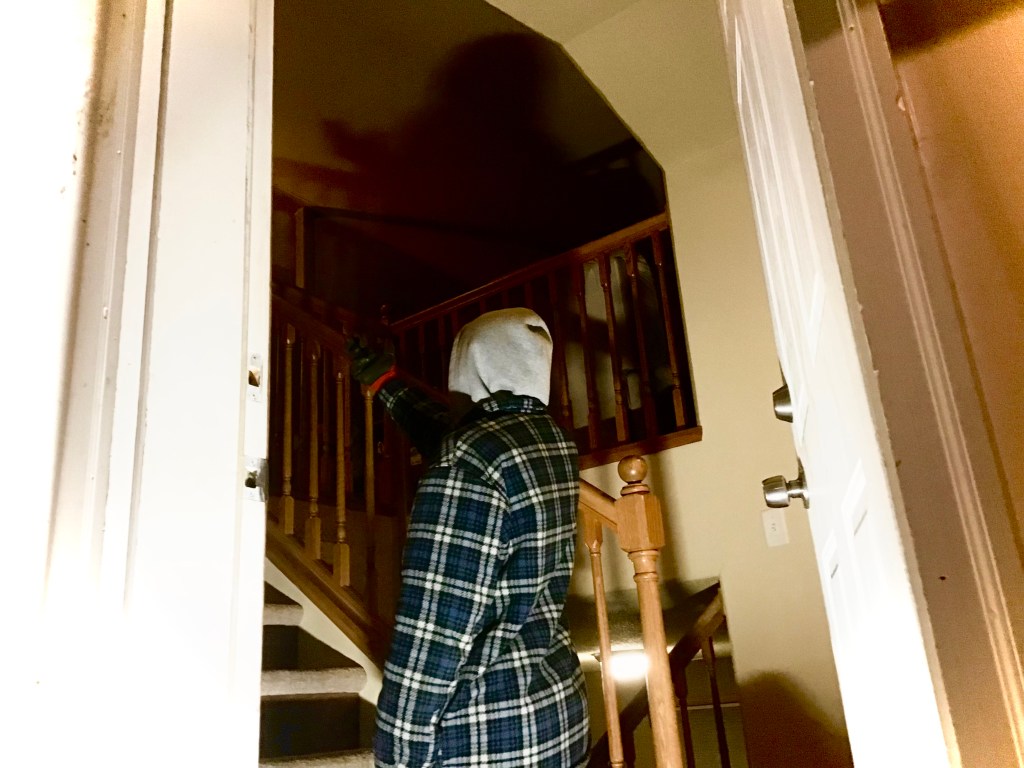
A They Came from the Attic comparison, the Revised Cut has an optical effect imbedded into it as to make the stairs more visible and different color timing.
It is a myth that you need a budget to make a good movie. You need very little to make a good film.
Write scripts that don’t require money. Make a movie about the world your given before you make one about a world you’ve created.
If you can’t afford a tripod then balance your camera on books, chairs and stools. One shot in They Came from the Attic used a tripod.
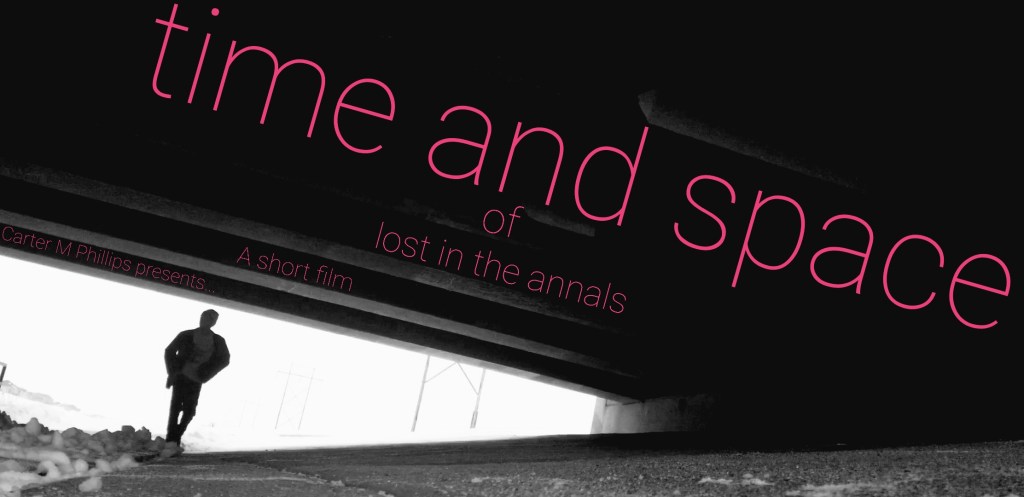
A shot from Eresomim: A Short Film Lost in the Annals of Time and Space which used no tripod, instead the camera leaned against the wall
Under almost all circumstances, you need nice microphones.
Rely on yourself. If you ask your friends if they want to be in your movie they will probably say yes. If you want, they’re help, they will abandon you. In middle school I could never get passed pre-production because none of my friends were reliable.
Just before writing this article, I had to talk to a crew member because he was unable to shoot one second unit shot for the movie. He had been procrastinating for weeks and finally told me that he didn’t have time to get it done and that he misunderstood what I wanted.
Regardless of if he was lying, I made sure he knew I was disappointed, but I didn’t get mad, even though I wanted to. Loosing your temper is a reckless way to direct. I now know what jobs I can give him that I can expect him to achieve. I if got mad, he would have viewed me as an angry boss, not a friend.
A frame from The Lost Memories of Slumber (2023)
In moviemaking, it is my belief that a director should see all cast and crew as equal. He should take all of their good ideas and all of his good ideas and filter them together into one vision.
That does not mean he should rely on them. Pouting about not getting all the help you want is childish. A new director should be happy to get any help. His early films are most likely trash anyways, just as my current films often leave me unsatisfied.
If you watch a rough cut of your film and hate it, then learn from your mistakes. Ask people what you did wrong. You don’t need advice from critics, you can also get it from regular people, for it is them who you are making it for.
It is a lie that you are making a film for yourself. Everybody wants recognition. You are making a film for the world, to be eternal through you.
Don’t try to please everybody. We are too diverse a people for that. Pick a demographic and start shooting. If the film has a heart, you are in the right direction.
There will never be enough words to teach filmmaking. You can always learn more. There is always a new level of greatness a film can ascend to.
“You’re funny. You don’t talk like a kid. You sound like a man who’s run out of his days, who understands everything,” Spoke Odile into a portrait of existence.
Right now, this script is just a blank canvas, waiting to be caught between light and movement.
A voice will call out, the aperture will shrink and white will evaporate into a rainbow spectrum of shades.
I typed rapidly but with thought.
That was Odile, an intelligent girl who’s stuck between tragedies, and however hard she tries, is unable to prevent the next.
Odile doesn’t exist. I made her up.
She’s just a concept. But through cinema, her illusion will become complete.
As I write this screenplay, I constantly wonder what the right step is. No matter how much technique and experience is applied, a film is nothing without its audience.
I constantly wonder what makes a good movie.
Having seen many of the great acclaimed movies from new Hollywood, classic Hollywood, and international cinema, I should understand what makes a great film, but that’s not the case. Capturing true greatness is elusive like lightning in a bottle.
“Find a role that nobody wants to do and do it better than anybody else,” The great silent actor Lon Chaney had said to William Henry Pratt; stage name: Boris Karloff.
He was talking about acting, but it’s advice that works for any field of art. Greatness lies in innovation and individuality.
All of the great directors I have mentioned have distinctive styles. Alfred Hitchcock and Dario Argento have similar styles; however, they are different.
Citizen Kane is a film that was on a different spectrum than any other being made in 1941 because it didn’t adhere to the rules of the game. That movie also has a heart.
Its emotional complexity changes each time you enter a new stage of life, making it fresh in an everlasting way.
“We believe lie more than truth,” Romero says as I type his dialogue, fooling myself into thinking I’m an intellectual.
It really doesn’t matter though; the words serve no meaning.
They flavor a film but what matters is the visuals. A story should be told by them.
The point of cinema is that you see it, so although sound design is important, it should not overshadow what appears on the screen. Greatness lies in the world of a film, which would bind life with wisdom and feeling.
In the way that Bob Dylan spells out a human soul with structured rhymes and that John Steinbeck wrote little American stories with thought on print, a great filmmaker must learn to do with visuals.
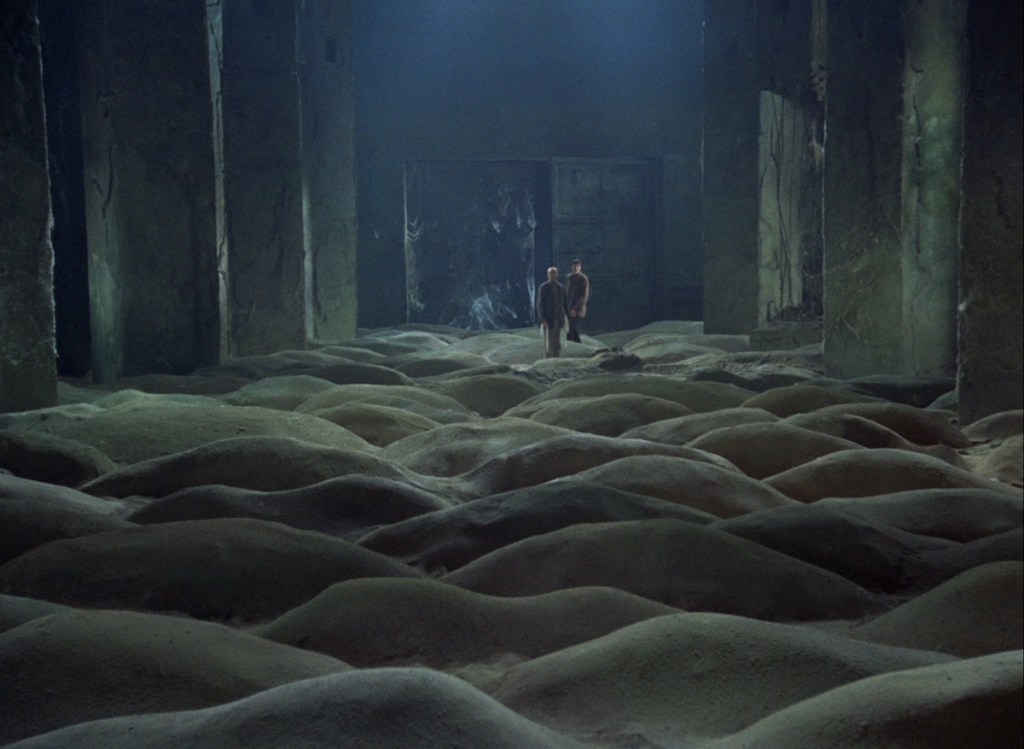
Stalker (1979)
“There’s a way that the force of disappointment can be alchemized into something that will paradoxically renew you,” Martin Scorsese said that.
“If a picture is worth a thousand words, then cinema must be worth a million,” I said that.
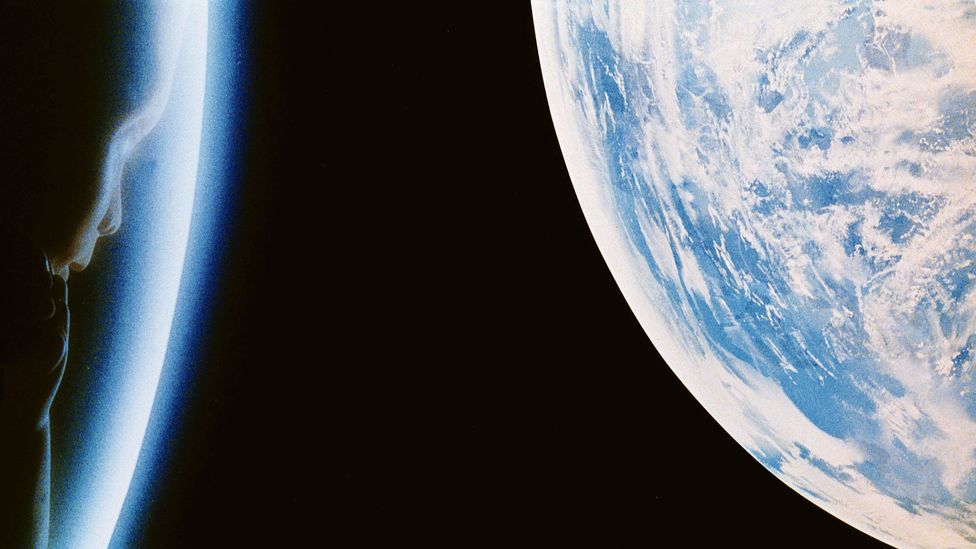
From Back to the Future to Blade Runner, all films about people are in some way about the human condition. It is considerably harder to make a great film with dull characters. Even in Kubrick’s 2001: A Space Odyssey, a film known for hypnotic visuals and lacking character development, Hal-1,000 is a notably interesting character which questions the conscience experience and ethics.
2001: A Space Odyssey (1968)
Very few films rely on blank characters, who’s function is not for the audience to relate to them.
The gangster film is worthwhile for understanding how to make an audience root for a character.
Take either the 1932 or 1983 versions of Scarface and consider why people root for these characters even after they do terrible things. Firstly, they are living life on the ritz, they have what we want.
More importantly, they came from a damned world, and so violence feels justified, especially when it comes from a double-crossing bad guy or unnamed gunman.
When a gangster feels remorse, it gives us more reason to like them. Scarface is a character with a moral code throughout most of both films which gives him humanity.
There comes a point in both films when greed overtakes Scarface and he no longer earns sympathy however, like in Vertigo, the first two Godfather films and Citizen Kane, he is still interesting and so the audience remains captivated by the film.
When writing characters, I always put a little bit of myself in them because if part of them is genuine then they will feel believable.
Drama has to do with conflict and conflict is spurred by two things: Emotion and intelligence.
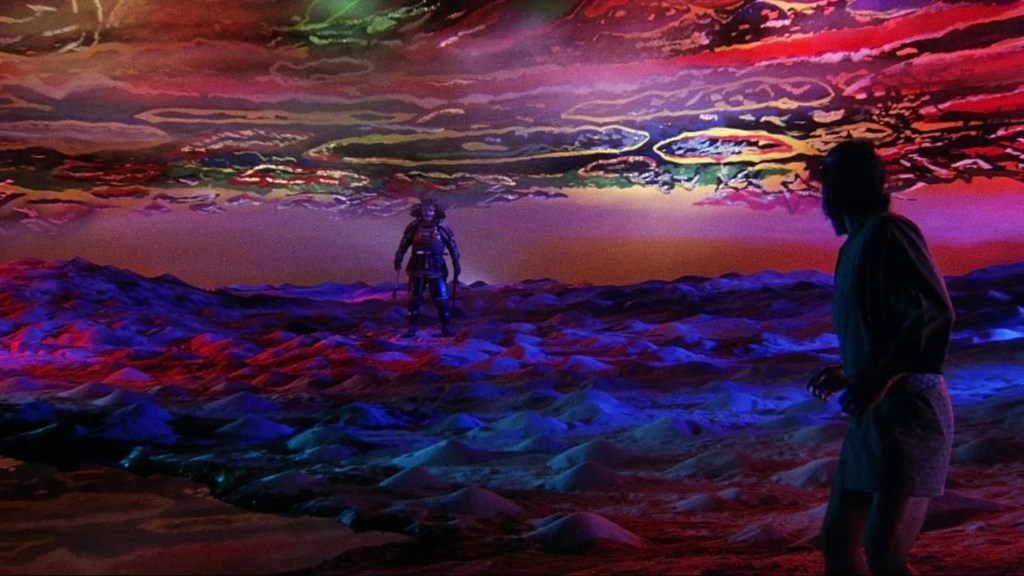
Kagamusha (1982)
A screenwriter or director shouldn’t underestimate the intelligence of the people watching they’re film.
The average person of both professions has average intelligence, and they are making the movie for somebody with average intelligence, so why then would they treat they’re audience as if they have a below average IQ?
Making characters do unrealistic decisions or having pathetic ‘movie magic’ moments that make no sense feels lazy.
Everything in a film should have a reason for being there, make sense thematically and serve the narrative.
A good way to better understand good choices from wrong is to watch more movies. Watch highly acclaimed movies (look through the Criterion Collections catalogue of films to start). Explore new areas of cinema. Be open to anything. You can learn from bad movies, so that you don’t make the same mistake as the filmmakers before you. Think, “Why didn’t I like this and why did I like this?”
Because everything is influenced by something else, if we go all the way back to the origin of story, we’d find that fiction was inspired by probability and dreams.
Picnic at Hanging Rock (1975)
The state of the world, the past, the people a person knows, what somebody studies, and the books a person reads can influence a film. Remember that everything serves the story. All things need to have a purpose for being there
How can one encapsulate a feeling that remains with oneself after experiencing a masterpiece? That is the challenge I have given myself. To show beauty and people, your perspective, your thoughts and opinions, your hopes and dreams.
Regardless of what you make, create something your proud of, which you want to be part of.
Make it uniquely your own. That is where you will create something memorable.
Even if your movie is lost in the backroads of time and space, damned to the obscure, it will always be there, like words of a poet.
Eighth Wonder Productions is not a company whose logo will host any of this summer’s latest blockbusters.
The logo for Eighth Wonder Productions
We are not part of the film industry. We represent a band of outsiders. The presence of our logo at the start of a film stamps it as unique and memorable.
The closest upcoming project from Eighth Wonder is They Came from the Attic: The Revised Cut, which is scheduled to be released on 5/15/2021.
A scene from They Came from the Attic: The Revised Cut
We hope that it will get accepted into a few film festivals but the plan is to post it at least on the Eighth Wonder YouTube Channel on release date.
They Came from the Attic is a no budget short film, created by me and my friends, here in North Dakota.
It all started in July of 2021.
I had to abandon a previous horror short film and, in loneliness, and boredom, got the idea to make a strange little movie about creatures living in the attic.
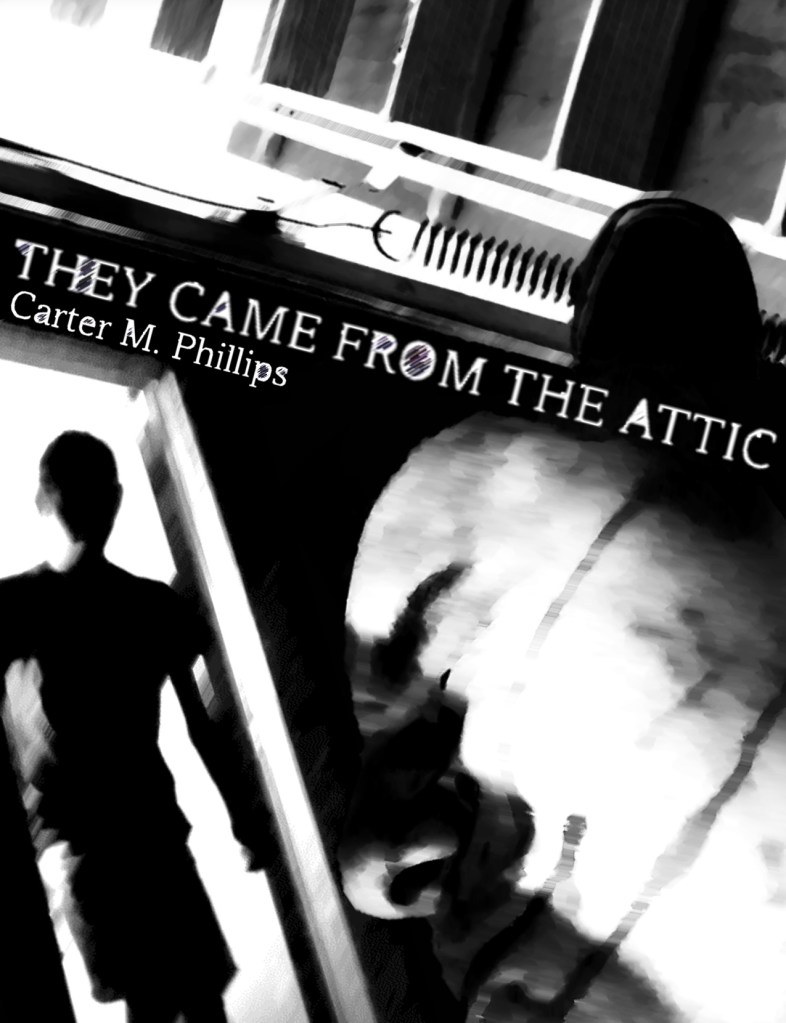
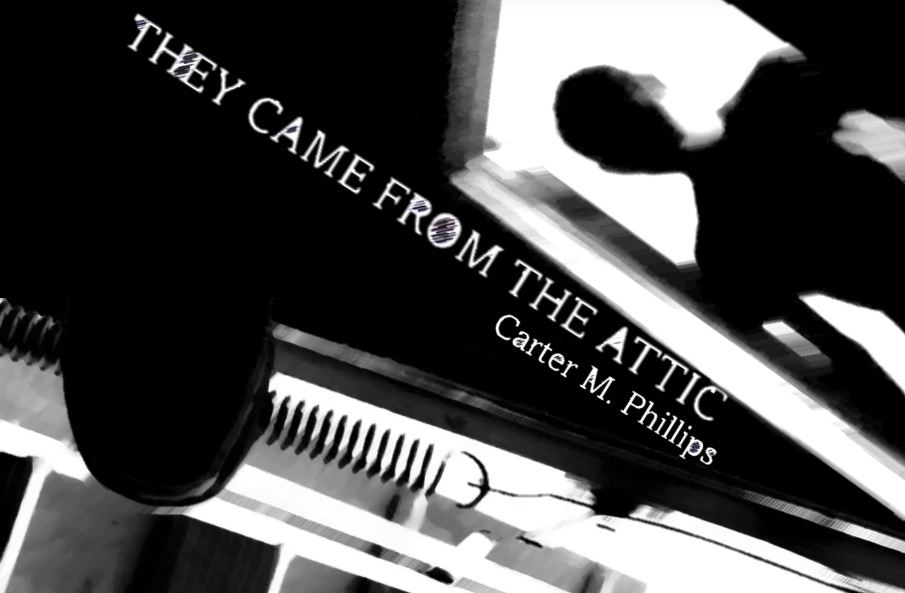
The main poster for They Came from the Attic
“We had thought that the house we bought was just like any other. Then the owners warned us never to keep the attic open after dusk.”
“We thought they were just joking, playing some kind of trick. We soon found out why they told us not to and strictly adhered to the rule.”
“Eventually I needed something from the attic.”
“Evening was still approaching but the sun was still high. Not that I would have known. The clouds covered everything except the ground,” I said in the opening monologue of the film.
Although it began as a lone passion project, it would not remain that way. Finished on the eve of a major surgery, the production was picked back up in December for a revised cut.
A scene from They Came from the Attic: The Revised Cut
This time there would be a crew and there would be a full cast. Ideas that were thought out but not given freedom would be exposed correctly, as to convey necessary plot and nuance.
Joining the production were Gavin and Aiden Villareal, formerly of Sheyenne before an abrupt move to Wahpeton as well as Tuker Heil and Larry Napoleon.
Midway into march, as shooting was nearing its end, we gathered at Heil’s house to do some promotional videos. These interviews were never released to the public -even edited- until now.
The interviews with the cast and crew
When asked about the short film Heil said, “I helped position some of the camera features,” later mentioning his work with the special effects and lighting.
When asked about working with his friend Larry Napoleon who appeared in the film, he added, “[We were] working great with Larry. He helped feature in one of the key scenes -death scenes.”
Meanwhile Gavin mentioned, “I found out sometime about -almost six months ago. I remember uh, the director sending me a script. I remember him sending me that and he’s like, ‘Hey, want an opportunity? Want to do this?’ I had a good time filming it. It’s definitely not something I regret doing.”
“Before I started making films, I made photographs, so I was a photographer, like an amateur one, I wasn’t professional but, I thought if I’m going to make movies, because that’s always been my goal, I should start by taking photographs and I can first perfect the craft of composition before I get moving into movement,”
A still from They Came from the Attic
Replying to a question about the inspiration of the film, I continued,
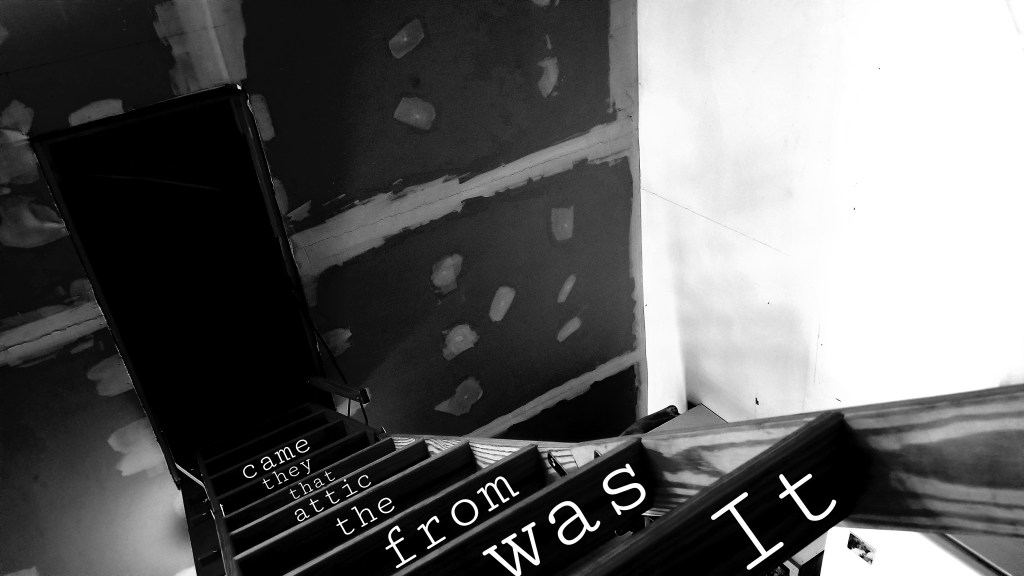
“So, I was looking at these old photos of my attic … I was looking at them and I remember I added in one and I wrote, ‘It was from the attic that they came’ … I had it so that each word was on a step of the ladder and uh, I remember … when I added that … I had this vague idea of this story.” “It just kind of came to me. When I get movie ideas, sometimes they all come to me at once. [Or] I just get this prompt that I can go off of.”
The photograph which led to the creation of They Came from the Attic
Part of the appeal of this production is that it combines all the different annals of horror cinema, and places them into a domestic setting.
Because two of the cast and crew members live out of town, the shooting was often done on sporadic dates, weeks apart from one other. This led to two things.
Firstly, an ungodly amount of time to re-edit, possibly reshoot and re-plan.
I’d show scenes from the film to people, usually fellow crew members, to recognize reactions.
What got laughs, or signs of boredom would be re-edited and at times reshot until perfection.
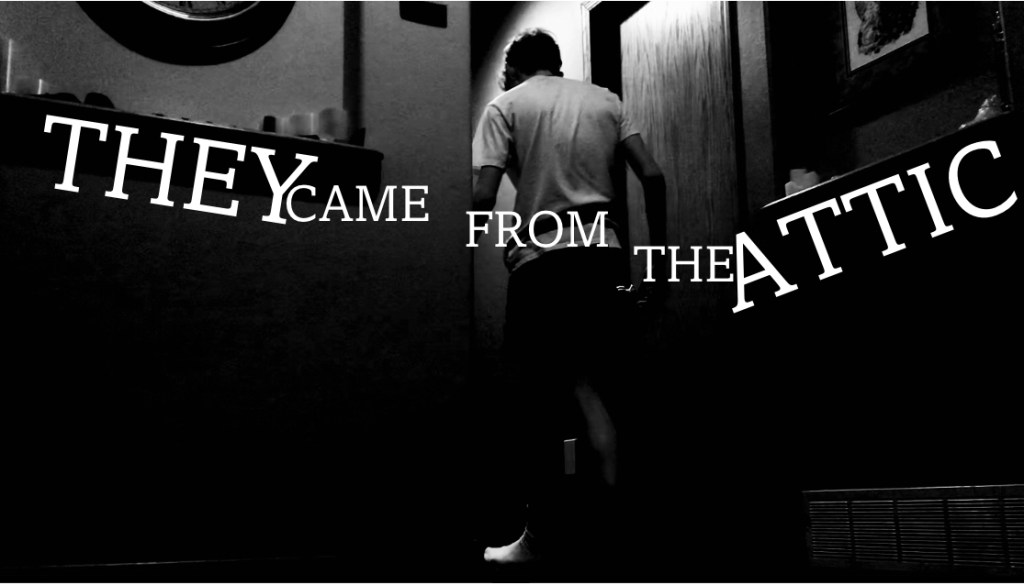
The main landscape poster for They Came from the Attic
This kind of sudden shooting also leads to an uncanny avenue of cinema because I, the main character ages and matures as the film goes on.
The performance gets better with each scene.
As the world becomes unbelievable, the character only gets more grounded.
The façade of hidden emotions is breaking and by the climax, it is entirely undone.
Both the character and I, the kid behind it, are different people by the final scene.
A frame from They Came from the Attic
Its true that I’d been wanting to experiment with something like this long before They Came.
Originally, I had the highly ambitious idea to shoot a film in the span of an actor’s entire lifetime, in which a character is able to see and communicate with himself at different stages of his life in a dreamlike limbo.
An alternate landscape poster for They Came from the Attic
Although far from a movie about shapeshifters in the attic, the war between past and present as well as reality and fiction is still there. This time death is brought into the mix. The themes of this film and other finished screenplays seem to have only gotten more relevant to the cast and crew as time goes by.
What’s next after They Came from the Attic?
The landscape poster for the first Eighth Wonder Production, Eresomim: A Short Film Lost in the Annals of Time and Space
Over the summer we will shoot the highly ambitious anthology horror film: The Memories Lost to Slumber, also known as Nightmares After Sunset. The estimated runtime is 40 to 60 minutes.
There is also talk of a sequel to They Came from the Attic called They Came from the Basement, and possibly even a final third film: They Came from the Countryside.
As mentioned earlier, there are plans for it to be available through Amazon Prime and YouTube.
Again, the cast and crew plan to submit it to multiple film festivals, but it will seep into the deep abyss of obscurity unless YOU watch it and share it with others.
A frame from They Came from the Attic
To view videos relating to Eighth Wonder productions click on these links.
The eve of summer is nearing, giving way to longer workdays and relaxation. What better way to take a break from the crushing world of education than to go to your local cinema and watch some of the latest movies. This article shows you what to expect.
Doctor Strange in the Multiverse of Madness and other blockbusters
Yet another MCU movie is coming out, and this one is a sequel to the 2016 hit Doctor Strange, both starring benedict Cumberbatch as the titular character.
The mystic superhero began in the comics, dating all the way back to the year 1963.
Nowadays, Doctor Strange is one of the frequent recurring characters of the MCU having appeared in the massive and sprawling Avengers Infinity War and Endgame mini-duology as well as nostalgia extravaganza Spider-Man Far from Home.
Each film leads to the next until the ticket sales run out. It’s half soap opera like how Dark Shadows merged horror and melodrama, each episode ending with a cliff hanger, begging the viewers to tune in next week.
Killers of the Flower Noon and other productions from the greats
Now onto some prestige. Many of the old auteurs have been working on upcoming films or film-related projects: Dario Argento (Dark Glasses), Francis Ford Coppola (Megalopolis), and David Lynch (Wisteria) some of which are coming out this year.
Scorsese is returning to the screens since 2019, his last being The Irishman. Even this far into his career, his films are still popular with critics and audiences alike.
Superhero fans tend to boycott him, which I find incredibly ironic because they also praise Joker which was so heavily inspired by his movies that it barely does anything new. He was even involved with the project for a short time.
Being one of the major directors of the 1970’s onward, he has directed some of the most important films of modern Hollywood, but you probably already know that and have already seen some of his films. Killers of the Flower Noon is a western crime-drama, which is noteworthy. This is his first western. Directors like actors, can be typecast. As Hitchcock once said, “If I made Cinderella, people would immediately be looking for the body in the coach.”
He’s talked extensively on the genre before, often while giving recommendations so if anybody should do a western, he would be the one.
The genre is slowly coming back, which to me, is worthy of celebration. So far, I haven’t seen any masterpieces to top the great spaghetti westerns (or they’re prestigious classic Hollywood counterparts) but this film, coming from a talented filmmaker who has spent decades evolving his style and who knows cinema in and out, has plenty of potential.
Nope, directed by Jordon Peele
Horror filmmaker Jordon Peele is one of the few filmmakers that can get funding for an original story in the contemporary era.
Although the title suggests a comedy opposed to horror, the film is promising, considering the rapidly growing hits adding to his reputation. Peele’s first hit Get Out in 2017 made him a household name. He followed it up with 2019’s Us and also hosted the Twilight Zone remake show.
Much of the plot is kept secret but seems to use supernatural intrigue and desolate country life.
A lot of focus is given to the all-time greats and contemporary mainstream.
With so many people talking about them, it can be hard to give a unique perspective and mention information people won’t hear or read anywhere else.
Perhaps because of this, I usually feel more at home talking or writing about films in small crevices of popular culture or that aren’t even in that spectrum.
Yes, I like Star Wars and Batman but there are so many other things I love which are slowly fading away from public memory. This is the main reason I focus on classic films for the Mustang Post.
Therefore, I’ve decided to write about cult classics and give three recommendations. This is not a best of list; they are just three that I enjoy.
There are also many films which originally were very niche, but at this point are mainstream, such as Donnie Darko. To me, cult classics are movies like Basket Case or Killer Clowns from Outer Space. If we go by the logic that Donnie Darko is still a cult classic, then we go by the logic that Citizen Kane is still a cult classic.
These films are also not without flaws, but I’m in the mindset that you can still enjoy and appreciate a film that is imperfect or even objectively awful.
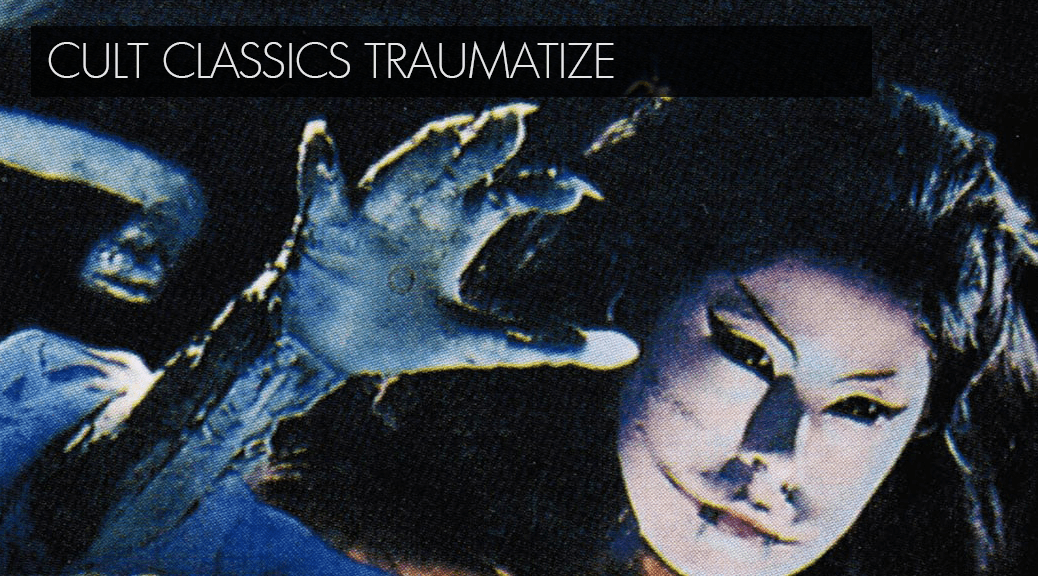
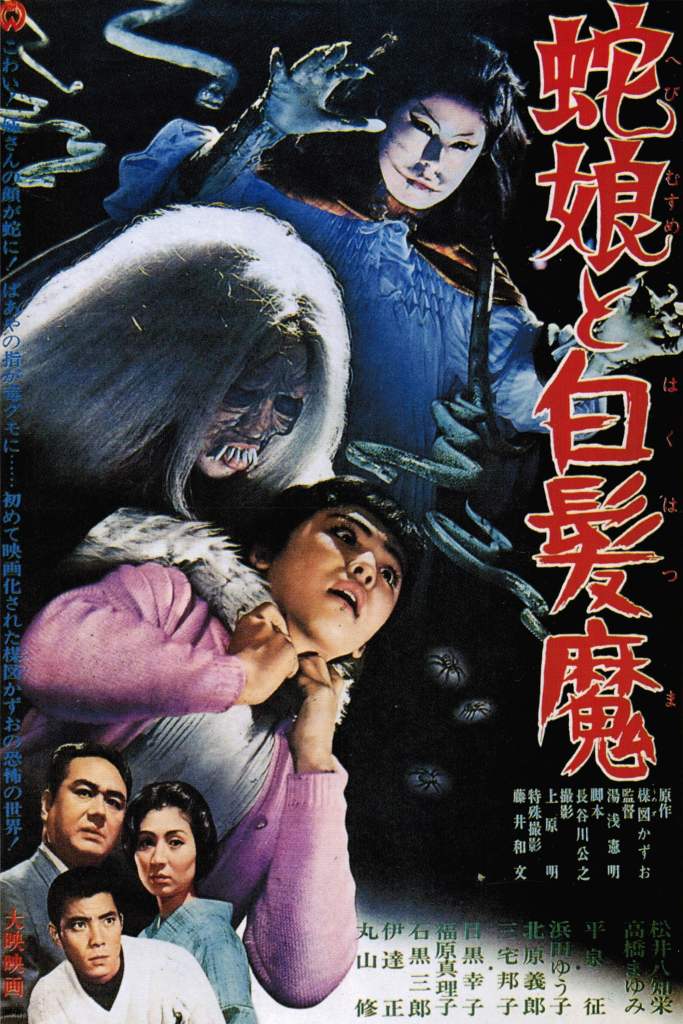
The Snake Girl and the Silver-Haired Witch (1968)
A young girl living in an orphanage is united with her biological parents.
The house blends in with the others in the neighborhood and its interior looks like any other, to such a point where it’s a little cozy. However not all is as it seems.
Something lurks in the house which clashes against the picturesque world they live in.
An original poster for The Snake Girl and the Silver-Haired Witch
Based on a popular Manga and adapted by Daiei Film, the studio most well-known for the Gamera series (a franchise about a giant turtle, made to cash in on the Godzilla series) and credited to Noriaki Yuasa, the leading director of those movies, The Snake Girl and the Silver Haired Witch is one of the most interesting films of classic Japanese cinema.
Gamera is the protector of the universe and referred to as the Friend of All Children. Almost all of the original Gamera cycle featured children as the main characters and by default, were highly fantastical.
Noriaki’s experience with the franchise made him the perfect director for The Snake Girl of the Silver Haired Witch but because of the darker tone, it also makes for an interesting departure from his narrative style.
Made to be a kid film, the movie delved too far into the horror and fantasy and traumatized many of the children who went to see it.
Told through the heightened imagination of the child, the film manages to express a complexity uncommon for the average kid’s film.
Narratively similar to The Phantom of the Opera, Frankenstein and Eyes Without a Face, the movies tone clashes between childlike optimism, unfiltered nightmare and the cold blood of a fresh crime scene.
There’s an over reliance on narration which was likely used because the filmmakers suspected that the kids would get bored if nobody talked for long stretches of time. This is a small issue I have with the film. The average moviegoer would likely not be bothered and would not question it. Either way, it doesn’t hinder the experience.
The film is a macabre trip. It’s genuinely eerie but also shocking in many places. Its relatively tame for today, but because it’s a kid’s film and because it’s so old, nobody would expect it to depict many of the gruesome details. At one point, a character’s rips open a living frug and throws it at the child. “We’re not in Kansas anymore, Toto.”
Fragment of Fear (1970)
After the success of the highly influential Blow-Up, David Hemmings, the lead of the film, returned to the mystery thriller with the lesser-known Fragment of Fear in 1970.
It starts out like an average British whodunnit from the 1970’s but as it goes on it starts to filter in giallo influence and pre-curses the American paranoid thrillers from a couple years afterward.
A frame from Fragment of Fear
As the murder mystery turns into an espionage psychological horror, hints arise that can lead the viewer into two different conclusions: It’s all a cover-up or main character is slowly going insane after the traumatic murder of his aunt (or he’s stuck on heroine).
Some people will defiantly be disappointed by the ending, David Hemmings didn’t even like it, but it’s memorable. It keeps you wondering long after the credits. I think that the screenwriter Paul Dehn (who later went on to pen Beneath the Planet of the Apes, the most artistic and experimental film of the franchise) was in the right direction. Keep in mind also that this is an adaption from a book published five years earlier in 1965 so credit should also be given to its author John Bingham.
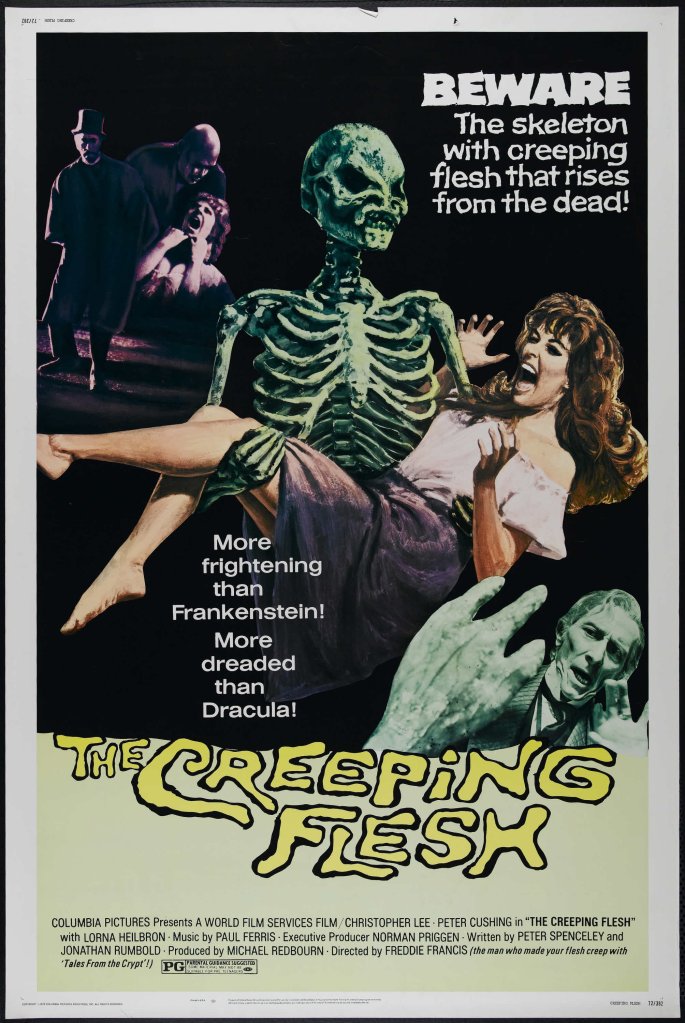
The Creeping Flesh (1973)
Horror icons Peter Cushing and Christopher Lee star in this forgotten gem from the British horror scene of the 1970’s.
Nowadays, they are more commonly associated with Star Wars (both) and The Lord of the Rings (Lee) however during their heyday they were as well known for their horror films as Vincent Price.
They were the Lugosi and Karloff duo of their era, however unlike those two, who had an over exaggerated rivalry publicized about them, Cushing and Lee were intimate friends in real life. This always created an interesting chemistry because two best friends were pretending to be enemies on camera.
An original poster for The Creeping Flesh
Coming out in the early 1970’s it is at an interesting era in the genre.
Censors were becoming less restrictive and smaller studios were getting more and more daring.
Films such as The Last House on the Left, Texas Chain Saw Massacre, Halloween, The Amityville Horror and most importantly The Exorcist took the horror genre away from decrepit castles and grand dusty mansions to the modern day.
Even as early as 1968, Peter Bogdanovich: The Ultimate Cinephile, made Targets with Karloff, a film way to inappropriate for school, to go into detail about but which has only gotten more relevant and genuinely upsetting with the succession of spree shootings in the last few decades.
It’s hard to pinpoint exactly where this shift started, but it is necessary to understand the context.
Some people would claim that Night of the Living Dead is the big movie that altered the genre, and it did but was it the movie entirely responsible for this shift?
In reality it had been a slow process that began shortly after the second World War, when Dracula, Frankenstein and the Mummy no longer scared people.
They had the horrors of war, concentration camps, Hiroshima and Nagasaki. In a way, Earth was in a horror movie of its own.
This is when horror and other genres payed more attention to fate, individuality or a lack thereof and scientific progress.
Before then, the fears on the screen were reminiscent of: disfigurement, outsiders and being rejected. This was a generations direct response to the Great War, considering the vast amount of veterans who came back wounded.
In those films, the fear was that you, the viewer, had more in common with the so-called monster than the ‘normal’ human characters.
The look of The Invisible Man, hidden in winter wrappings and with a scratchy voice (which Claude Rains had acquired after allegedly inhaling some of the mustard gas on the battlefield) to me, is a perfect example of this.
The times were changing but meanwhile, Lee, Cushing and Price were still appearing in beautiful gothic period pieces.
The Creeping Flesh is about an archeological discovery one could imagine Wells or Millies dreaming up.
Cushing discovers the bones of an extinct Goliath. If the bones touch water, they can reanimate.
Lee, the bitter brother of Cushing wants the glory for himself and sets out to rob him of the discovery.
Oddly, the film has a strangely melodramatic side to it. At times it almost feels made for tv, however the abrupt change in tone is usually fleeting.
This is no masterpiece, especially when compared to the other films of the era, with the same actors, however with its dated or flimsy aspects, it has a charm to it that is non-existent in any contemporary film.
It’s not schlock either. This film has the same creativity as the classic horror novellas and books from the 1800’s.
It’s ironic because, without going into spoilers, Cushing’s scientist has a downfall due to his own passion and discovery.
The film does make a statement on science. It asks what betterment discovery is. Are some things best left forgotten? Or do we need to remember, as not for it to become repeated?
Cushing played the role not long after the death of his wife, and likely this is the reason his characters wife is also dead. The experience he brought to it, made it what I consider to be his best performance.
In 1973, when The Creeping Flesh was being made, the Frankienstine films over at legendary horror studio Hammer Film Productions were in a late stage.
Both actors were regulars there and Cushing was the man who played Frankenstein.
It is interesting to see him play a good-natured scientist opposed to one who is bitter and morally skewed.
If anyone was to play a horror scientist during this time, it should have been Cushing.
The majority of the film builds up to when the skeleton will awaken, and going into it, the viewer should probably be aware that it takes a long time.
It ends with a Cabinet of Dr. Caligari style twist which stays with the audience long after the sun sets.
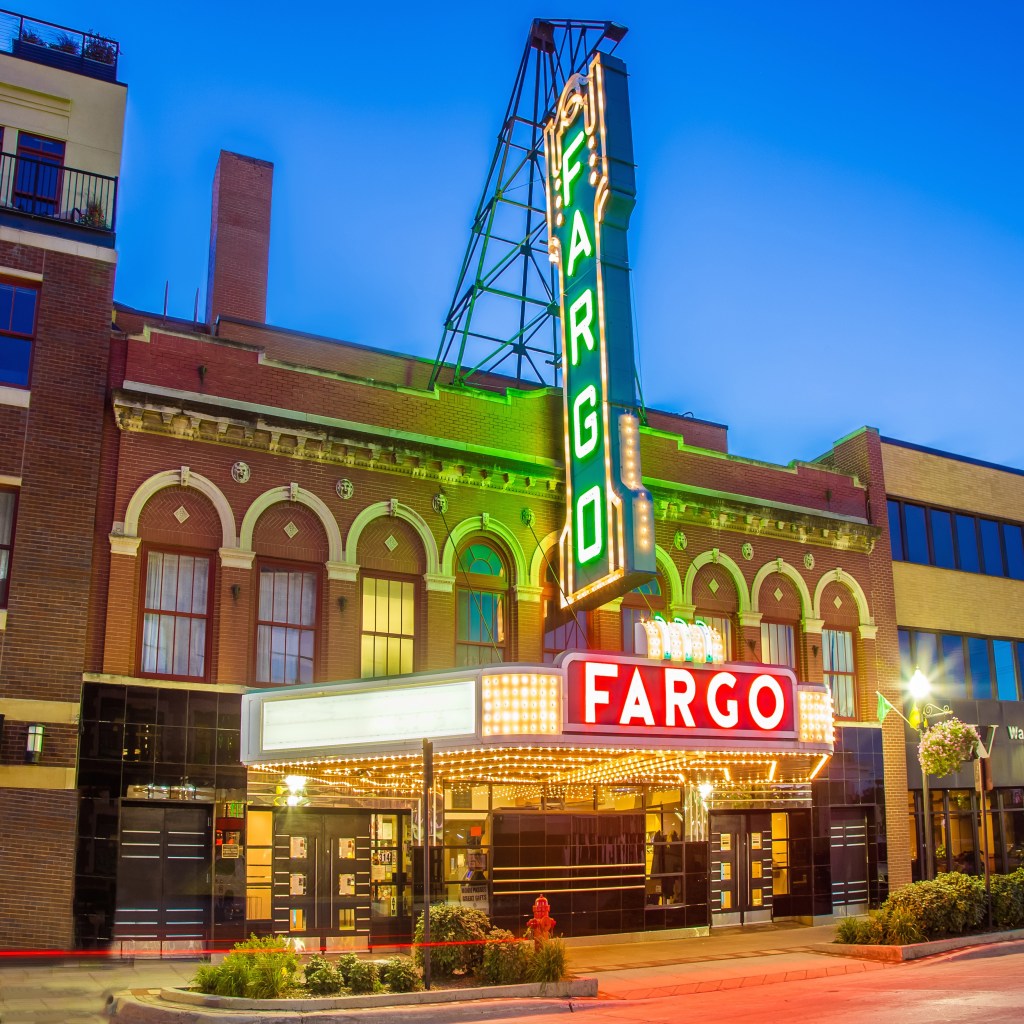
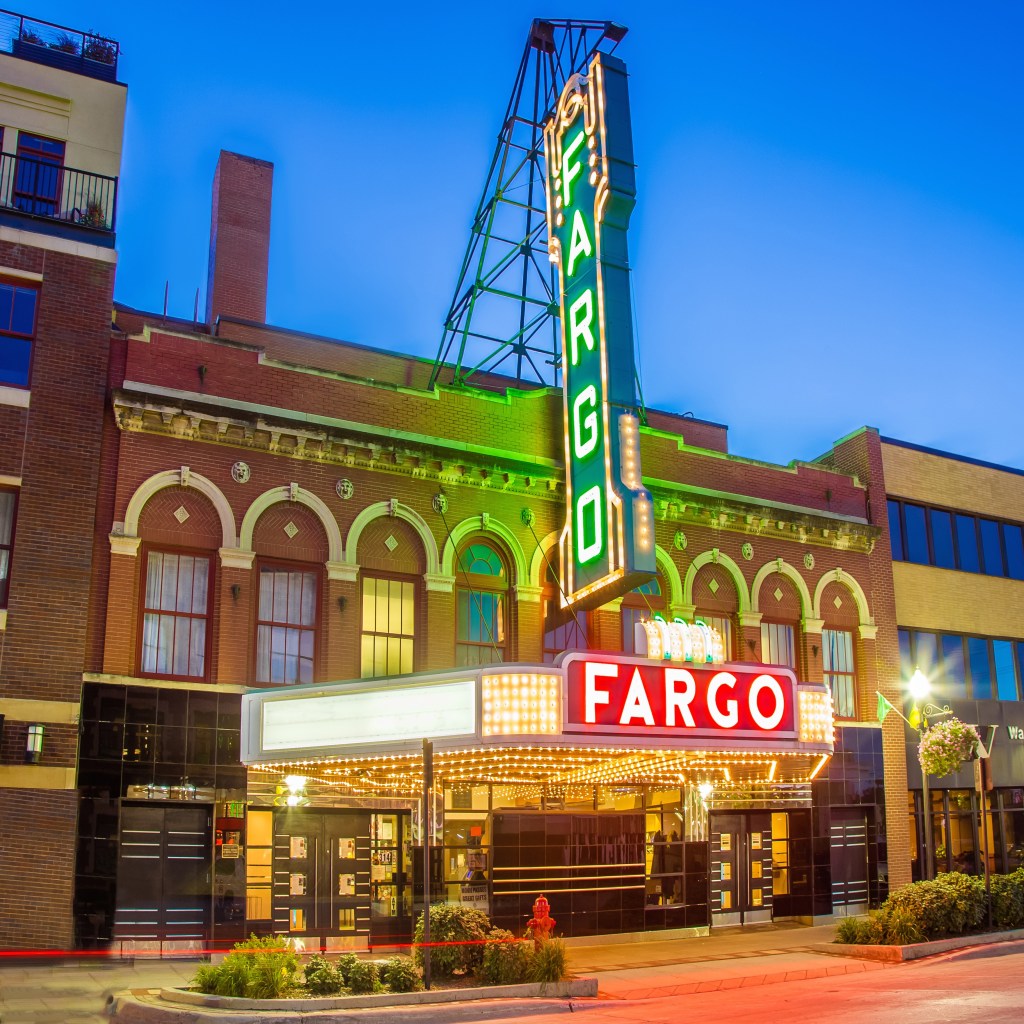
Sitting deep in the foliage of cobblestone and brick, pavements and road signs, wanderers and workers there lies an old theater, known to many residents as The Fargo Theatre.
It is one of the oldest theaters in North Dakota still in operation. Dating back to 1935 the Theatre has survived the rise of television, the invention of home video, the invasion of streaming services and the fall of the video store but without strife.
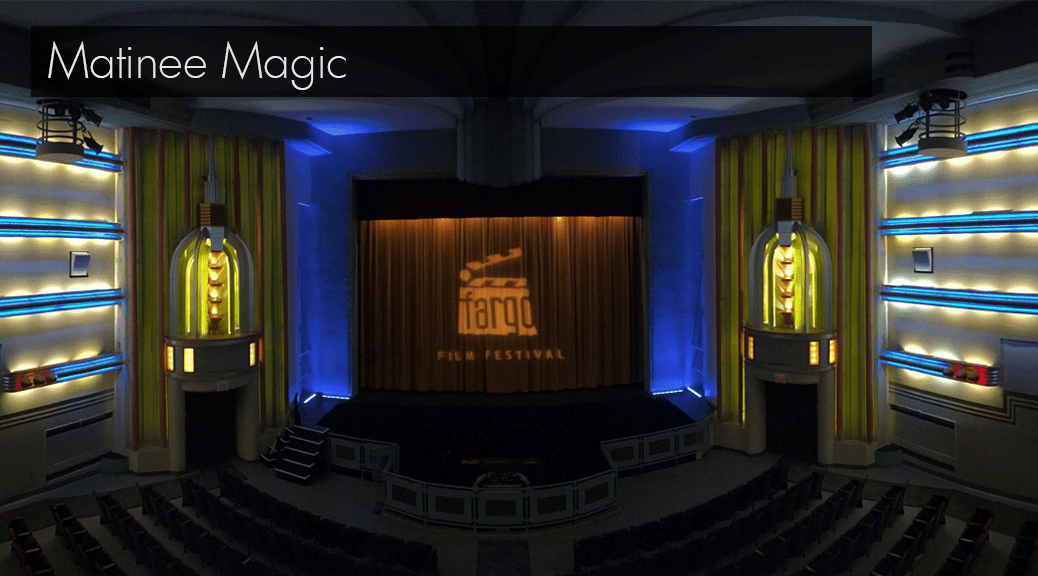
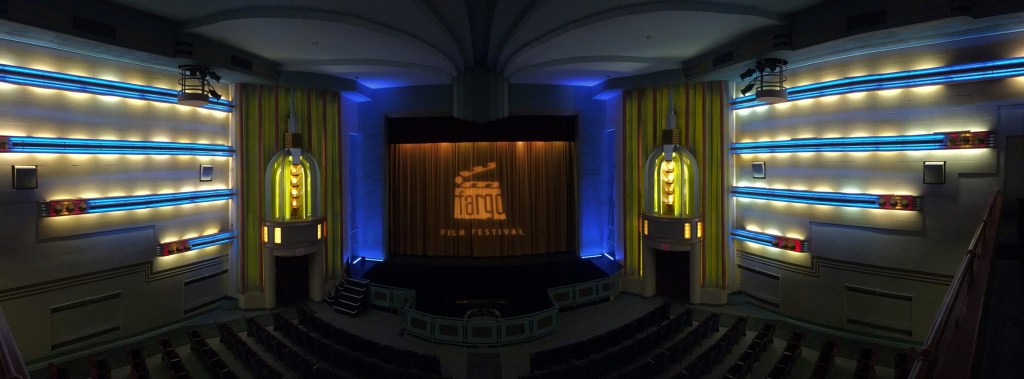
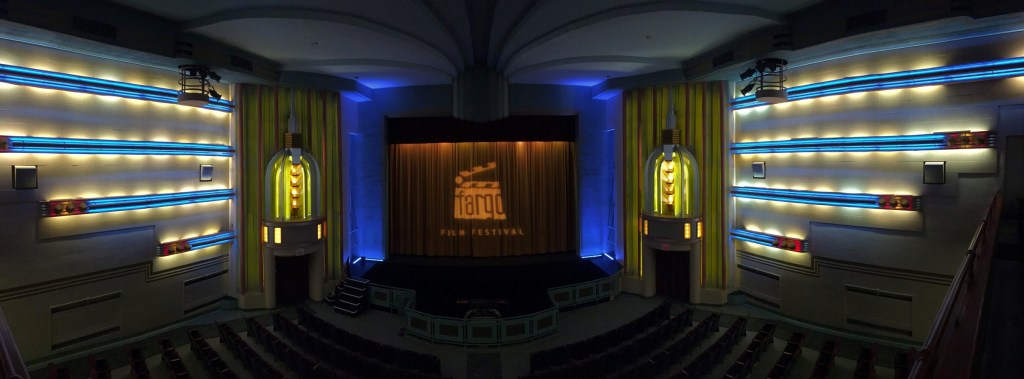
The Fargo Theaters main screening room Image courtesy Emily Beck, Executive Director Fargo Theatre
During my brief correspondence with her for my last Article: Panic in the Cinema Palace, available on this website, the executive director Emily Beck addresses the industries long history, “People have predicted the downfall of cinemas several times in the last century. First, it was the invention of broadcast television. Then cable. Then video rental chains like Blockbuster. Then (of course) streaming services and COVID. The last two years have been incredibly difficult for our industry – I won’t even try to sugar-coat the challenges – but I can’t help but feel that there is a resiliency at the heart of what we do. That is thanks to people like you — people who value the experience.”
Unfortunately, people like me are rare these days. The mainstream prioritizes anything popular and everything short. It seems that the middle aged and elders are demographics that the theatre is not keeping. For decades the most prominent demographic has been teenagers.
Most big blockbusters are labeled PG-13 so that families and kids can attend.
With the Fargo Theatre, there is an annual silent film showing and ongoing classic film series.
It’s selling well. It brings the shy demographics filled with people who would often rather watch movies from home, back into the cinemas. Unfortunately for the teenage demographic, it should be noted that blockbuster entertainment (The Marvel Cinematic Universe and Star Wars for example) is not commonplace. For my generation, this theatre is a great way to explore different movies which we otherwise wouldn’t get exposure to.
The Fargo Theatre also holds many events, from musical performances to comedy shows.
n the curation and overall appeal Beck had this to state, “But these are new times with new challenges. In partnership with other cinema operators, we will keep pushing film distributors to provide long windows between a theatrical releases and streaming premieres. We will continue to work hard to give our guests the best independent, international, and classic programming available. We’ve recently upped our concessions offerings to include specialty beverages and new candies. Our marketing frequently highlights the entire experience of going out downtown and all that has to offer. Since our reopening, we’ve heard from countless guests that they missed the Fargo Theatre and the experience of seeing a movie on the big screen. While they[‘re] are challenges ahead, we remain optimistic that there will always be an audience eager for a night at the movies.”
Being as old as it is, they have preserved the feel and ambiance that it had in its prime. It’s like stepping back into history. Regardless, it has state of the art technology so that films are projected for the best performance.
If you’re in the downtown area, a good place to visit would be the Fargo theater which always has something interesting playing.
The Fargo Theaters street view Image courtesy Emily Beck, Executive Director Fargo Theatre
Much has been said of the decline of the movie theaters, that is a victim of streaming services like the Video Rental Stores which in my lifetime have become ‘obsolete’.
The exterior of the Fargo Theatre Image courtesy Emily Beck, Executive Director Fargo Theatre
Although almost entirely extinct, video stores have something that streaming service can never have: a tangible display of films and actual people inhabiting the library.
Instead of an algorithm recommending films, an employee may assist in finding a film for you.
Maybe it’s simply the satisfaction of seeing spines on my shelf, or being able to hold a case in my hands, feel it’s weight, admire its artwork, see myself through the reflection on disc.
After all, cinema is just a camera looking back at us. It comes full circle. Streaming Services are not all bad, however, they are a threat to movie theaters just as they were to the video rental store a decade ago.
With films being dropped on some streaming services the day of theater release, people can watch movies at the comfort of they’re own home. This is a massive problem for the many people who work at the cinemas. The cinephile’s worry of movie theater longevity is not new. During the beginning of television, there was a drastic drop in cinema attendance. It was even more extreme than what the streaming services have been causing.
Streaming Services are also tiring because so many popular and important films are spread against multiple different companies, and to have what feels like complete access, you must sacrifice money only to lose more films when contracts are ended.
With a DVD, Blu-ray or 4K UHD disc, you can watch a film without the possibility of buffering, sudden drops in image quality and never worry about loosing it to a contract subsiding.
Most importantly, you watch films that you are interested in. You seek them out, you don’t have an algorithm seek films out to please you. The Movie Theater is an even grander experience. They are built to have satisfactory viewings. Many are lavish or state of the art. They all have a universal, comfortable appeal by design.
Something unique about movie theaters that even my dearest discs don’t have is a massive screen and the communal experience. Rowdy crowds are an issue, but for myself, I’ve had more positive experiences with the audience than negative ones.
Despite having to listen to a crying baby during the 45th anniversary showing of Jaws or listen to elders argue about who is supposed to sit where during the third act of News of the World, it’s hard to compare to the two hours (and more) of awe when I saw the latest Dune adaption. It’s also great to rewatch a Hitchcock classic, Rear Window at the Fargo Theater with a live but respectful audience around me and my friend, laughing at the wit, gasping at the suspense and silent when most captivating. It’s like watching the film brand new.
The main screening room of the Fargo Theatre Image courtesy Emily Beck, Executive Director Fargo Theatre
An important factor is that money leads to what films Hollywood prioritizes. If people don’t spend any money on watching a film they are interested in, it sends a message that those movies are not a worthwhile investment, because at the end of the day, they aren’t. I don’t think movie theaters are going anywhere, I think that the true issue is what the effect of streaming services has on the types of films being released.
Most people aren’t aware that the film industry used to make a lot of money on home video releases, so much that they could make they’re money back on box office failures. Because of that they could take more risks.
Nowadays the only risks being made are from art-house or art-house adjacent companies like: A24 and XYZ pictures.
These companies are smaller and have less obligations. To call them small is an understatement however because they still have productions that cost a lot of money and often have such people attached to them as Nicolas Cage and Greta Gerwig.
Meanwhile some filmmakers have completely abandoned working with the film industry and have started a new wave of cellphone cinema that they have called The Folk Film Movement.
This is nothing new. People make films spending little to no money and post them on the internet for free.
Nowadays though filmmakers like Joel Haver for example, seem to be making a profit off this because they have gotten such a big following. Because they have almost no restrictions besides money and censorship, they are allowed to be as creative as they want.
Those filmmakers are on the fringe, still obscure but is it possible that someday they will be a big threat to the film industry?
This is to say that all the threats are still far from effecting mainstream cinemas. It’s the smaller, older theaters on the edge of town that are being threatened.
As much as anyone enjoys watching a film at their own home, I think there is a certain loneliness to it. Solitude is only cozy for a while, eventually it turns to imprisonment. With the pandemic seeming to be less of a threat, people are starting to get more comfortable leaving their homes more often.
Does this mean that a new attendance wave for theaters is on the way? It’s hard to know.
It’s possible that soon the only people going to movie theaters are going to be film lovers.
If so, the auditorium would be filled with less distractions.
I had correspondence with Fargo Theatres Executive Director Emily Beck who wrote, “Screen size, cutting-edge audio, and delicious popcorn all make a cinema visit special, but it is the audience — the collective cathartic experience — that is absolutely unique. I felt it recently at a screening of the new Spider-Man flick. The audience cheered when a certain character appeared and it felt exhilarating and exciting.” Later she explained, “We will continue to work hard to give our guests the best independent, international, and classic programming available.” Continuing, she mentioned that, “We’ve recently upped our concessions offerings to include specialty beverages and new candies. Our marketing frequently highlights the entire experience of going out downtown and all that has to offer.
Concluding her message she added in a hopeful note, “Since our reopening, we’ve heard from countless guests that they missed the Fargo Theatre and the experience of seeing a movie on the big screen. While they are challenges ahead, we remain optimistic that there will always be an audience eager for a night at the movies.”







 The Mustang Post