As mentioned in a previous article, Yume Nikki is a cult classic indie game that was released all the way back in 2004 that explores a young shut-in’s dreams.
While Yume Nikki’s influence can be seen in many different corners of the indie scene, the game hasn’t received any updates in almost ten years. Just because there haven’t been updates doesn’t mean the community hasn’t been active; in fact, some of the community has taken it into their own hands to continue the series.
“Dot flow” and “Yume 2kki” are arguably the best and the most popular fan games released. The problem with these two games is just how hard it is to play them. Even with an English translation, there’s still many other steps needed to play them.
Yume Nikki Online Project or YNOP aims to fix that and add even more onto the games. YNOP is a free fan-made port of Yume Nikki, Dot Flow, Yume 2kki, and even more games all modified for online play complete with English translations. The best part? No downloads are required.
INSPIRATION SECTION
Kikiyama is the creator of Yume Nikki, and much like the game itself, he is shrouded in mystery.
Kikiyama has all but disappeared since the last official release of Yume Nikki, only having appearances when a remake of Yume Nikki came out and doing oneinterview with other indie game developer, Toby Fox. This appearance and interview really are loose terms: signing off on the game’s release and nine yes or no questions is all there was, but nonetheless, he’s out there.
Yume Nikki’s inspiration can be seen far and wide across the indie game spectrum but the inspiration for Yume Nikki can be found easily, in fact, you can just look at the title. Yume Nikki directly translates into dream diary in English. Because of this many have theorized that Yume Nikki is Kikiyama’s dreams, giving an explanation as to why there is little to no story.
FAN-MADE PROJECTS
When playing Yume Nikki for the first time some players may be expecting a more horrific experience or even more in-depth exploration of the dream world. Dot Flow and Yume 2kki aim to solve both those problems.
Dot Flow, unlike Yume Nikki, does not shy away from body horror and tries to make the player uncomfortable. Dot Flow consistently offered up scare after scare that all worked well in tandem with the deteriorating mental state of the protagonist.
Yume 2kki is a project for fans by fans, made by over 100 different developers Yume 2kki does not disappoint in the content section. With 36 worlds the player can choose from when entering the nexus Yume 2kki makes sure to never let the player think they know what is going on.
GAME-PLAY SECTION
As mentioned previously, Yume Nikki follows a young shut-in named Madotsuki and their dreams. Yume Nikki establishes a few very important concepts that Dot Flow and Yume 2kki both expand on like the nexus and effects.
In Yume Nikki, the nexus describes the place just outside of Madotsuki’s room which can only be entered in their dream. The nexus as its name implies serves as a connector to many different dreams, in Yume Nikki these dreams are represented by doors with symbols to represent the world.
In Dot Flow the doors are completely gone in favor of exits in each of the cardinal directions, while this does reduce the number of entrances in the nexus it makes it easier to get to important worlds that may serve a story purpose. Yume 2kki decides to expand on the nexus even more making the nexus an even bigger room with objects to interact with that represent the world.
The other concept, effects, is harder to explain because of the many purposes they serve. The main purpose for effects is to reach the end of the game, which can’t really be called an ending in the context of a story because there really isn’t a story. Effects also serve as transformations that have a variety of effects on the player like making them go faster or being able to light up a world.
Yume 2kki doesn’t just expand on existing effects, giving them new purposes for example. But it also adds an entirely new feature in combining effects. This along with improved menu UI and having more effects in general really make Yume 2kki a never-ending game. Dot Flow, despite not changing any major features about effects or even the rough number needed to complete the game, the effects in Dot Flow are an improvement. This is entirely because of the story that is placed around getting the effects and rust.
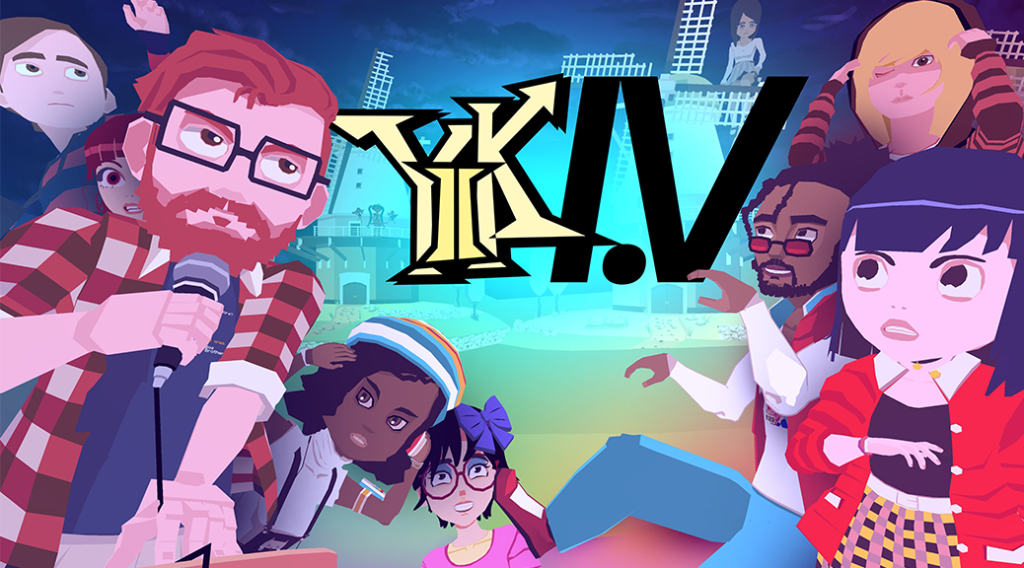
When discussing the worst games ever made many people jump to games like E.T. for the Atari or the original release for Final Fantasy 14, maybe even No Man’s Sky. These games are among some of the most buggy, poorly designed, and rushed games in history. But what if the worst game wasn’t buggy at all? What if it had 8 years of development time? What if it had a good concept with a strong base to build off of? The game that fits into all three of these criteria? YiiK, stylized as YIIK and pronounced YEEK.
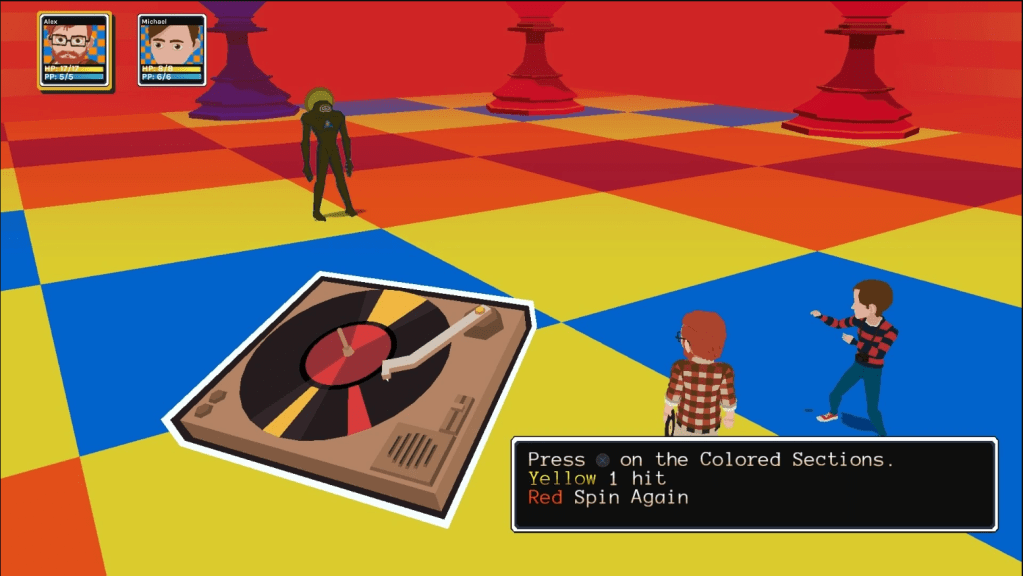
YiiK is a self-described “Post Modern RPG” with all the classic RPG elements: turn-based combat, quick-time events, and party members.
YiiK follows Alex Eggleston, a college graduate coming back to his hometown, while meeting the protagonist the player will encounter the biggest flaw in the entire game, the writing.
Long droning monologues that provide context already given to the player combined with an extremely unlikable and static protagonist culminate in making some of the most difficult writing to sit through.
Arguably the worst part about the writing is the lack of consequences to Alex’s actions. Alex is constantly the worst person possible in every situation or interaction and unlike games such as The Witcher or Skyrim, these actions aren’t the players’ choice, it’s just who the character is, what he says, what he does.
After playing the game for some time players may expect Alex to grow throughout the story, even if that growth isn’t earned story wise. This doesn’t happen. Alex stays the same morally questionable, sometimes even morally reprehensible character that only thinks about himself, and the game agrees with him.
(the next paragraph contains spoilers for YiiK, if you would like to play the game, please skip it)
Throughout the game Alex only thinks about himself, hetruly believes the world revolves around him and at the end of the game it’s revealed that the world does. While I won’t get into massive lore details just know that Alex is right in believing that he is the most important in the universe by virtue of being Alex Eggleston.
While the writing may be bad, that alone wouldn’t ruin a game. The combat mechanics of the game also help to make it the worst game.
Slow, basic, and repetitive are used best to describe the combat of YiiK. At first glance the combat system may not seem horrible; this illusion is washed away by the end of the first hour of gameplay. To understand the games short comings, it’s important to look a game that did this combat style, based around timing inputs, well.
Paper Mario, for the N64. This game had one of the most innovative combat systems found in a turn-based RPG, letting the players’ skill determine how much damage is done. On top of the skill-based combat it also hosted a large variety of moves/attacks. This is where YiiK fumbles.
YiiK’s combat system does not change. The best moves or attack order will always stay the same, there is no room for variety in the game. Another major problem with YiiK is the scripted fights/losses. Multiple times throughout the story you MUST lose in a fight to progress, this is disheartening when playing.
It sows a sense of doubt into the player. It makes them wonder if they even need to try for this boss. If it would just be better to lose instead of trying just in case. And that mindset isn’t even wrong. It would be easier to just lose every boss before actually attempting them.
The last important thing to mention is how much potential that YiiK had. The game had some of the best video game composers making music for it. YiiK also had an interesting idea; a unique art style that was modern while still being blocky/polygonal.
That’s my biggest problem with YiiK. It had potential, YiiK could’ve been a great game and it still can be. Currently the developers are working on the 1.5 update, this update is promised to change the problems that plague the game. Changing the story direction, improving combat and the dungeons found in the game. This update could be what the game needs to switch from being the punchline of jokes to being a great game. When it comes out, I will be playing it and I implore you too as well.
In the west, we’re all too familiar with bands such as the Beatles and the Rolling Stones, bands who dominated the music sphere and culture, and continue to influence music to this day. Even as far as Japan, their influence spread and dominated their youth music scene almost as much as it did ours. In the 1960s, the Japanese rock scene almost parallels ours. Yet how did it reach Japan, a nation so far away from the United States and United Kingdom geographically and culturally?
How Japan had so much western influence has to do with the American occupation between 1945 and 1952. After the destruction caused by the Second World War, the United States wanted to help rebuild the country and turn a former adversary into a current ally. With the influx of western aid and American soldiers, the cultural mixing changed Japan and shaped them into the nation they are today.
In these U.S. military bases would form the most popular style of Japanese rock of the time, with influence with western bands such as the Rolling Stones and the Beatles, groups would form to play western-style music with loud guitars, heavy drums, and punching lyrics.
The Beatles in Japan at the height of Group Sound’s popularity in 1966
One group of people would form the band “The Blue Comets” in 1952, created by those who would tour U.S. military bases and jazz cafes, places where Group Sounds would commonly be heard. Jackey Yoshikawa (Real name Itaoka Koichi) would join the band in 1957 and become the band leader in 1963. One of their most popular songs to this day is “Blue Chateau” released in 1967. According to lead vocalist “Tadao Inoue”, the song is supposedly “a tragedy” for Group Sounds as a genre.
“But actually, [making Blue Chateau] was a dilemma, because I made something that was the opposite of what I had been aiming for. It was also painful that other GS began to imitate it. I think GS’s tragedy began with that song” – Inoue.
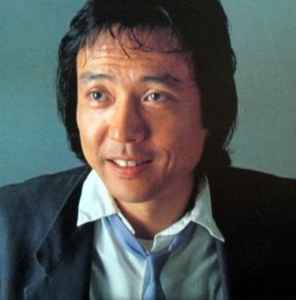
Tadao “Daisuke” Inoue
Other notable bands include The Mops, and The Spiders who are said to have created the first true Group Sounds song, “Furi-Furi” released on May 5, 1965.
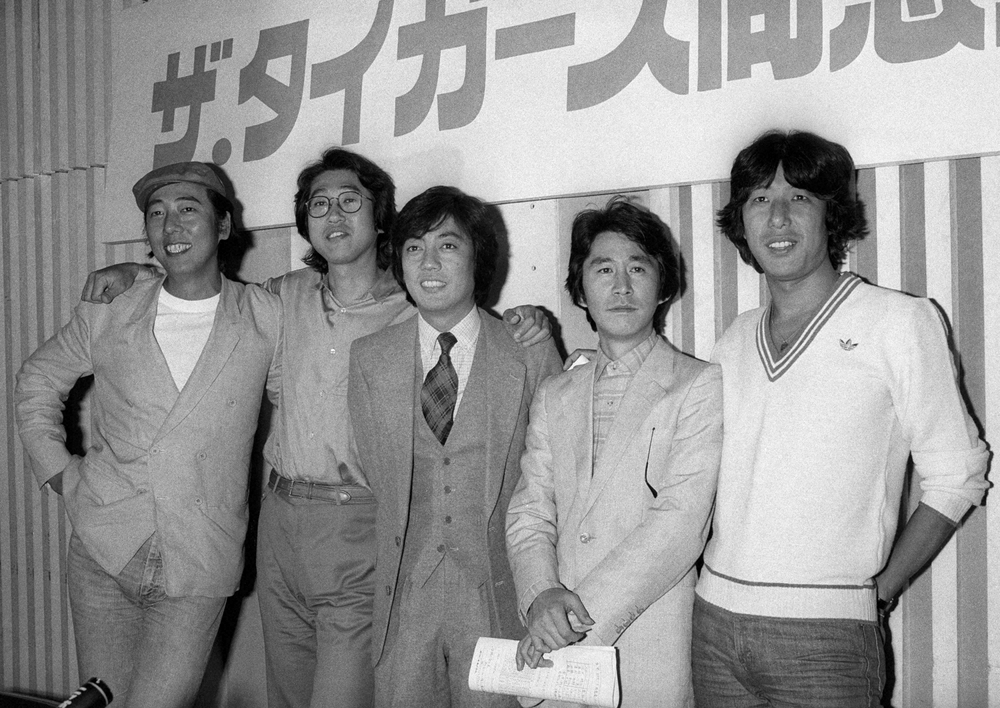
As our rock movement was associated with delinquency and bad youth, so were certain parts of GS in this time. “The Tigers” were one such band, with influences directly stemming from The Beatles, wouldn’t see huge popularity until their single “My Marie” released in March 1967. Some of these groups would embrace the style, and others would reject it.
The Tigers during their reunion in 1981
Pictures of the Blue Comets show the group in clean suits, neat hair, and formal poses, while pictures of The Tigers and The Mops show long hair, leather jackets, and clothing reminiscent more of The Beatles in the late 60s. As the movement carried on through the decade, these cleaner groups would become more widespread and mainstream, while those truer to the fashion of GS would fall to obscurity and typically disband.
Jackey Yoshikawa and his Blue Comets
The Blue Comets would see themselves on the popular Ed Sullivan Show in 1968, whereas The Dynamites would disband in 1969 after four years of relative obscurity. Yet when it comes to all new genres, some original bands would rather go out with the original musical intent than succumb to being “mainstream” as some thought the Blue Comets had become at the time.
As of 1970, most GS bands had already disbanded or fallen to obscurity. The Blue Comets released their last hit in 1971 with “Ame no Sanbika” (Song of Rain) selling less than 4,000 copies of their single. In 1972, many of the members would leave, informally disbanding the group. Most GS bands after disbanding would either form new groups, or reform their old ones such as The Spiders, The Tigers, and some continue to this day like the Blue Comets.
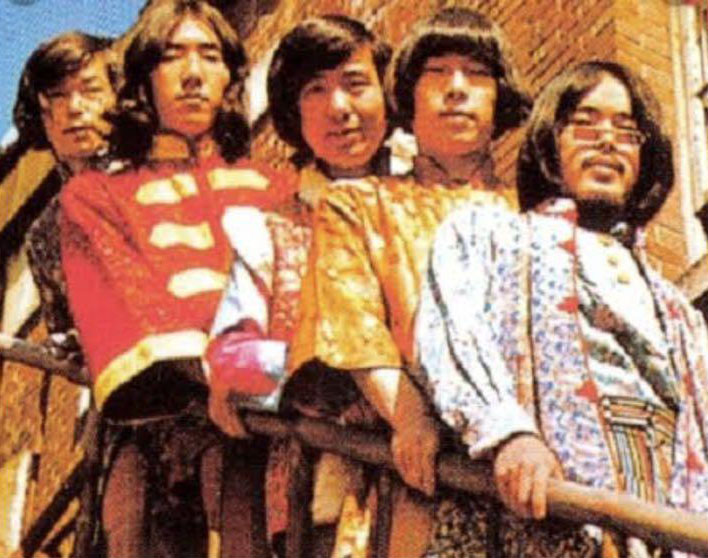
Some of these groups would be seen as pioneers of other genres, such as The Mops for Japanese psychedelic rock. In the following decades, especially the late 1980s, these groups would see a resurgence in popularity, and would continue to have popularity within the older generation.
The Mops
On May 30, 2000, leading vocalist, and songwriter, Tadao Inoue (changed to Daisuke Inoue) committed suicide due to issues from retinal surgery and fatigue from caring for his ailing wife. Following this tragedy, in 2002, the Blue Comets would return as a group and play a tribute to him, and The Spiders would play tribute at his funeral.
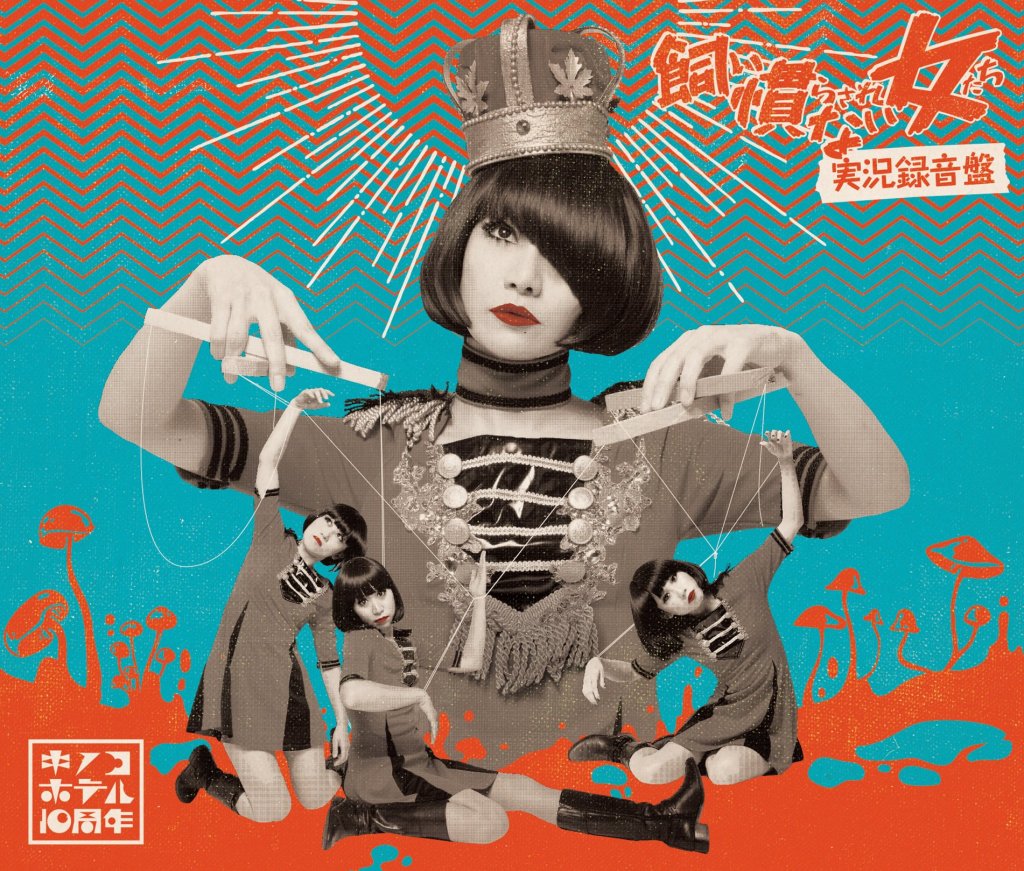
Group Sounds would forever be remembered as an old genre of rock music from a time long gone, during the Showa era. Most of the original “founders” or pioneers of the genre left their groups long ago. Very few bands still hold the GS genre these days. Two such bands that were formed after 2000 fit into this genre, such as Kinoco Hotel and The Captains, self-proclaimed the “last Group Sounds.”
Kinoco Hotel has more of a unique sound than replicating the old style like The Captains. They have a style of jazz, progressive rock, and GS inspiration in their music. The Captains by far more popular still, and is the most traditional to how GS sounds as a whole.
Kinoco Hotel – Untamed Women
The legacy of this genre is one that is almost forgotten by the younger generations, it is seen as an old person’s genre, from the “Showa era,” and is mainly remembered by older people in the east and the west.
The popularity cannot be understated, however, because this phenomenon was incredibly impactful on Japanese culture. It was one of the first times east and west met within music, and a divider between the traditional older generation and their children born after the war. It’s something worth remembering, and worth a listen. What was once a big shift in the landscape of Japanese culture is now the tradition. Same as it was here, what was once counterculture is simply just culture.
The progress of technology in video games is always prevalent. Looking at games from 2012, the difference in quality becomes greater every passing year. Cutting-edge technology now will be average by five years and antiquated by ten. Understanding the quality of video games is to understand the technical limitations of hardware during the time. Games evolve with their technology, and sometimes they evolve side-by-side.
It’s easy to say how terrible a game from long ago looks. How blocky the geometry of the levels is, how stiff the player movement is, and how the weapons feel. Yet it is unfair to push these modern critiques on games over a decade old. A fairer assessment is to compare games with their contemporary hardware. We must remember people were still using CRT monitors when World at War was released in late 2008.
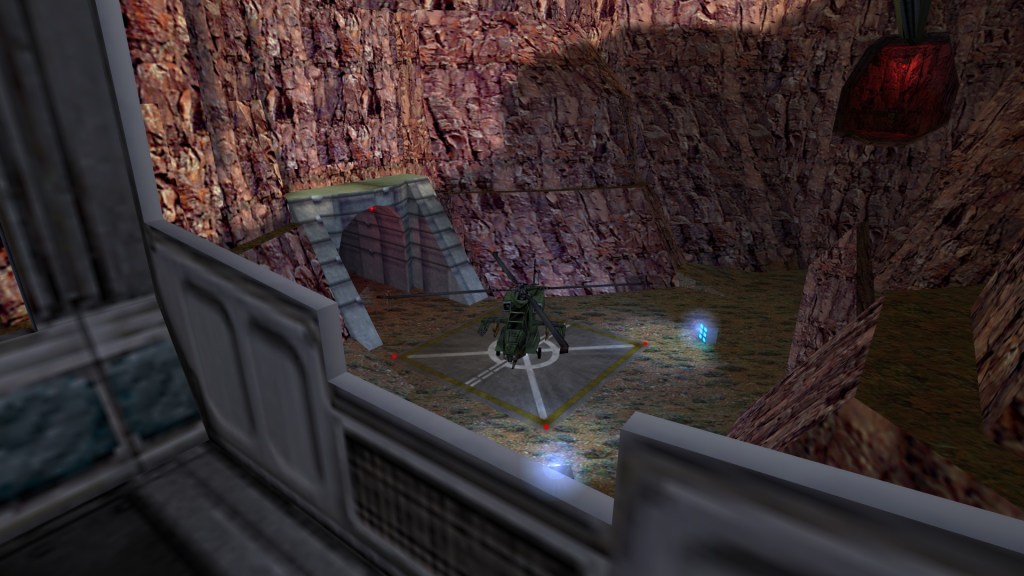
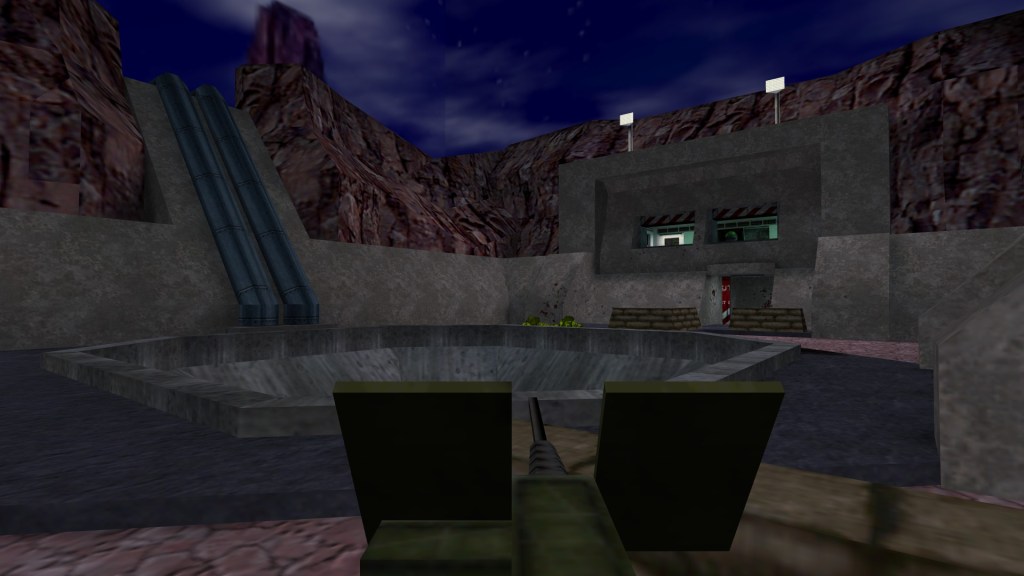
Why then should we discuss Half-Life, a vintage game from 1998 with the absolute bare minimum for a shooter? It has a three-dimensional engine, artificial intelligence, and loads of weapons. This is where perspective plays a large role. Our modern perspective gives us the ability to overlook how this game changed the genre after its release.
From looking on 1998 backwards, the biggest games in the shooter genre were that of Doom II and Quake II. Arcade shooters where you circle strafe around hordes of enemies equipped with the arsenal of God. Not many of which have a big semblance of a story, because back then, it wasn’t seen as important. When Half-Life was released, it was bigger step in the direction of storytelling, physics, and worldbuilding.
As soon as you start up Doom, you begin with a pistol and zombie soldier to start shooting at. In Doom II, you start with a pistol and a chainsaw to take out two of them. Starting up Half-Life, you start on a tram ride that lasts for five minutes. For most people playing this game for the first time, it’s as boring as actually going to work.
These graphics, while impressive for their time, quickly grew outdated. The sequel, Half-Life 2, released 6 years later and completely overhauled the look of Half-life. Someone nowadays may not be able to get past them at points with blocky geometry and compressed audio. Some people even may even have motion sickness when playing the original game.
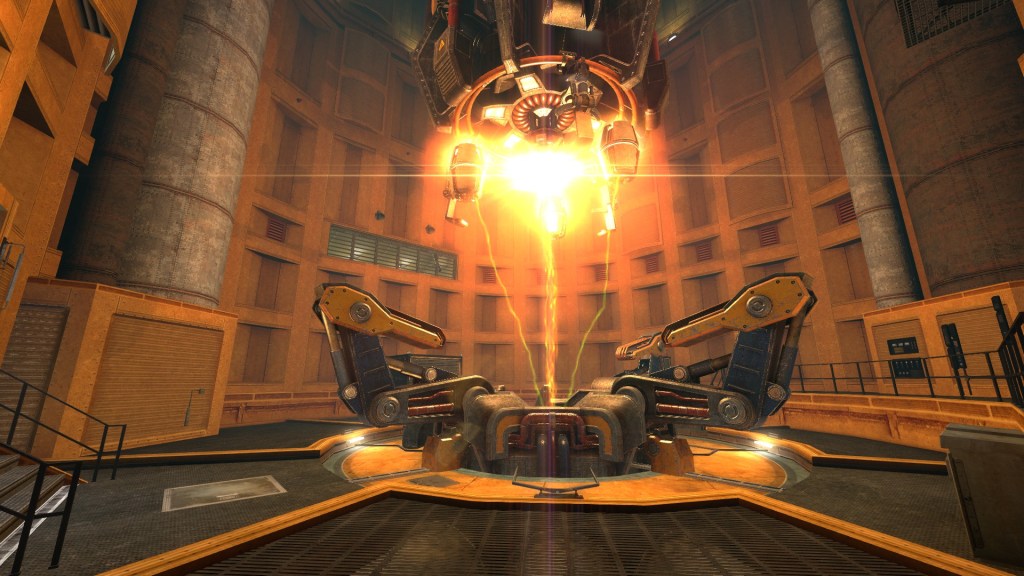
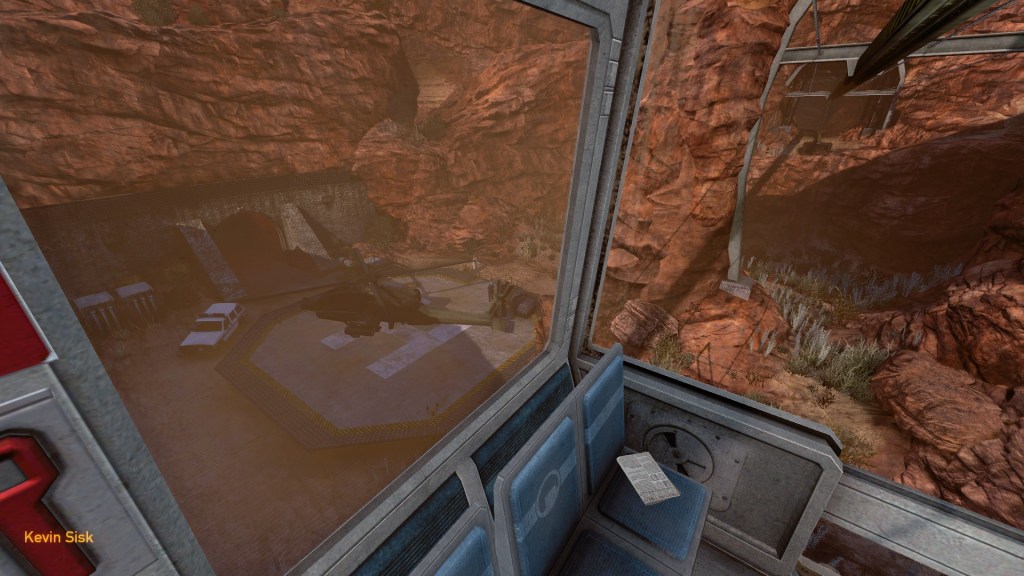
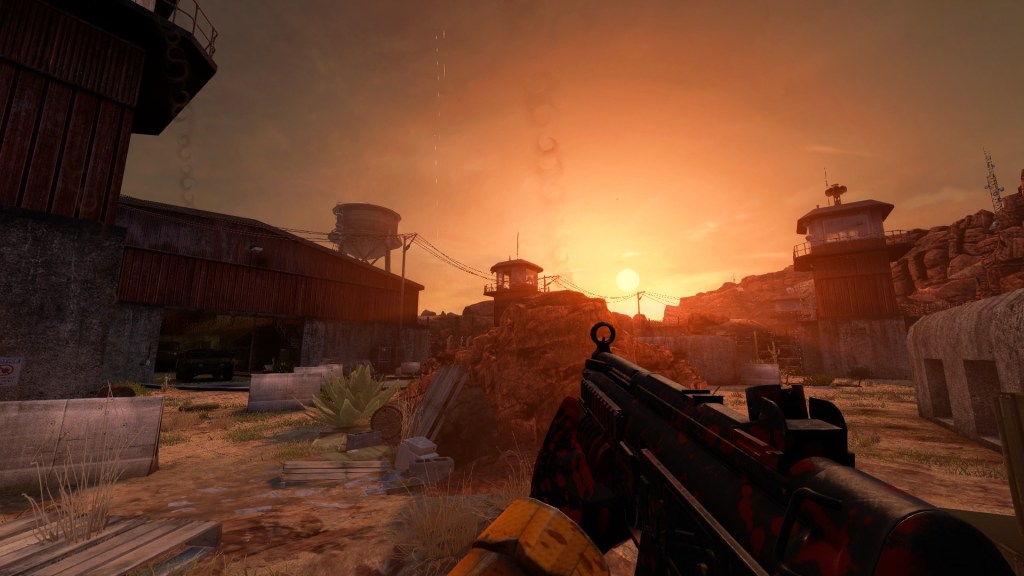
If someone wants to play a modern version of Half-Life, or maybe wants to have a more friendly experience to the modern player, there is a remake under the title “Black Mesa” which in essence is the same exact game, but with extended gameplay and a far more updated experience in terms of graphics and gameplay.
This game pushes the limits of what the old engine it uses can handle in terms of graphics and lighting. The Source engine, the game engine Half-Life 2 and Black Mesa run on, is roughly 20 years old, yet creates environments and atmospheres still impressive to this day. When playing Half-Life, it’s easy to look past the disaster and find the sound effects and voice acting comical or even slapstick. Some even describe the game as a “black comedy” with the absurdity of the situations scientists find themselves in.
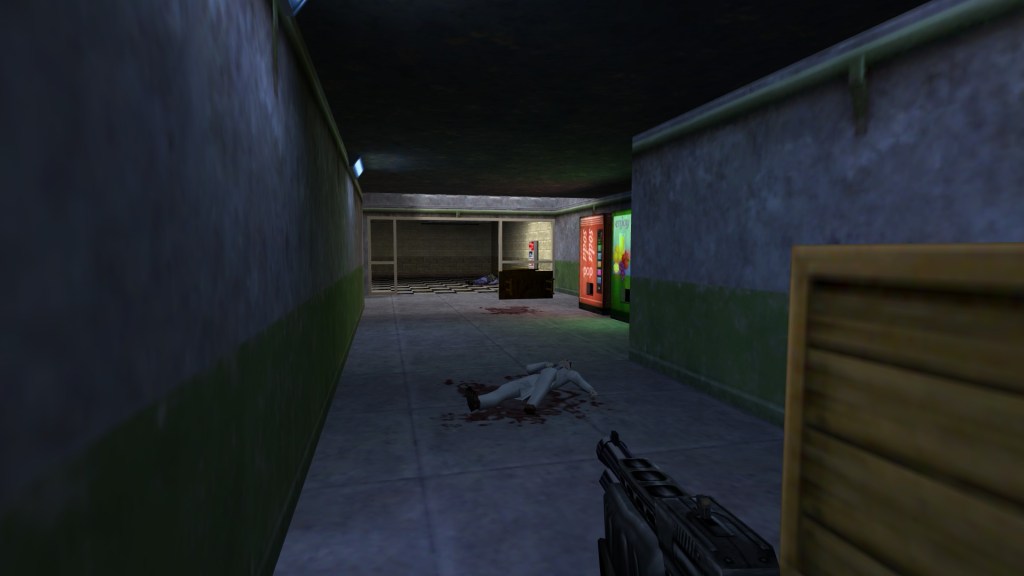
While these two are the same exact game, there remain differences in pacing and tone. In the office section, more is done to expand the whole part to remove the sterile empty hallways and make these hallways look like believable office spaces.
For example, in the original game, one hallway is supposed to represent a cafeteria infested with aliens. At first, it’s almost confusing as for what it’s supposed to represent until you start to look around and take in the atmosphere. In Black Mesa, it becomes a little more clear and sometimes even more believable for a room to exist.
Focusing on the environment and story is not forced upon the player. Barring a single 20 second moment halfway through the game, the player never loses control of the character they play as. You never lose perspective, even during the most important moments of the story.
The game will never take away from the player’s focus, you never leave the character for an important piece of story for a cutscene. Important set pieces can be avoided or missed entirely if the player isn’t exploring their environments. Things such as scientists being pulled into vents, or a hidden shotgun inside a sentry turret room, most of these rely on the player to explore and find them.
When it comes to improving on the story, Black Mesa wishes to enhance the existing one without huge changes. Those that exist are confined within one chapters of the original game, “On a Rail”. This is the most tedious chapter of the game, yet it is also the most open. It encourages exploration of your environment, but only in theory. It’s a looping claustrophobic maze of concrete tunnels filled with soldiers and aliens, both fighting each other.
In context of the story, it shows how the “human faction” is beginning to fight against the “alien faction”, as well as this satellite that is mentioned in the end of the previous chapter. When it comes to these older games however, you quickly forget what the story is if you cannot progress beyond an unclear puzzle or a looping shooting gallery.
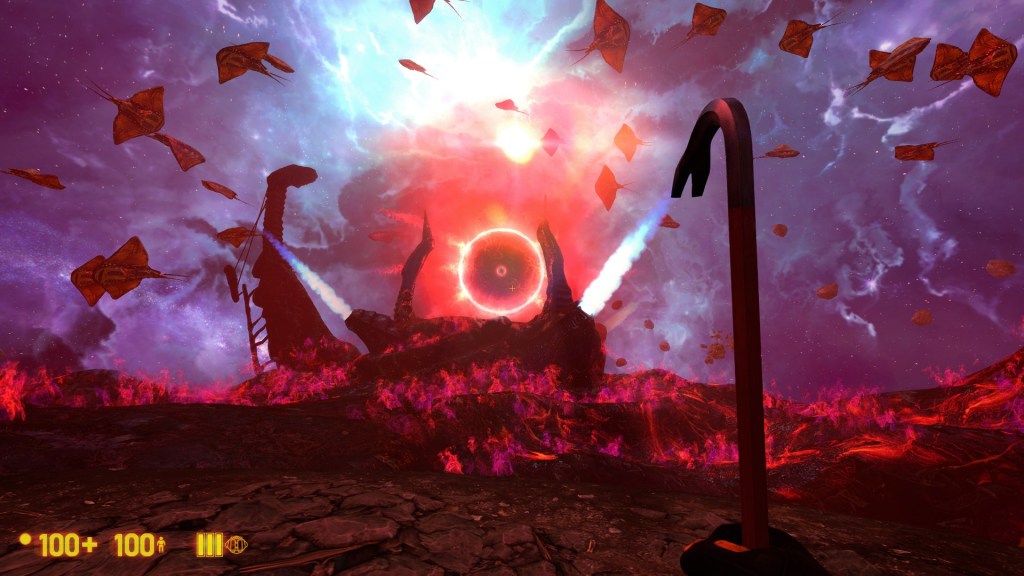
Black Mesa makes the change by cutting out a lot of this chapter. This plus the alien world, “Xen”, at the end of the game, are the only parts of the game that are drastically different from the 1998 original. Many sections considered tedious have been completely removed, and the chapter is heavily modified to continue a familiar feel for original players, but also simplified for newer ones.
Important events in the game are amplified technologically and graphically. The rocket launch at the end of the chapter goes from a slow tube visible through a tiny slit to a huge room with a large glass window to view the huge rocket until it disappears into the sky.
Beyond this chapter, the remake is relatively faithful, with additions for gameplay, or for graphics and worldbuilding. Playing through the original first is recommended far more than this first. It will make you appreciate the advances in technology, but also in gameplay and storytelling. One thing to note is the game’s soundtrack is drastically different in tone and mood from the original. After starting the disaster, the background music goes from ambient sounds to a slightly more impacting synthesized track.
Most of this game’s soundtrack can consist of a heavy guitar for combat, and a slow piano for the quieter/moodier segments. In the original, there’s more of a variety in instrument and style. They set the tone for certain segments and have that cheesy 90s feel to them.
Although both the music and the theme of these two differ completely, they still end up being as good as they both can be in their own way at setting the mood and tone for the player and their environment. The issue that comes with a modern remake is that of how powerful it becomes, and how limited the player may be with a lower-to-average machine. A typical laptop will not be able to run this game. An older desktop computer from 2015 and older will have an issue running this game with the highest settings.
Most modern games have a cinematic graphics setup, and a typical gaming graphics setup. Because the base of the engine is roughly 20 years old, these issues with graphics come into play, even in an updated build.
The source engine by nature is CPU intensive, meaning that is where the most strain will be placed on the computer. In the Earth segments of Black Mesa, the strain is negligible besides the topside chapters. In the Xen chapters however, this is where the graphics and technology of the aging engine get pushed to its limits.
Often will you be in a massive open island surrounded by a large skybox filled with dynamic lights and fully modeled environments, or in giant caverns with bumpy and rocky terrain. When Half-Life 2 was released in 2004, the engine was built with boxy and square arenas in mind. Even in Episode 2, released in 2007, the partial sequel to the game, the cave areas are relatively flat and square compared to the alien world of Xen.
What are the advantages of playing Black Mesa? When playing the original, it’s apparent where the Quake 2 influences reside. Enemies have death animations rather than ragdolls, physics is incredibly limited and questionable, and the stability of the old engine is something to put into question.
Black Mesa has all the benefits and downsides of the source engine. NPCs can sometimes die by tripping over a soda can, or panic over an enemy that is in another room blocked by a locked door. The game tries to solve this by making events heavily scripted, meaning some characters cannot go with the player unless intended to.
Yet unlike Half-Life, the limitations of the engine won’t typically impact the gameplay. It is kept up to date with engine and performance patches, and the developer team is still active, meaning that for them, there is still an active effort to fix bugs common in the engine.
Although Black Mesa is a modification of a 2004 game from 2012, its full release 3 years ago 2020 ensured that the engine is updated far more regularly for player and gameplay convenience. Older games should not be discounted as relics of the past. Black Mesa shows that a dedicated group of programmers and developers can remake an old classic to show their vision for what the original game should have been.
Released in June of 2020, Valorant is a PC-based, first-person tactical shooter featuring two teams each picking five characters with unique abilities falling under the umbrella agent classes: duelist, controller, sentinel, and initiator.
Gameplay features five-person teams who select any combination of agents based on tactics favored in a predetermined map where teams face off in an attacking and defending scenario.
Updates feature new agents with specialized talents like Astra, Gecko, and Kay/o as well as new maps like Breeze, Pearl, and Lotus.
Valorant’s competitive scene started early in the game’s beta with many streamers, YouTubers, and organizations (orgs) holding tournaments and show matches or one-offs. Eventually the scene evolved into global competitions supported by Riot Games, the creators of Valorant, culminating in million-dollar prizes.
VCT LOCK//IN intro
VCT LOCK//IN is the first, global tournament of the annual year and the first major or officially sanctioned event by Riot Games in addition to Masters and Champions later in the year. Unlike past majors, LOCK//IN would be a single elimination event with no loser’s bracket.
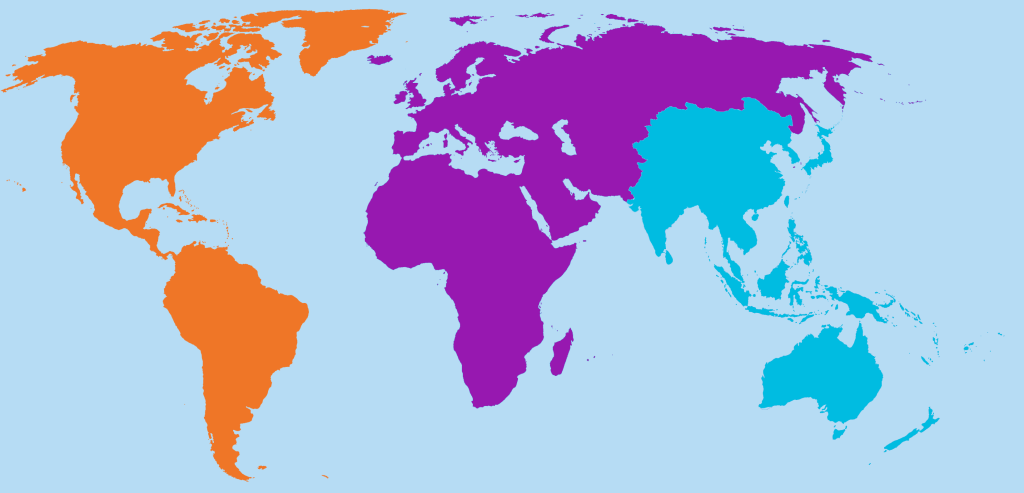
A color-coded map of VCT,
Coming in NA teams were expected to dominate with “super teams” like cloud9, sentinels, and NRG. Along with NA, Brazil’s LOUD would be fighting on home turf after winning it all in last year’s VCT Championship.
Asia Pacific or APAC had a surprising showing during last year’s championships with DRX making it to third place before losing to Optic. Global Esports would also debut as the first team from India to make it to the global stage.
Europe, Middle East, and Africa or EMEA had a poor performance last year compared to years prior but coming in they looked strong with teams like Na’Vi and the always strong Fnatic.
Teams to look out for in the league split
EMEA
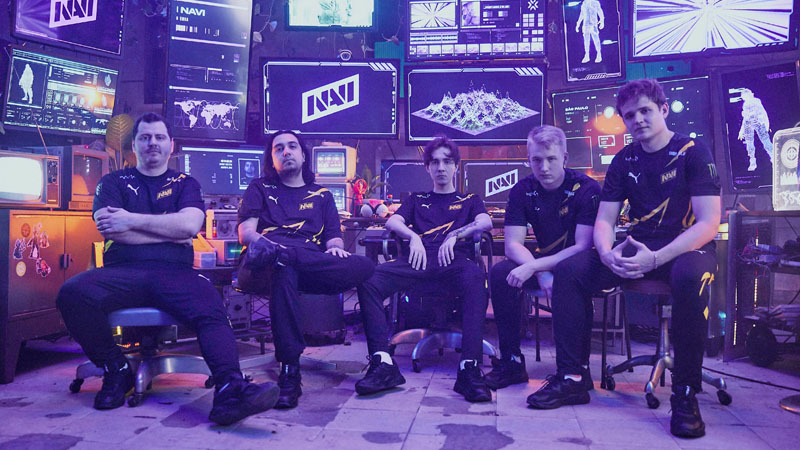
Natus Vincere or Na’Vi is definitely a team to look out for, after picking up FPX’s old roster and ascends’ super star cNed they had a dominant showing during the LOCK//IN making it to the semifinals.
The former FPX star Ardiis, now replaced by cNed a former VCT champion completes what felt like a team that always came up short.
Na’Vi isn’t the only team to look out for in the EMEA league, Fnatic was amazing during the tournament not dropping a game until grand finals. Fnatic’s last map vs LOUD was an amazing performance with them taking 9 rounds in a row and winning in over time.
AMERICAS
Na had the most disappointing performances during LOCK//IN, with Cloud9, Sentinels, 100 Thieves, and Evil Genius’ all being destroyed by DRX, Fnatic, and Talon respectively.
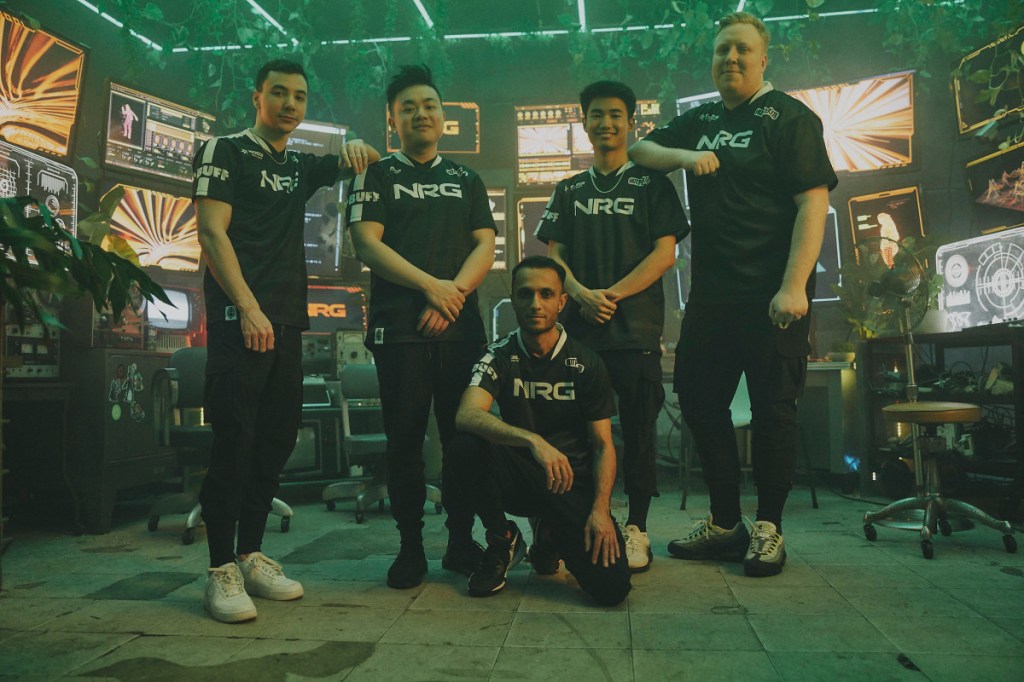
Besides this disappointing performance NRG had a good run and gave LOUD a run for their money. With the new team focusing around Ardiis and former Optic stars FNS, Crashies, and Victor.
As always LOUD had an amazing performance even after losing pANcada and Sacy during the off-season, LOUD played amazingly well and is a shoo-in for Masters later this year.
APAC
Talon had a surprisingly good run during LOCK//IN beating teams like EG and coming close to beating DRX.
Team Secret performed one of the biggest upsets in the tournament beating Team Liquid one of the favorites from EMEA.
You can’t talk about APAC without mentioning DRX, ever since 2022 DRX has been running APAC. No one has ever been as dominant in their respective region except for maybe 2020-early 2021 Sentinels.
DRX came very close to being in the grand final’s versus Fnatic only losing to LOUD in a nail biter of a last game.
RIVALRIES
Fnatic, despite being one of the top teams of EMEA has always been in the shadow of FPX and Sentinels. They lost to Sentinels during their undefeated run in Reykjavik, and all throughout 2022 placed lower than FPX but LOCK//IN was different. Beating Sentinels first round with a clean 2-0 sweep and beating Na’Vi, who picked up the former FPX roster, with another clean sweep, 3-0.
LOUD and NRG, a rivalry so deep it shattered previous records for most concurrent viewers. These two teams may not have played much but the players on LOUD and NRG have a ton of history, the reason? Crashies, Victor, and FNS. These three players beat LOUD during last year’s masters Reykjavik during grand finals back when they were on Optic but LOUD also beat them during grand finals of Champions 2022. During the quarter finals game LOUD set the record straight and beat NRG 2-1.
Short Review For Major Teams
100 Thieves didn’t perform very well, they had two extremely close games and lost in a blow out to Fnatic but I have hope for them during the league split.
EDG showed some of the most unique and fun gameplay, it was a treat watching them compete even though they didn’t make it past round one.
Na’Vi had an amazing performance during VCT LOCK//IN establishing dominance in both Valorant’s competitive scene and CSGO’s.
Fnatic won LOCK//IN for a reason, they’ve worked hard to get this point and are still looking strong.
NRG had a great run and almost beat LOUD losing during overtime in close game that could’ve gone either way.
Talon didn’t make it to the semi finals but still played great, losing to DRX. They will be a team to look out for during the league split.
There isn’t much to say about LOUD, they as always played amazingly well and just barely lost during grand finals
DRX is by far the best APAC team, they are unmatched giants in their region but on the global stage? It feels like they can’t hold their own.
Fnatic‘s Rise to The Greatest
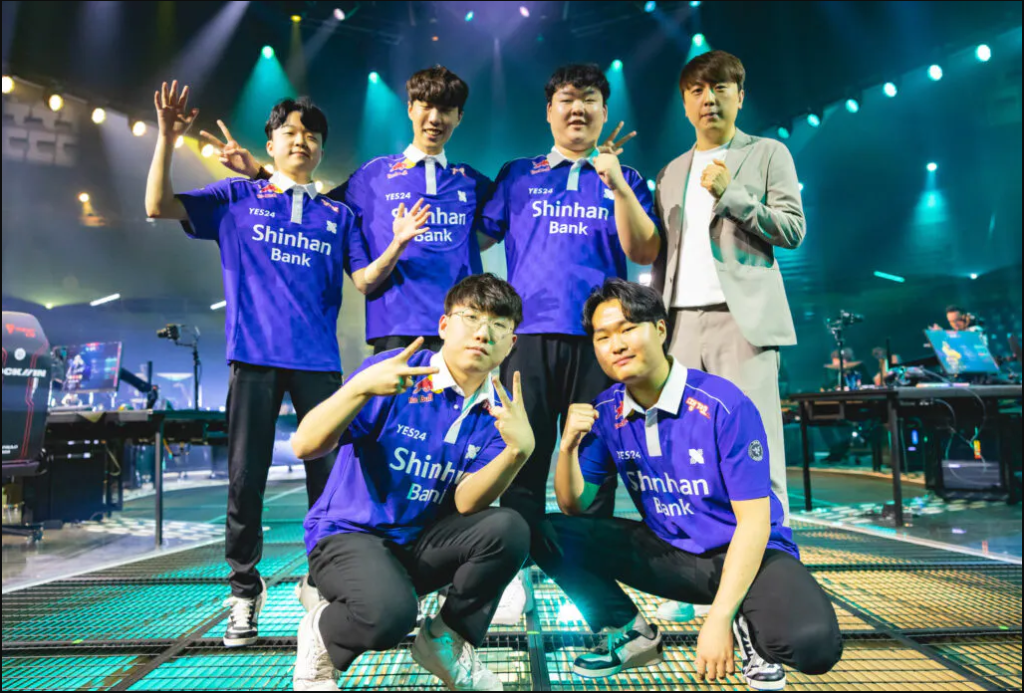
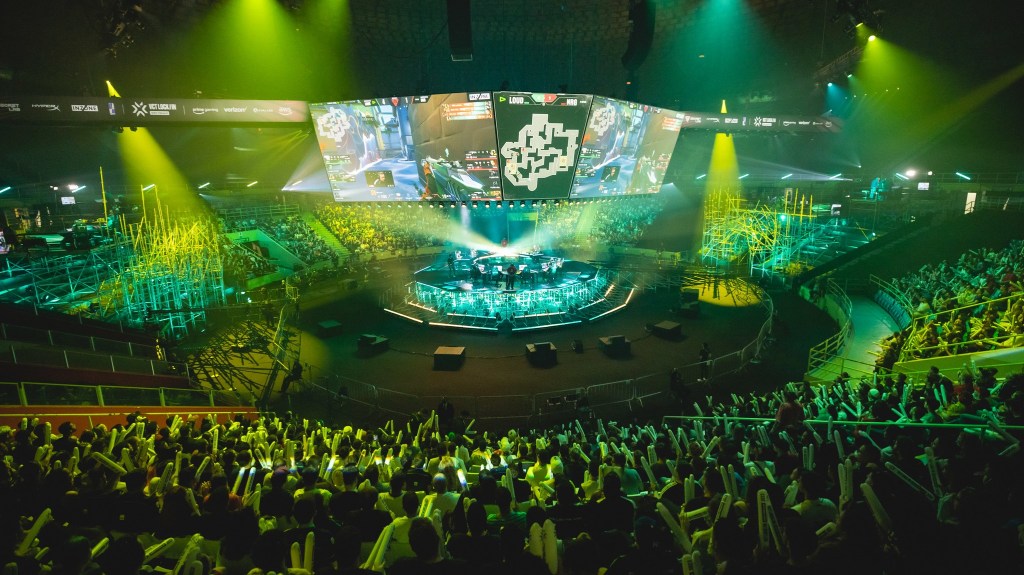
The crowd roars as the two teams enter the packed Brazilian, Sao Paulo stadium. After huddling they sit down at their setups. The massive lights illuminating the arena drown out the gaming monitors’ glow. 10,000 people pack the seats to watch this match. After five, long hours of gameplay the last game of grand finals starts.
Down 11-3, Fnatic have everything stacked against them, the Brazilian crowd roars for every round the European Fnatics lose.
Then Fnatic calls their last time out. The crowd hushes. It’s a brief rest for everyone in the match’s controlled chaos.
Refocused, Fnatic follows through with their coach’s advice and win just one: the first of many they need to have a chance of winning.
Now it’s 11-8, five rounds stolen from under LOUD’s nose. Fnatic builds hope. LOUD worries. The tension is visible as both teams shift in their seats.
11-11, Fnatic needs to win one more round to confirm overtime but it isn’t looking good, it’s a 2v1 and Aspas LOUD’s best is still alive. Alfajer, the 17year-old prodigy from Turkey doesn’t falter, he gets two and takes the lead for the first time the entire game. Screaming out in joy Fnatic players almost jump out of their seats.
Fnatic loses the next round, but it doesn’t matter as overtime has been secured, now only two rounds stood between Fnatic and their first global win. Fnatic isn’t sad or angry about losing the round but instead reaffirming, all that was needed of them was two rounds and Fnatic knew that.
The first round of overtime went Fnatic’s way, everyone in the stadium grew quiet at the thought of Fnatic winning. All you could hear in the stadium was the casters commentating and the players on stage.
Fnatic gets one, now it’s a 4v5, then a 3v5. LOUD starts dropping like flies until only ASPAS is left, the best player on LOUD left in an impossible 1v5. Knowing that ASPAS has clutched situations worse than this, Fnatic doesn’t let up and because of it they win.
Finally, Fnatic triumphed over the mountain that was LOUD, winning the last round flawlessly. Excitement permeates through the entirety of Fnatic, as they went up to accept their trophy, the ever so loud crowd was now silent. Grand finals ended 3-2 in favor of Fnatic, crowning Chronicle as the first person to have ever won two global events and finally giving Fnatic their first and a well-deserved global title.
This issue of the Mustang Post is a special release as we say goodbye to one of our journalists who is moving further into the frigid north. We’ll miss her and her joyful insight into all that is BTS.
This special issue is available now as an eMagazine!
As you may remember, last time I left off on BTS winning Rookie of the Year in South Korea’s Melon Music Awards.
Since then, they’ve proven that was only the beginning of their ascent to global stardom. Record after record, they built their fame, fanbase, and art to something very close to perfection.
That near perfection brought them global attention, spanning their success well beyond the borders of Korea, into Japan, then jumping across the continent to Europe and eventually across the ocean to the United States, Canada, and the rest of the Americas. Truly, they’re a global sensation, unlike those artists fueled by the American-marketing machine.
Perhaps their success goes beyond that. Perhaps they came in at the right time when the world had developed a taste and fascination for Korean culture and art. But that may not be the case. After all, didn’t Wonder Girls attempt to bridge into the states, yet couldn’t, even after getting a Nickelodeon movie? Yes. Yes, they did. BTS? They’ve risen in popularity and improved their craft largely on their own: creating their own music, lyrics, and overall artistic style.
So, let’s take another look at BTS’ discography and the impressive records they’ve achieved with it.
On February 12, 2014, Skool Luv Affair was released. As the third and final album in their “school trilogy,” this album also contained a lot of themes having to do with teenagers. For example, the lead single “Boy in Luv” expresses the experience of love as a teen. The album peaked number 3 on the Billboard World Album Chart, selling a total of 14,852 copies by the end of the year.
On August 20, 2014, their first studio album Dark & Wild was released. BTS were still discussing love, just from the perspective of a young adult. The album peaked at number 3 on the Gaon Monthly Chart for August, selling a total of 51,655 copies in that month. It was also the 14th best-selling album of the year, having sold 100,906 copies by the end of 2014.
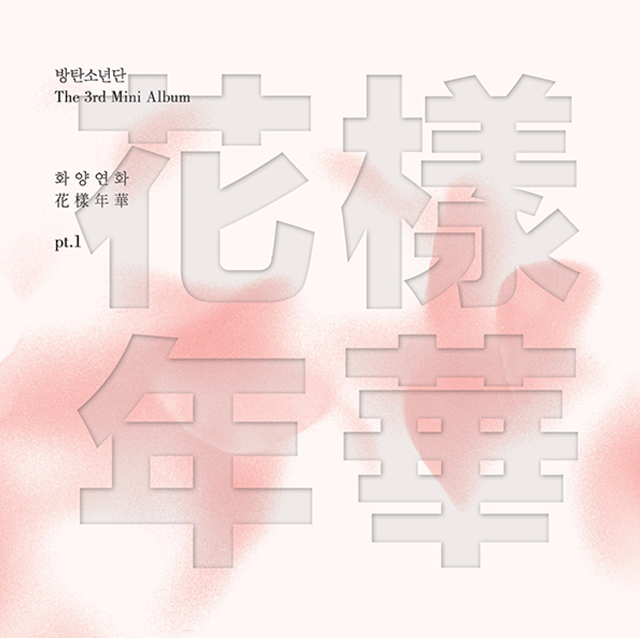
By 2015, BTS were slowly becoming relevant in the K-pop world, and that popularity was only boosted by the release of their third mini album, The Most Beautiful Moment in Life pt. 1, on April 29. This album discusses youth and uncertainty of the future, the boys’ sound shifting from hip-hop to pop. Despite the change, their songs were still lyrically dense and held even darker themes than the prior albums. The title track, “I Need U,” even got them their first music show win.
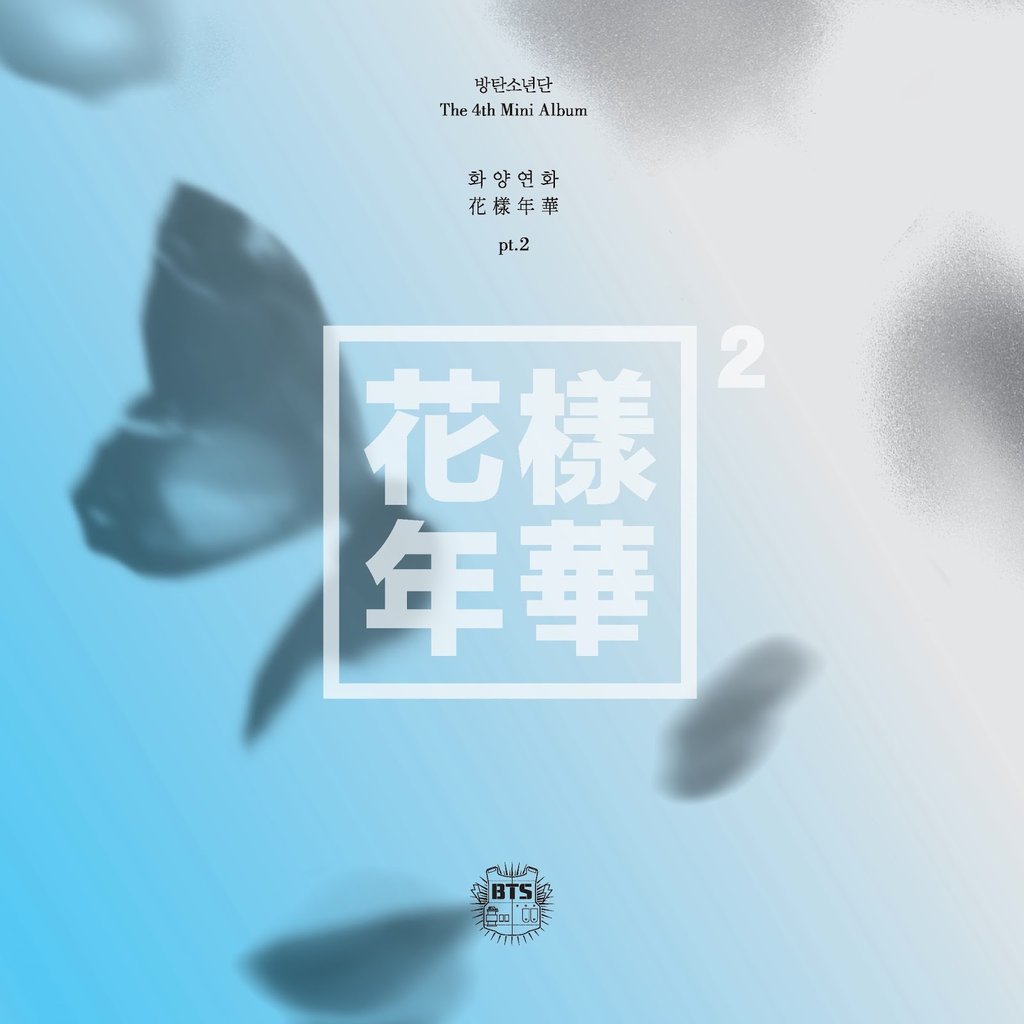
On November 30, 2015, the album The Most Beautiful Moment in Life pt. 2 was released, debuting at 171 on the Billboard 200, becoming the first K-Pop act outside of the big 3 labels (JYP, SM, and YG Entertainment) to do so. As explained by the title, the album is the second part in the HYYH (Hwa Yeon Yang Hwa a.k.a. “The Most Beautiful Moment in Life”) trilogy. As explained by BTS themselves, “Part one explained how youth is tiring and difficult, and it also touched on how we feel like we’re always on edge. Part two will have a more adventurous and daring feel to it. That’s why our title song is ‘Run.’”
The Most Beautiful Moment in Life: Young Forever was released on May 2, 2016, debuting at number 107 on the Billboard 200 chart. The album had sold 300,000 copies in pre-sales after less than a week, topping the Gaon Monthly Chart in May with a little over 310,000 albums having been sold. This album even got BTS their very first Daesang, the highest award an artist can win at a Korean music show, on November 19, 2016. They were the first group in multiple years to have gotten a Daesang while under a label that wasn’t one of the big three. The boys now have over 60 Daesangs, and to put that into perspective, the group with the second most Daesangs has 23 in total.
Later in 2016, on October 10, Wings was released, debuting at number 26 on the Billboard 200 chart, becoming the highest charting K-pop album at the time. The album is about temptation, and as Namjoon explains it, “The harder a temptation is to resist, the more you think about it and vacillate. That uncertainty is part of the process of growing. ‘Blood Sweat & Tears’ is a song that shows how one thinks, chooses, and grows.” The music video for the title track, “Blood Sweat & Tears,” has allusions to the novel Demian, a book about self-discovery inspired by Jungian psychology.
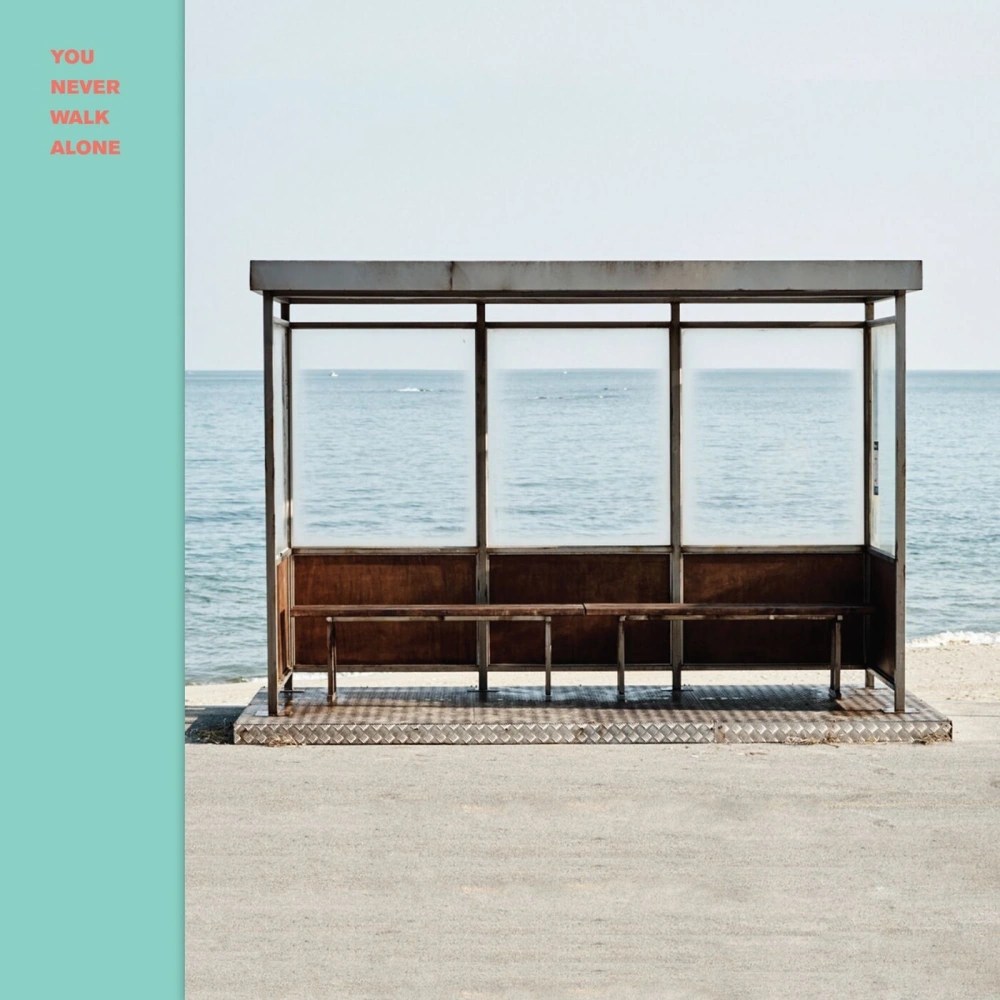
You Never Walk Alone was released on February 13, 2017, and was a repackaged version of Wings, with four new songs added. The lead single, “Spring Day,” is the longest charting song in Melon history, having spent over 300 consecutive weeks (five and a half years) on the Top 100 Melon Weekly Chart. The song is about longing and was revealed to be inspired by Namjoon and Yoongi losing their friends. In an interview from November of 2020, Namjoon said, “…I had friendships that meant a lot to me back in the day. But once I moved to Seoul and started my traineeship, I kind of drifted apart and eventually lost them.”
Love Yourself: Her was released on September 18, 2017, as the first album in the Love Yourself trilogy. The album expresses the anxieties and joys of falling in love, this idea further highlighted by the title track, “DNA.” Namjoon claims the song depicts a young, passionate love, and that it’s vastly different from their earlier releases. The album ranked number 1 in 73 countries, debuting at number 85 on the Billboard Hot 100. It was the highest selling album of September that year, with 1,203,533 copies sold.
The group’s third full-length album, Love Yourself: Tear, was released on May 18, 2018. This album has a much more somber tone in comparison to the earlier album in the trilogy, particularly within the title track “Fake Love,” which is about the loss of identity that follows holding onto a toxic relationship. This album sold 1.44 million copies in the first six days of its pre-order period, and it earned them the top spot on the Billboard Top 200 and the first Official Million Certification from Gaon.
On August 24, 2018, the final album in the Love Yourself series, Love Yourself: Answer, was released as a compilation album, which included seven new tracks. The album focuses on themes of reflection, empowerment, and most importantly, self-love. Love Yourself: Answer sold more than 1.51 million copies, surpassing Love Yourself: Tear as the most pre-ordered album in South Korea. On November 7, 2019, it became the first Korean album to spend an entire year on the Billboard 200, this record only being surpassed by themselves with Map of the Soul: 7.
On April 12, 2019, Map of the Soul: Persona was released, with various influences from philosophy (microcosms), Greek mythology (Dionysus), and psychology (the book Jung’s Map of the Soul, as shown by the title of the album). The day prior to the album’s release, 3.07 million copies of it had been preordered, and upon debut, it made BTS the first band since the Beatles to have three number-one albums in under a year.
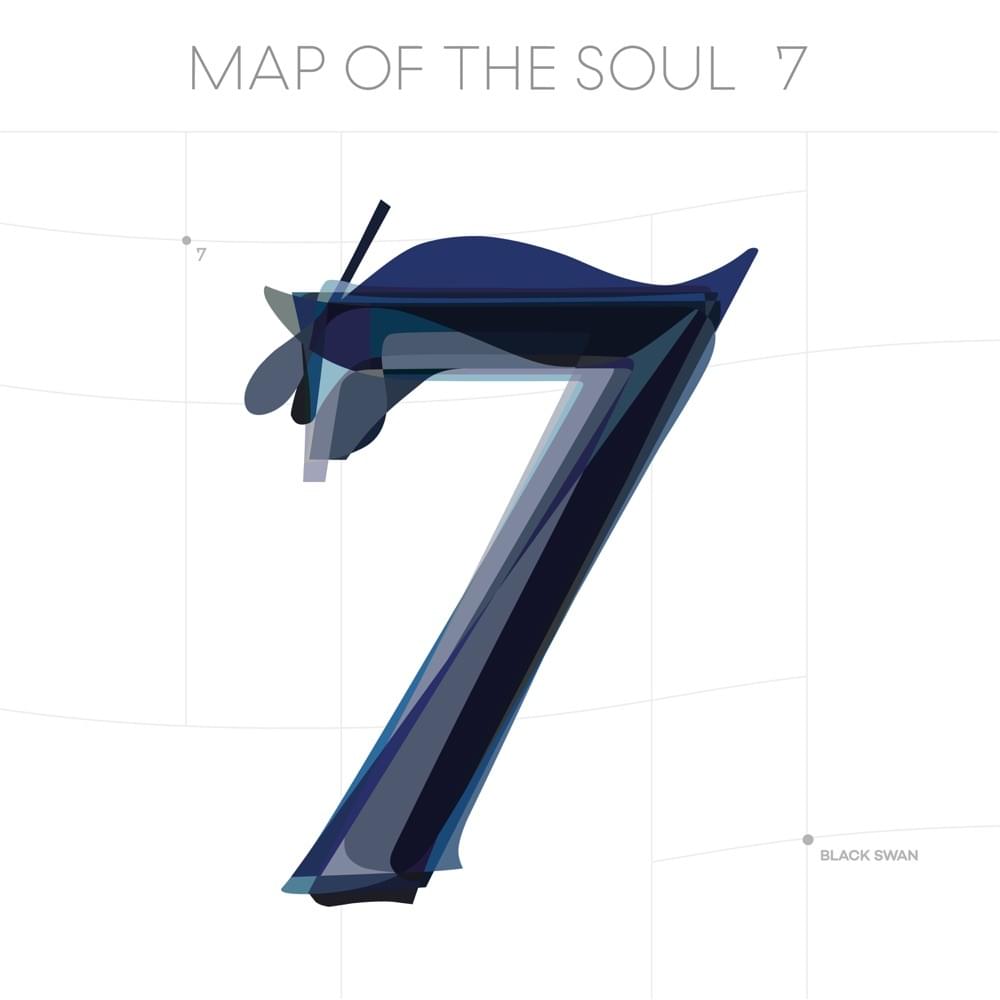
Their first pre-release single, “Black Swan,” was made available for download and streaming on January 17, 2020. The song discusses the band’s fear of losing their passion for music, with lyrics such as “the heart no longer races when the music starts to play” and “if this can no longer resonate, no longer make my heart flutter, then perhaps this is how I die my first death.” The latter is a reference to a quote by Martha Graham: “A dancer dies twice — once when they stop dancing, and this first death is the more painful.”
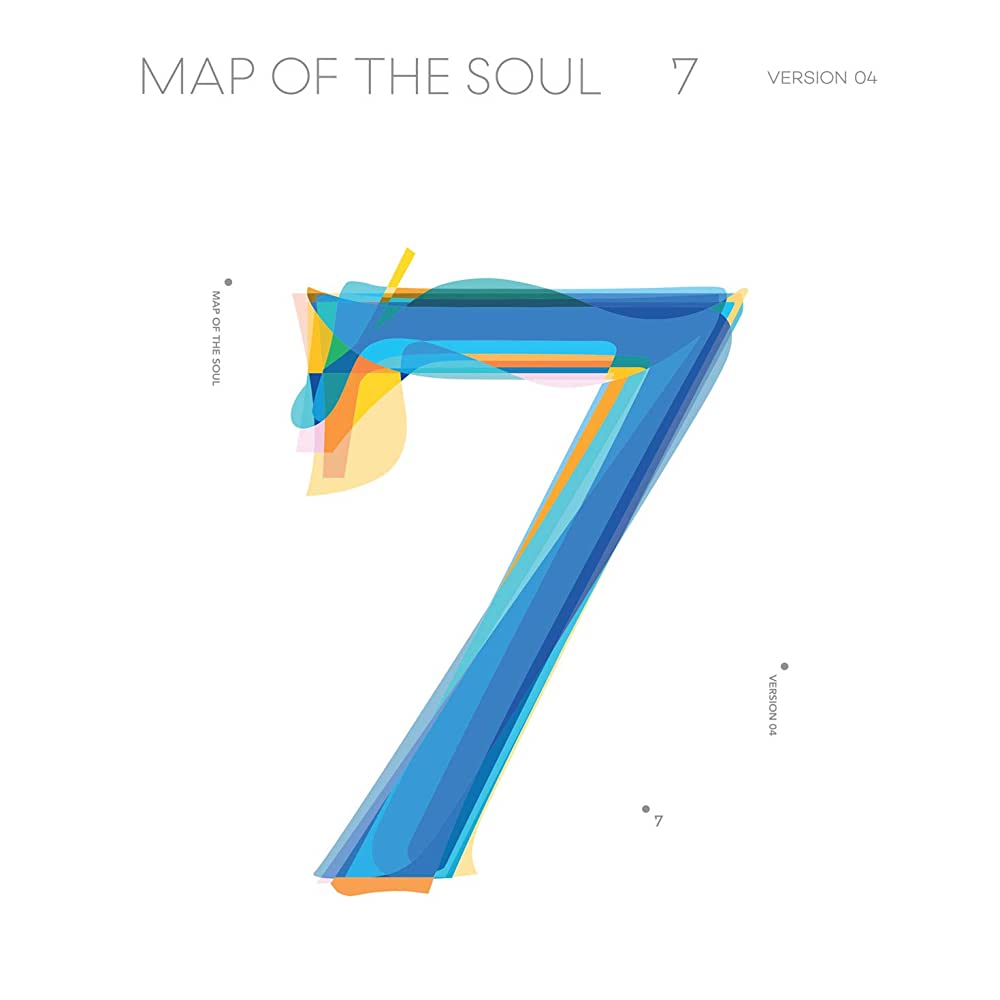
Their fourth full-length album, titled Map of the Soul: 7 (in honor of the seven members of the group and their seventh anniversary together), was released on February 21, 2020. The album was meant as a final sendoff before Seokjin’s enlistment into the military, which was later postponed due to the pandemic. It topped IFPI’s Global Album Sales Chart and Oricon’s mid-year Album Chart ranking, making them the first foreign artists since Michael Jackson to do so. It also became the first album to be certified as Quadruple Million by Gaon.
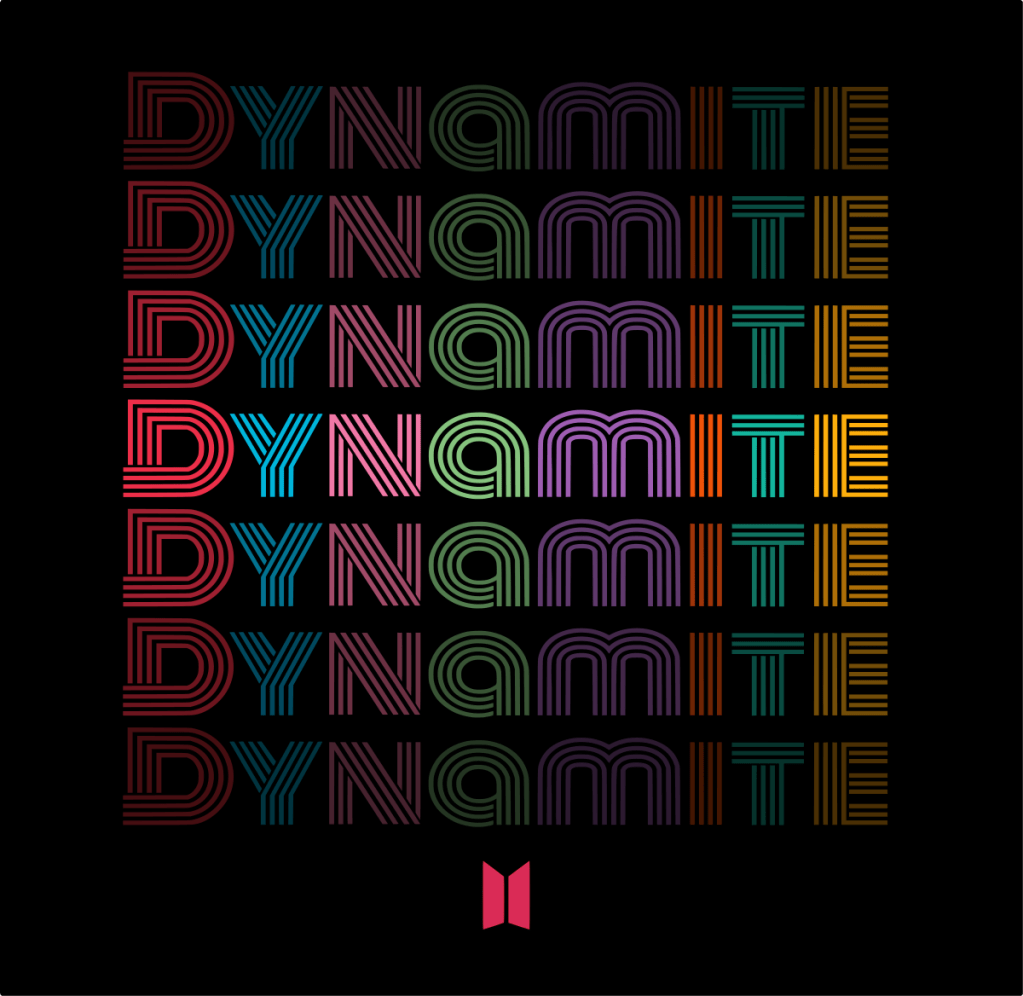
BTS’ first English single, “Dynamite,” was released on August 21, 2020, and is likely the song you’re most familiar with. The song was intended to uplift the public during the rough pandemic, and it quickly blew up. “Dynamite” got them their first Grammy nomination, helped them achieve a Daesang sweep (when all Daesangs are won by the same artist), spent 32 consecutive weeks on the Hot 100 chart, collected 7.78 million streams on the first day, and at one point was the most viewed YouTube video in 24 hours (though this record was later surpassed by their own song, “Butter”).
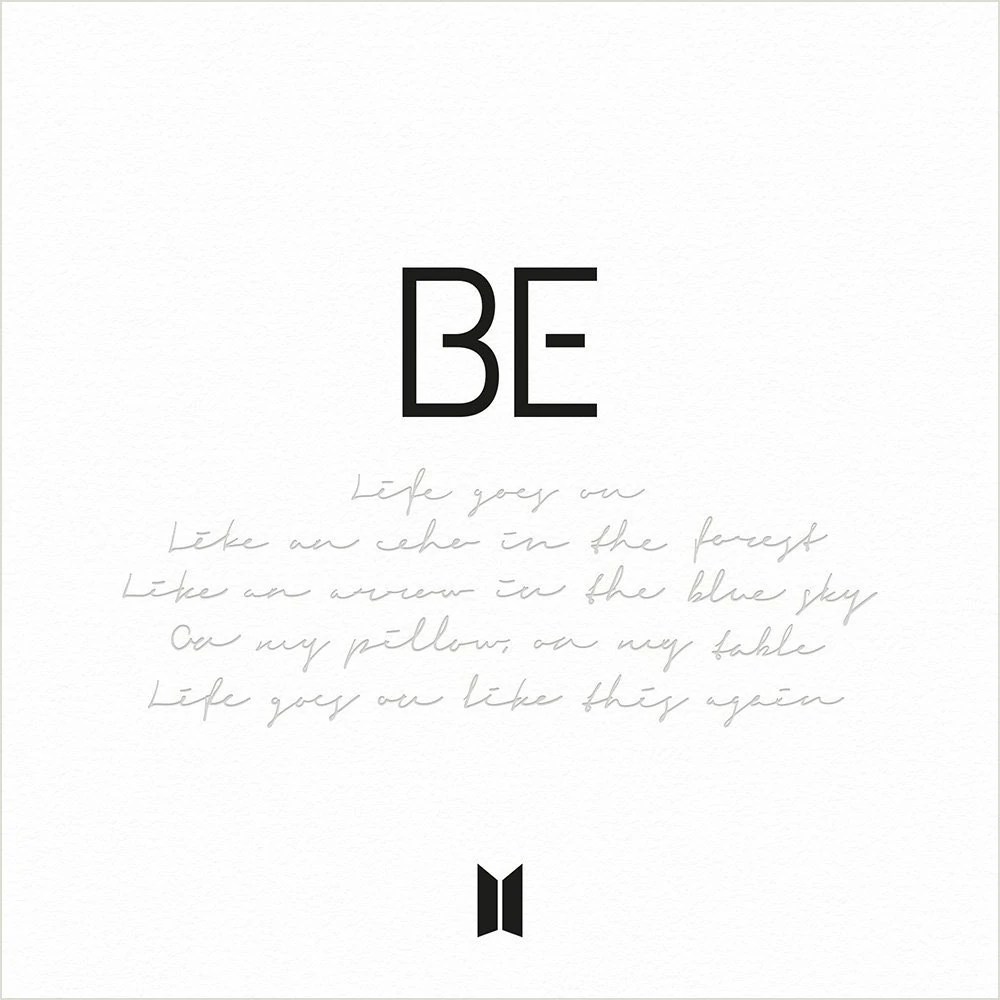
BE, released November 20, 2020, was an album released to help those struggling with the sudden pandemic. “Dynamite,” initially an independent single, was included as the eighth track on the album. With this album, they became the only artists apart from Taylor Swift to debut at number one on the Hot 100 and Billboard 200 simultaneously. It also made them the fastest group to have five number-one albums since the Beatles. “Life Goes On,” the album’s title track, became the first non-English song to debut at the top spot on the chart. The album also claimed the second spot on IFPI’s Global Album Sales Chart for 2020, making them the only artist to have multiple albums listed.
“Butter,” the group’s second English single, was released on May 20, 2021. Meant to be a fun summer song aiming to be easy to listen to, it quickly became a hit, with over 108 million views in its first 24 hours and ten consecutive weeks on the Billboard Hot 100. Not to mention it still holds the record for the most-viewed music video in the first 24 hours.
“Permission to Dance,” released on July 9 (a.k.a. ‘ARMY Day’), celebrates diversity as well as uplifts spirits. The song features an optimistic message of hope and encourages listeners to let go of their worries and dance. Like “Butter,” “Permission to Dance” was also released in English, signaling the group’s continued efforts to connect with their global fanbase. While its performance on the charts was not as impressive as “Dynamite” or “Butter,” it still managed to debut atop the Hot 100 chart.
Their most recent whole-group album, Proof, was released three days prior to their 9th anniversary as a group on June 10, 2022. The album includes a re-recorded version of their unofficial 2013 song “Born Singer” (based on “Born Sinner” by J. Cole, which was included with his permission), five new tracks (two of which are only available on a physical copy of the album), the solo and sub-unit songs the members picked themselves, all their title tracks, and eleven demos (also exclusive to the physical album). The album sold two million copies on its release day alone and peaked at number 1 in eighteen countries.
BTS’ discography is a testament to their artistic vision, creativity, and dedication. Over the years, they’ve continued to push boundaries and break records, setting new standards for what a K-pop group can achieve. And although the rest of them will be entering the military shortly, they are not done for good. There’s a high chance of a comeback in 2025, and there will be updates posted throughout the next few years.
Last month we looked at K-pop’s rise to fame not only in South Korea, but internationally as well, and why so many have taken to the community. BTS was a huge help in this popularity surge, but how did they become the powerhouses in the industry that they are today?
BTS shortly after debut
It all started with Kim Namjoon. At thirteen, he became an underground rapper, his prominence within the community growing over time. He was invited to audition for an underground hip-hop agency, and one of the judges (Sleepy from the rap duo Untouchable) was so impressed with Namjoon’s skills that he referred him to Bang Si-hyuk, the CEO of Big Hit Entertainment. Namjoon ended up auditioning for the company, becoming the first member of BTS.
The second member to join was Min Yoongi, who was active as a rapper and producer under the name ‘Gloss.’ He had made a name for himself as a member of a group titled “D-TOWN” (named for the city, Daegu, where the group originated). At seventeen years old, he tried out for Big Hit Entertainment after seeing a poster advertising the auditions. He ended up getting second place and joined the agency as a producer. He was later “tricked” into joining BTS, becoming the group’s second member.
Jung Hoseok, despite being one of BTS’ rappers, wasn’t in the underground hip-hop scene like Namjoon or Yoongi. In fact, he was a street dancer in a dance team called Neuron. He auditioned for one of the largest companies in K-pop, JYP Entertainment, though he was rejected and later decided to give Big Hit a chance. He had plenty of potential, so Si-hyuk didn’t hesitate to accept him into the agency as a trainee. He almost wasn’t included in BTS’ lineup, though Namjoon convinced the company that the group needed him, and so he became the group’s third member.
Kim Seokjin, the band’s fourth addition, wasn’t planning to have a career in music at all; he was an acting major with no experience in singing, rapping, or dancing. A Big Hit representative saw him exiting a bus and persuaded him to sign on with the label, and through eight months of hard work and dedication, Seokjin managed to perfect the pristine vocals he’s known for.
Jeon Jungkook, the youngest member of the band, was only thirteen when he auditioned for a show called “Superstar K” in his hometown of Busan. He was eliminated from the competition, though seven agencies scouted him in hopes of signing him to their label, one being JYP Entertainment. Why, then, did Jungkook turn down most of those offers and choose to sign with Big Hit? Well, as said by Jungkook himself, “I thought Namjoon was so cool, so I wanted to sign with them. I told my parents that I wanted to join, and so I signed.”
Kim Taehyung, the sixth member to join the group, came to the auditions in Daegu to support a friend of his. He didn’t plan on auditioning, though a staff member encouraged him to try out, so he got permission from his father and auditioned on the spot. He passed the audition and was welcomed into the company, though he was kept a secret until eleven days prior to their debut.
Park Jimin was encouraged by his dance teacher to audition for Big Hit due to his raw talent, and he passed. He became a trainee, though he was nearly kicked out about eight times due to several people thinking he would do poorly in the group. Thankfully, he was included as the seventh and final member of BTS.
BTS celebrating winning Rookie of the Year
They debuted on June 13, 2013, as “Bangtan Sonyeondan,” translating to “Bulletproof Boys,” with their album 2 Cool 4 Skool. Selling 24,441 copies in total, the album was placed at number 65 for Gaon’s 2013 year-end album chart, which was good for a rookie group not under the Big 3 (JYP, SM, or YG Entertainment). The title track, “No More Dream,” criticized the way society views dreams and aspirations, a theme reflected in quite a few of their later songs.
Later that same year, on September 11, their album O!RUL8,2? (Oh! Are you late, too?) was released. The album debuted at number 4 on the Gaon Weekly Chart and ended the year as the 55th best-selling album in South Korea. The title track, “N.O,” goes into detail about how the school system forces children to ignore other aspects of life in favor of studying and becoming “the best.” On November 14, 2013, they won the “Rookie of the Year” award at Melon Music Awards, proving their hard work had paid off.