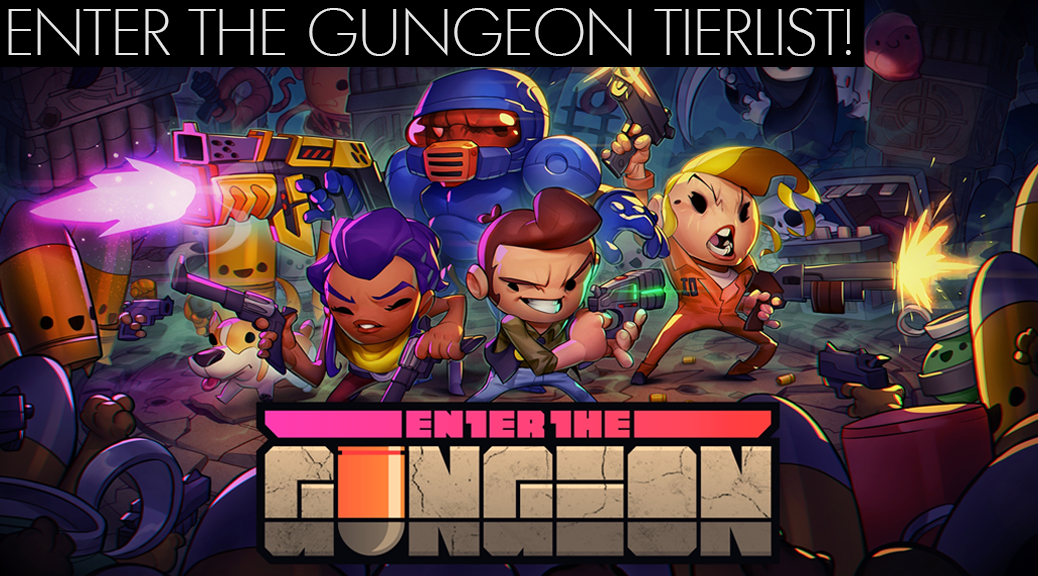
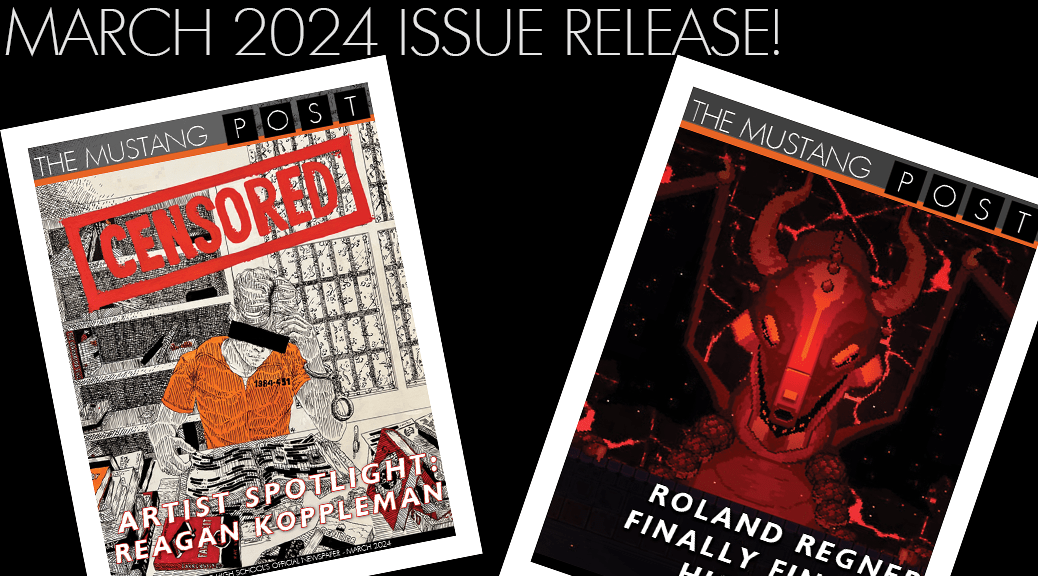
The final version of Roland Regner’s Enter the Gungeon Tierlist is released!
You can find it here.


EPISODE SIX: Persona Impacts Art
By Dairell Alvarico
Hosted by Dairell Alvarico
Official Transcript:
[THEME SONG – KOLBY THOMPSON.]
Dairell Alvarico:
Great to see you all again everyone. Here’s to our second year with our new format: Podcasts.
I am excited to introduce the first episode for the year, one that dives into the art scene, more specifically the impact of someone’s persona when it comes to creating art, the personalization of intricate details and how life experiences and preferences shape the focus of a canvas.
Welcome to Sheyenne Perspectives from Mustang Post News, I’m Dairell Alvarico.
Dairell Alvarico: Creativity in the form of art can show how diverse society can be. A lifestyle, a talent, some personal affiliation that makes someone who they are. In all four corners of the world, creativity can be sought and shaped. From the first line of a child’s drawing to the beginning stitches of a single crochet.
It would be no surprise that in the very walls of Sheyenne, creativity runs a great deal among the students. Take, for example, our Artist Spotlight on last year’s issues, previous talents such as Field, Karianna, and Brianna were, rightfully so, displaying their amazing art on The Mustang Post.
When it comes to their implications and moral messages, it was definitely not scarce. Their works were brimming with their own personal touch, an element that makes an artwork distinct from its peers.
Throughout time, different artworks can reflect an artist’s persona and experience. In this episode, we delve deep into the personal aspects of art and its creation, and answer the question: how can a work of art mirror a student’s diversity?
In order to gain more insight on this topic, I have gathered people who are familiar with art and creativity and can give a broader perspective about it.
Reagan: My name is Reagan Koppelman, I’m a junior.
Autumn: My name is Autumn Radebaugh, I’m a senior.
Ms. Murphy: I’m Miss Murphy, I’m an art teacher here.
Dairell Alvarico: Art has different meanings for different people: it is ambiguous, it’s fluid and diverse and is sprinkled with details that derive from a person’s interests and experiences. This concept is the basis of what persona can do to influence art, and it is very much so with their unique responses to my simple question: what is art?
Reagan: For me, Art is I guess primarily like a hobby.
Dairell Alvarico: That’s Reagan Koppleman.
Reagan: Like a way to express myself and just like cool off like aside from just like basic like primarily academic focused classes art is like a way to like channel basic my views and like the things that I think in like a constructive way which can also just be fun, win awards, stuff like that.
Dairell Alvarico: Reagan focuses more on portraying what he sees of society’s affairs and how he can express his perspective of it visually. His view on art leans towards it being a medium, his works are tied to his beliefs… a frame of reference of the outlooks he has on topics that are prevalent for editorial cartoons.
Reagan: Last year, I didn’t do arts I got back into it this year with an independent study with Ms. Hopper and the first piece I did it’s what I’ve been thinking for a bit it’s called “Night of the Woke” right now, it’s over at MSU and it’s basically its a political cartoon in the style of like old like 50s pole- poor comic and it’s basically focuses on like my views and it’s kind of like a criticism of like fear mongering used by like the GOP and stuff. Like within schools to express their own agendas and to marginalize different communities and stuff.

Dairell Alvarico: Autumn has a similar attitude towards art, however her point of interest is on spreading the appreciation of beauty.
Autumn: I feel like a big thing for art for me is like, In Senior Comp. we did like uh a little thing . Where we like picked three of our biggest values and one of the ones I picked was beauty because I feel like , there a lot of like importance in appreciating the beauty of like, not only of the outside world but also like, focus on inside everyone’s minds and stuff so I feel like a big part of art for me is recognizing and spreading beauty.
Dairell Alvarico: Beauty is everywhere in art, it’s the fire that motivates society to turn their heads and admire the work artists put and yet beauty isn’t the only response art creates: revulsion, disgust, confusion, introspection, and much more.
Those responses, from enrapt beauty to rejection are difficult to portray, but how does an artist get to the point where they can make an audience respond the way they intend? Perhaps it has something to do with an artist’s growth, their development of style and skill that translates into audience manipulation as they develop their persona throughout the years.
Ms. Murphy: I think art can really be a great way to reflect society, uh where we’re at as a species along with like you know the personal venture that people have with art work.
Dairell Alvarico: As an art teacher, Ms. Murphy has observed what students can do as they slowly understand their potential and what they can pursue…when it comes to filling a blank canvas. Reagan and Autumn definitely fit the bill seeing as she spoke with her arms raised to gesture to them both.
Ms. Murphy: At this point in their lives um you know teenagers are really figuring out how to express themselves through their own personal lens um so I think that comes out through their artwork and I think especially these two how they see the world and interact with it.
Dairell Alvarico: Expression is what a teenager holds close to their heart, it’s part of the stepping stones that lead them to discover who they are and what they want. In this phase of life, they discover the deeper intention of the world’s angle: Socially, psychologically and politically.
Ms. Murphy held true to her words FOR not long after, the two students shared their inspirations that were brimming with their own personal touch, and of what connection they have with their work that’s parallel to their own lives.
For instance, Autumn previously shared that she recognizes and spreads beauty, and that made me wonder. How does she convey that in her art in regards to that?
So of course, I had to ask her.
And when I did, she leaned forward into the mic, her face deep in thought.
Autumn: I suppose, I have a work in progress right now where it’s um. It’s a sculpture of a girl and she’s like standing in water and screaming basically and I’m going to like paint the surface of the sculpture with oil paint and it’s going to depict um like a family on the ocean on one side and the other side like somebody alone on the other side and that one has a lot more meaning because it’s like, for me it’s about my relationship with like home. I’ve always felt drawn to the ocean and it always felt like home.

Dairell Alvarico: There is beauty in knowing that home is where the heart is, and yet within the heart bears the feeling of desolation where one can truly feel alone, so much that you can even almost scream.
However no matter the agony, as long as there’s a door that welcomes you, as long as there is the familiar warmth of an awaiting embrace. A family, you can’t truly be alone despite being oceans apart. You’re drawn in, the unbending connection of tranquility, comfort, and contentment. A sorrowful thoughtfulness that emancipates the hidden beauty of home.
As for Reagan, his inspiration originates directly from the environment he grew up in, and the dynamic within his family.
Reagan: I only started pol cartoons recently but I guess my dad, my grandpa, they’re both politicians. My mom was a paralegal so I had lots of connections to like government and law. Um and I guess and also being in things like debate, speech and like student congress now I recently started mock trial team uh I guess politics have always been central in my life it’s just only now I’ve really started expressing my own views on them.
Dairell Alvarico: The amount of key elements in Reagan’s life, such as the extracurricular activities he joined and the career of his parents and grandfather have helped bolster his ideal standing when it comes to expressing his art.
The political agenda, its effect in society and all the branches under the umbrella term has created leeway for Reagan’s creative undertakings to be manifested into canvas.
What he has learned from his family, his clubs and personal journey has formed his own take of what he perceives of politics. It merged with his persona, his way of thinking and what he believes in. Dabbing in politics is a huge chunk of his persona,
and to take it further up a notch, he expands his agenda with illustrating ideas to make it visional, with its own straight to the point message.
Reagan and Autumn are like two sides of the same coin. They love art, that’s evident enough, they love to create, to make their ideas a reality. It is what makes them stand out, to be their own person and Ms. Murphy couldn’t agree more.
Ms. Murphy: But definitely especially with these two being a junior and a senior you see some deeper development and personal voice in their work. Um, and even just now sitting here listening to these two talk about it. I was like, oh yeah of course.
Dairell Alvarico: But how can these two be so different from each other? What makes them unique? What can they do to further express themselves in the long run?
I turned to Ms. Murphy again, knowing that she would have the answer to that.
Ms. Murphy: Autumn’s soft sensibility I think is also present in her work and um it’s really exciting to see that happen. I know Autumn’s interested in career in art um looking into that so definitely for her, like developing a portfolio, having a strong voice, those are things that will help you get into a solid art program, and um just learning to think like an artist I think is really important for everybody.
Ms. Murphy: Reagan’s sense of humor I think is very present in his work. I don’t really know what Reagans gonna do with the rest of his life, but um again developing critical thinking skills, uh taking feedback, being able to dissect the world around you are all important skills that adults need.
Dairell Alvarico: How marvelous it is, how intricate yet passionate that in the art scene anyone can do anything with what they want to express, what they want portrayed to the rest of the world. Sharing a part of themselves that is so personal and important, that harnessing the imagination of its agenda results in multiple paths of articulate meaning.
Every time you walk past an art gallery full of works from various artists, even the displays outside by the 1202 art room in Sheyenne, you are unraveling someone’s growth and diversity that led them up to that point. With your own eyes, you are witnessing someone’s identity.
May it be a sculpture of a woman screaming in water, or a depiction of school censorship on watercolor papers or Bristol boards. The diverse results that are presented to the public is more than just work, it’s an artist’s personality, their experience, their life. Look closer into it and you can see truly how persona can impact art.
[THEME SONG – KOLBY THOMPSON.]
Dairell Alvarico: This podcast was recorded and edited by Dairell Alvarico.
Sheyenne Perspectives theme music was composed and performed by Kolby Thompson under the direction of Mark Berntson. Thank you, Reagan, Autumn and Ms. Murphy, for sharing their wonderful thoughts and experiences.
So long, everyone. We hope to see you on the next episode of Sheyenne Perspectives.
This has been a production of Mustang Post News.
It’s been a long time since we at the Mustang Post released a magazine, let alone an article. But now we will have a STELLAR RETURN TO FORM. Probably. Which you can read here!
Personally, I’ve been busy working on a new podcast in collaboration with Roland and Chad where we debate useless things like which food is better.
Plugging my own project aside, I should explain why this magazine is so late.
Podcasts!
Most of our staff have been working on podcasts that (hopefully) will be released soon but no guarantee! Our website has also been a bit bare with our last post being about the November magazine. This should change soon. After our upcoming magazine is released, we will start releasing blog posts for the articles again.
Have a great spring and thank you for reading our magazines!
With much thanks,
Logan Jacobs

Dear Readers,
After a long wait the Mustang Post has published articles again. Slowly but surely our new journalists have learned and refined their writing and been working diligently toward publication and release. Now after a long wait you can read the new issue here!
With these new students comes a few new editors, previously Hailey Boehme had been the sole editor but now with her recent departure from the Post and an influx of new students three of us have stepped up to editor position.
You may recognize two of us who have taken on the role of editor from the past years: Dairell Alvarico and me, Logan Jacobs. In addition, Roland Regner will be taking on editor responsibilities. He may not have written for the Post in the past, but his expertise in Adobe and writing will be a welcome addition to the editorial team.
While most letters from the editor will be written by me, there may be a few interjections from the other editors to bring them into the mix. But for this first letter, I would like to have the other two editors introduce themselves. With that preamble out of the way, I will let them take it away.
Greetings from the Mustang Post and cheers to a new school year! I just want to say that it is an honor to be one of the editors. As Logan mentioned, nearly all of the letters from the editor will come from him, mostly because I will be hosting on our recently added format: PODCASTS. It is now our second year with this feature in tow, with the last theme being Sheyenne Perspectives. Now that we have multiple new additions to the team, more episodes tackling different themes will be published throughout the year and I can’t wait for you to give them a listen, so be on alert for new content!
Best Wishes,
Dairell Alvarico
Hey! It’s me, that new guy helping with editing for the Mustang Post! First of all, I’d like to thank you for taking some of your time to not only check out this magazine, but also for reading the entirety of this Editor’s Note; if you made it this far and are still reading this, then you are officially cool. Anyhow, it’s a pleasure to be a part of the editing team! This year I’ll be attempting to focus my efforts on helping others (as well teaching myself) to work with Adobe Premiere and Adobe Audition for the purpose of Video Production, as well as helping with some of the Podcasts. If things go according to plan, hopefully we will have another form of media to add to the Mustang Post, so stay tuned if you are interested!
Yours Truly,
Roland Regner
The end of this letter is fast approaching but before it’s done, I would like to extend one more thanks to the readers that make running this website possible.
With much thanks,
Logan Jacobs

By Dairell Alvarico
Fresh leaves fall ever so slowly, perched on rooftops and uneven ground; they leave a lingering scent of soil and nostalgia as they dance around the scenery with orange, red, and brown; it gives the landscape before you a sad yet ludicrous tranquility.
The breeze picks up, swaying leaves that were still clinging to the trees with all their strength; some do stay resilient, but only for a passing moment when another wave of wind shakes the trees to its submission.
Autumn is blooming at its finest, with reasons that vary depending on the person. Whether it be the anticipation of Halloween and all its creepy concepts, savoring the creamy taste of some good pumpkin spice latte, or just the overall feeling and aesthetic of a season that is beautiful from top to bottom.
Everything is the same but so different. A walk in the park, driving downtown, or sitting on the balcony. Normally, these probably wouldn’t be so out of the ordinary in the spring and summer, or even when the snow hits.
Then fall comes with its warm palettes gifted to us in a neat ribbon, there comes along the feeling of peace; the sense of centering ourselves in the middle of it all, taking it all in. A theme of self-meditation, the focus on one’s spiritual reason, and taking a trip down memory lane to simpler times.
The urge to take your phone out and listen to the traditional “autumn” music on repeat is instinct: Roslyn by Bon Iver & St. Vincent or the famous Cardigan if you’re more of a Swiftie than a lover of Twilight.
But have you ever stopped and wondered why these songs fit the vibe of this season? Why is the meaning of these songs and the feeling that comes along with it amplified so much?
We can take it from a lyrical perspective or an instrumental one, possibly both. For example, Taylor Swift’s Cardigan is more focused on first love and heartbreak in which she portrays these emotions as bittersweet.
And quite frankly, you can listen to this song on any season, but the way she expresses it turns its tune melancholic. Her lyrics become a moment of reflection, a song that resonates more than usual while gazing at autumn leaves, feeling the cold wind nip your nose as you admire the world around you covered in golden. The mood and the song, like two puzzle pieces that fit together perfectly.
In hindsight, it would be a shame to have a meaningful depth of such a general overview of indie songs without harnessing the full potential of what you can discover with a few artists who deserve a little bit of love and appreciation towards their numbers.
Understanding the messages they have been illustrating, through their words and melody. To answer the question as to why it is a perfect listen for a season that is the epitome of reminiscing life.
Obstacles by Syd Matters
A song made by a French band who got their name by clashing two names of Pink Floyd members: Syd Barrett and Roger Waters. They debuted in 2005, consisting of six people: Jonathan Morali, Jean-Yves Lozac’h, Olivier Marguerit, Remi Alexandre, and Clement Carle. When it comes to composing music, they like to add slow melodies with a little flair of electronic pop to it, creating a unique tune that is somber but at the same time, something you can jam to.
If you already knew Syd Matters, then you would agree that this song is what they’re most well-known for. Obstacles was featured in the award-winning game, Life is Strange and would be considered its signature song by the fans. The general opinion of this song is mostly, “nostalgic” and “mesmerizing,” this could have been influenced by the melody; it is memorable, repetitive, and mixes beautifully as the song progresses.
“We played hide and seek in waterfalls
We were younger, we were younger
Someday, we will foresee obstacles
Through the blizzard, through the blizzard”
The lyrics are just as profound. The bittersweet flashbacks of childhood and all its ups and downs. Growing up, it was inevitable to make fast decisions and be unaware of the world’s reality. It may not have been a big deal back then, but as of this moment they come along with a sense of longing.
That thought also comes with the awareness of maturity and growth. Being older now, going through obstacles is easier, smoother compared to what we knew as a kid. But now with much more wisdom under the belt, it isn’t as difficult to understand.
Growing up and moving past the hardships of life while looking back on the times when we were younger, and more naïve compared to where we are now. Autumn has a theme of reflection along with reminiscing of the past. The raw sentimentality of “Obstacles” fits into that perspective with flying colors.
Long Lost by Lord Huron
This band probably rings a bell, it’s because Lord Huron is the same group who sang The Night We Met which was released back in 2015 and is a popular audio piece in media. Debuted in 2012, with four members (Mark Barry, Miguel Briseño, Tom Renaud, and Ben Schneider) they are an indie-folk-rock band that create songs using their strong point of harnessing the deeper meaning of life into lyrics people can contemplate on. With the sheer amount of attention they are getting from their popular songs, it has become easy to overlook their more underrated work in comparison.
Long Lost fits the bill on this one. The song focuses on freedom and self-discovery, how one goes on their own path to find themselves in a journey only they can take.

“Leave me where the light pours down
Through the trees like rain
Let it wash over me like a flood
Let it ease my pain
Let it drown me”
It portrays the feeling of finally belonging somewhere where someone can keep to themselves, without the desperation of company. To be in a state of pure happiness, that being alone isn’t so gut wrenching as most instances are.
The transient, fleeting vanity of fall can form a bubble around you, a safe haven enclosed with nature’s beauty from the crunch of leaves beneath your steps to the rays of warm sunlight peeking between branches and coating the top of the trees like the first strokes of a paintbrush.
To be grateful for seeing what this season can do to decorate the setting, making it all right to be by yourself and seeing this all with your own eyes, to have your own individual experience and for a moment, all your problems don’t exist.
Willow Tree March by The Paper Kites
The inevitability of death can be a heavy weight on our shoulders, but if there’s one thing we can leave behind, what would it be?
Paper Kites is a band formed in 2009 by Sam Bentley, their lead singer along with Christina Lacey who plays the keyboard and guitar. The other members: Sam Rasmussen, David Powys and Josh Bentley were their close friends before they later joined the group.
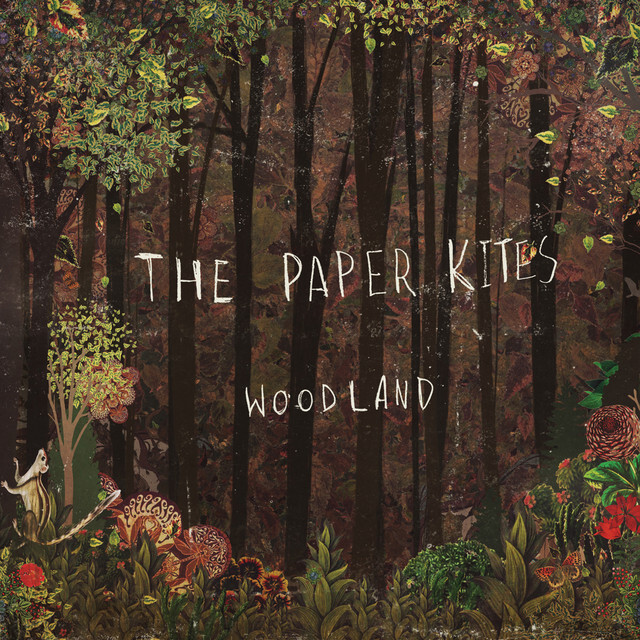
They center their music with elements of folk and indie combined and for a while, made demo recordings before making their first hit, Bloom in 2010 with Willow Tree March only releasing a year later from their successful album, Woodland.
The extensive opinion on folk songs were mostly about the joys of nature and partying in social events such as a feast. This song however, treads on angsty waters; it aims on the impending circumstance of dying, a contrast to the previous songs which focus more on the brighter side of life; this one provides a form of unease that comes from the lyrics along with intense instrumentals as the song gradually progresses.
“And we all still die
Yeah, we all still die
What will you leave behind?
Oh, we all still die”
Death is bound to happen at some point, but it could still dampen one’s feelings. Yet shifting the perspective to something more insightful unravels a deeper meaning. The thought of it shouldn’t always be doom and gloom, even though the song focuses a lot on that concept.
Break it down a little, and you can see that they also implied the importance of worth and the choice to show yourself to the world before time runs out.
Expressing how fragile life can be, feelings of the deeper meaning of humanity, and looking back to the choices that lead you to this point in life, a sentiment to the fall aesthetic. How the season can regain such deep emotions, but end in a moment of reflection.
By: Logan Jacobs
Many distinct types of horror exist. Most hinge on the idea of not knowing what is going on around you: the absence of knowledge. Or they hinge on not being able to do anything about the things around you: the absence of action.
This creates a duality where one coexists with yet is in an imbalance with the other. There is either an absence of knowledge or absence of action: when one is present, the other is lacking. This duality drives conflict.
The problem with this style of horror is the fourth wall, the knowledge that everything is fiction and cannot cause any harm. Because of this fourth wall between the player and the game the absence of knowledge and action’s effects are lessened.
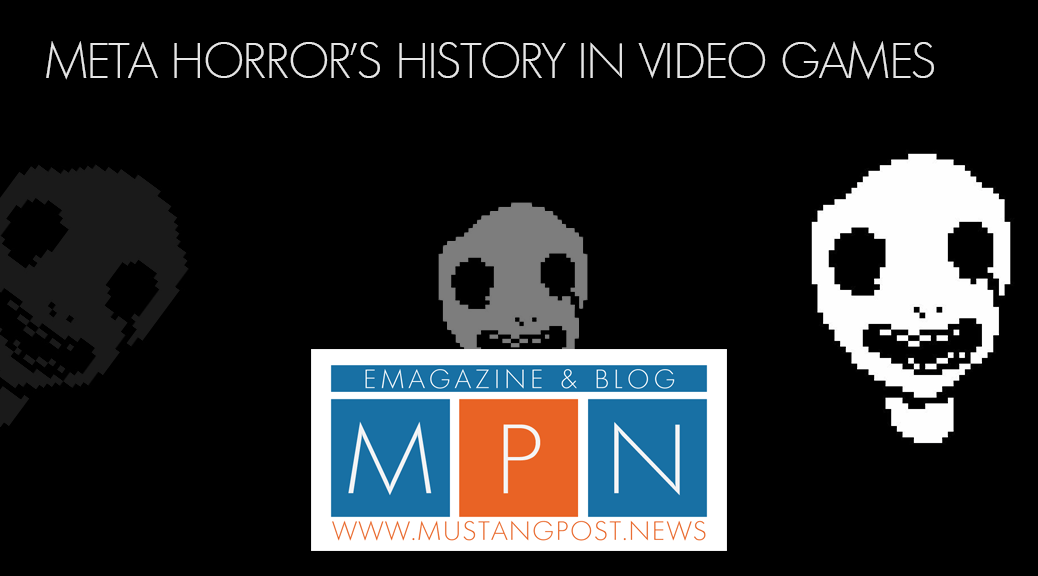
This is where the idea of “meta horror” strives. Meta horror’s goal is to break down the fourth wall and any other boundaries between the player and the horror. Meta horror doesn’t outright abandon the formerly established ideas on how to scare but instead expands on it by breaking down the fourth wall.
Eternal Darkness: Sanity’s Requiem was the first horror game of its kind, scaring players in avenues not previously thought of. Eternal Darkness was released in 2002 exclusively for the GameCube, both the time and the consoles limitations led to a less refined version of meta horror but one that still scared just as well.

In Eternal Darkness a sanity system can affect how the game scares, the bar starts full and slowly empties as time goes on. Starting with minor changes such as noises with no source or even skewing the camera a tiny amount. As the player’s sanity bar gets lower more extreme effects happen such as faking deleting the player’s save file, abruptly ending the game claiming a sequel is in the works, or even having the player character die spontaneously.
While Eternal Darkness got many things right, the game was limited by its hardware and development time. It created a great base for many other games to work off in the future.
Imscared: a Pixelated Nightmare picked up where Eternal Darkness left off and is considered by most to be the most influential and notable meta horror game. Imscared was one of the first meta horror games to be released on pc and it makes use of that fact. Imscared holds no punches when trying to scare the player, using more traditional methods like jump scares to opening a YouTube video in the background without your knowledge.

The horror of Imscared does not just leave the player frightened but leaves them questioning whether they are safe even after closing the game. Imscared achieves this effect by many means for example, faking that the game is closed only to jump scare the player, creating new files and images on the player’s desktop, and even faking that the player’s computer crashed.
DDLC is the last game mentioned here because it strays away from the two other games preestablished ideas of horror. DDLC breaks down that fourth wall by deceiving the player from before they even start the game. It masks itself as a cute visual novel, a genre of game that focuses on player choices, interactions with the story, and less gameplay.
DDLC chooses not to scare the player with jumpscares but instead disturb the player. The first act of the game starts normal by all means but by the time of the second act the player starts to notice cracks in the game. Small instances of abnormalities not mentioned before. All of this culminates in the third act revealing all of horrific elements of the world that the player had come to love.
The three games mentioned above are not the only meta horror games but they were pioneers of the genre and are each in their own way still affecting the meta horror genre today.
By Logan Jacobs
Counter Strike: Global Offensive (CS:GO) is one of the most prolific games of all time, and in March of this past year Valve announced the long-awaited sequel, Counter Strike 2 (CS2).
CS2 promised a lot with its reveal: completely overhauled graphics, sub-tick technology, and volumetric smokes. Now just over six months later everyone has access to CS2. Has Valve delivered on their promises or were they flaunting a new game for a quick bump in players?
It is important to note that when talking about CS2, CS:GO was also buggy and unbalanced when it was first released. Only after years of working on the game with feedback from the community did CS:GO become the game it is today.
With that fact in mind, CS2 right now is a buggy mess unlike the now crisp CS:GO.
CS2 released with many changes, the biggest being the UI. The player’s HUD is completely different compared to CS:GO, changing the location of the player’s health and ammo with a sleeker more modern design.

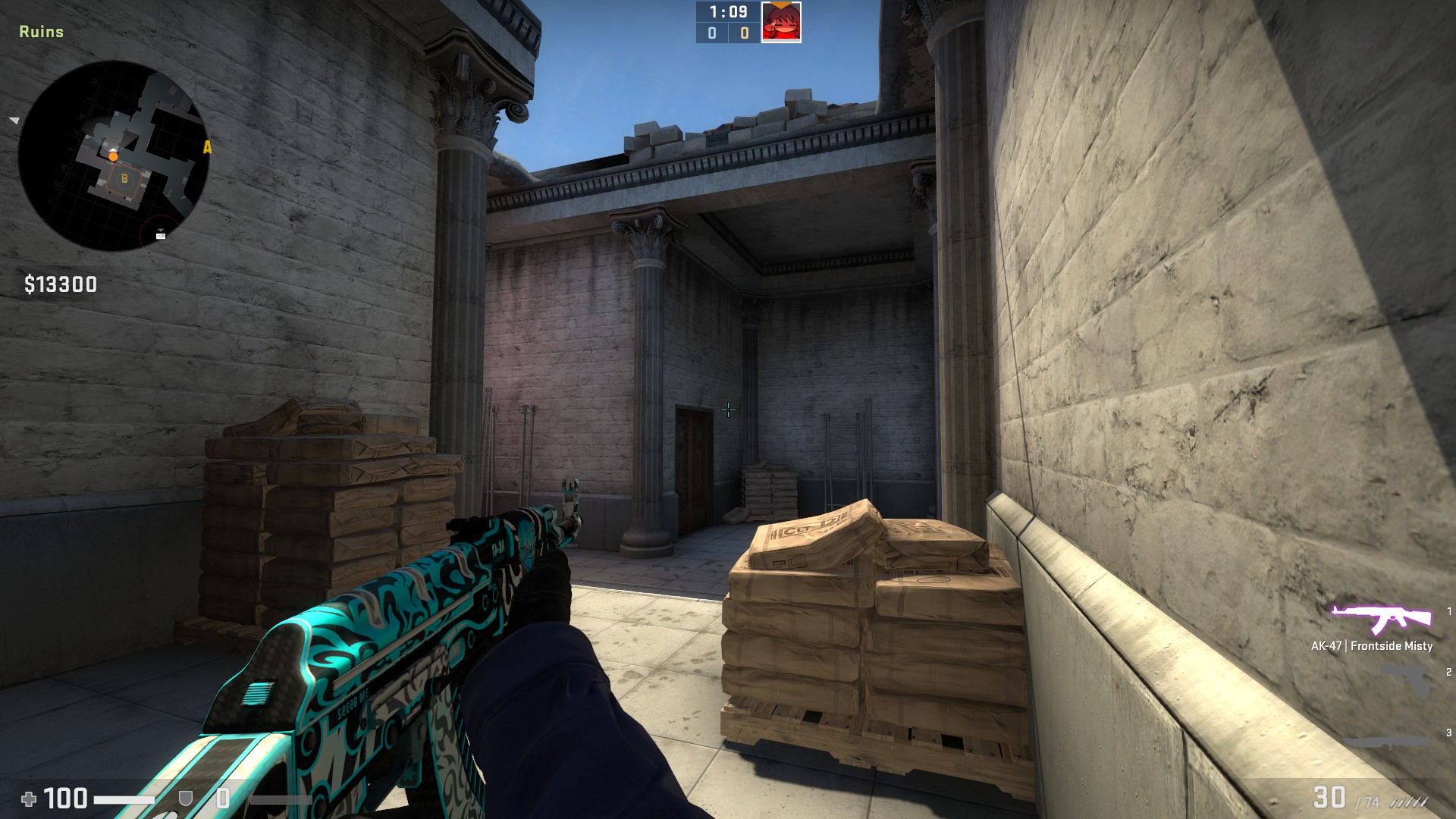
The UI changes don’t stop there though. They overhauled the buy menu opting for a simpler design compared to the circle menu found in CS:GO.
CS2 has notably forgotten about a beloved setting found in cs:go cl_righthand. This setting would change if your gun model was on the left or right side of your screen. It’s absence from CS2 has left many questioning why they would remove this tactical advantage.
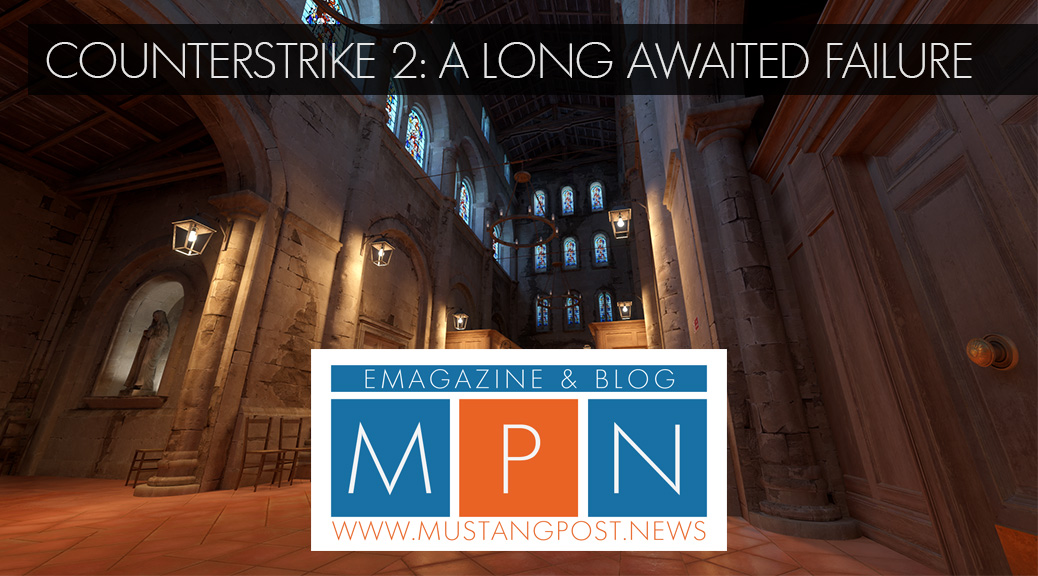
The UI wasn’t the only major overhaul found in CS2. Along with it came a brand-new set of visuals. While CS:GO’s graphics did improve as the years went on, it was always limited by the twenty-year-old source engine.
CS2 abandons that limitation, and it flourishes graphically because of that. Equipped with a new “raytracing esque” lighting system and new textures, the game looks visually stunning on higher settings and is still good-looking on lower settings. But graphics aren’t everything.
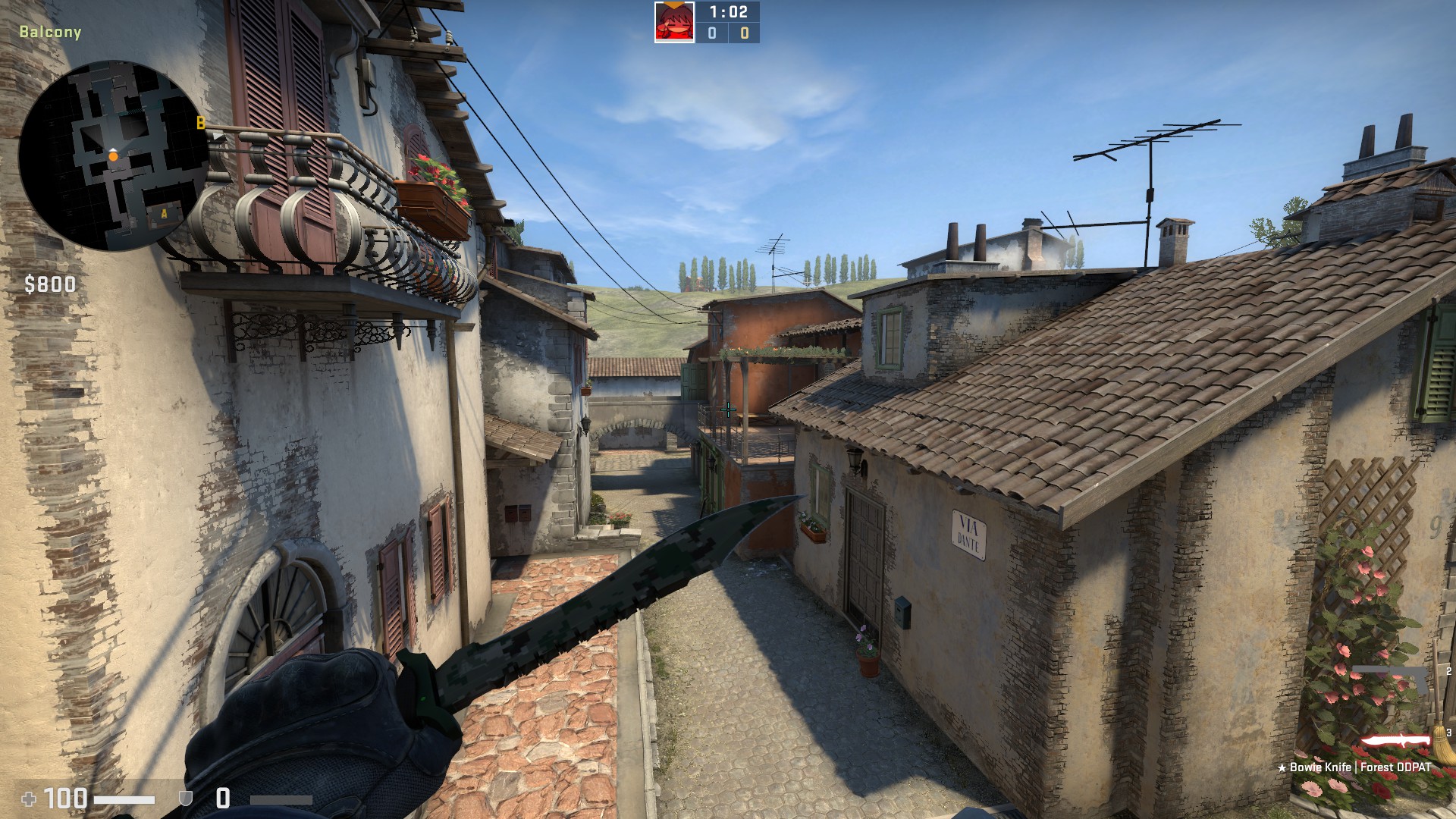
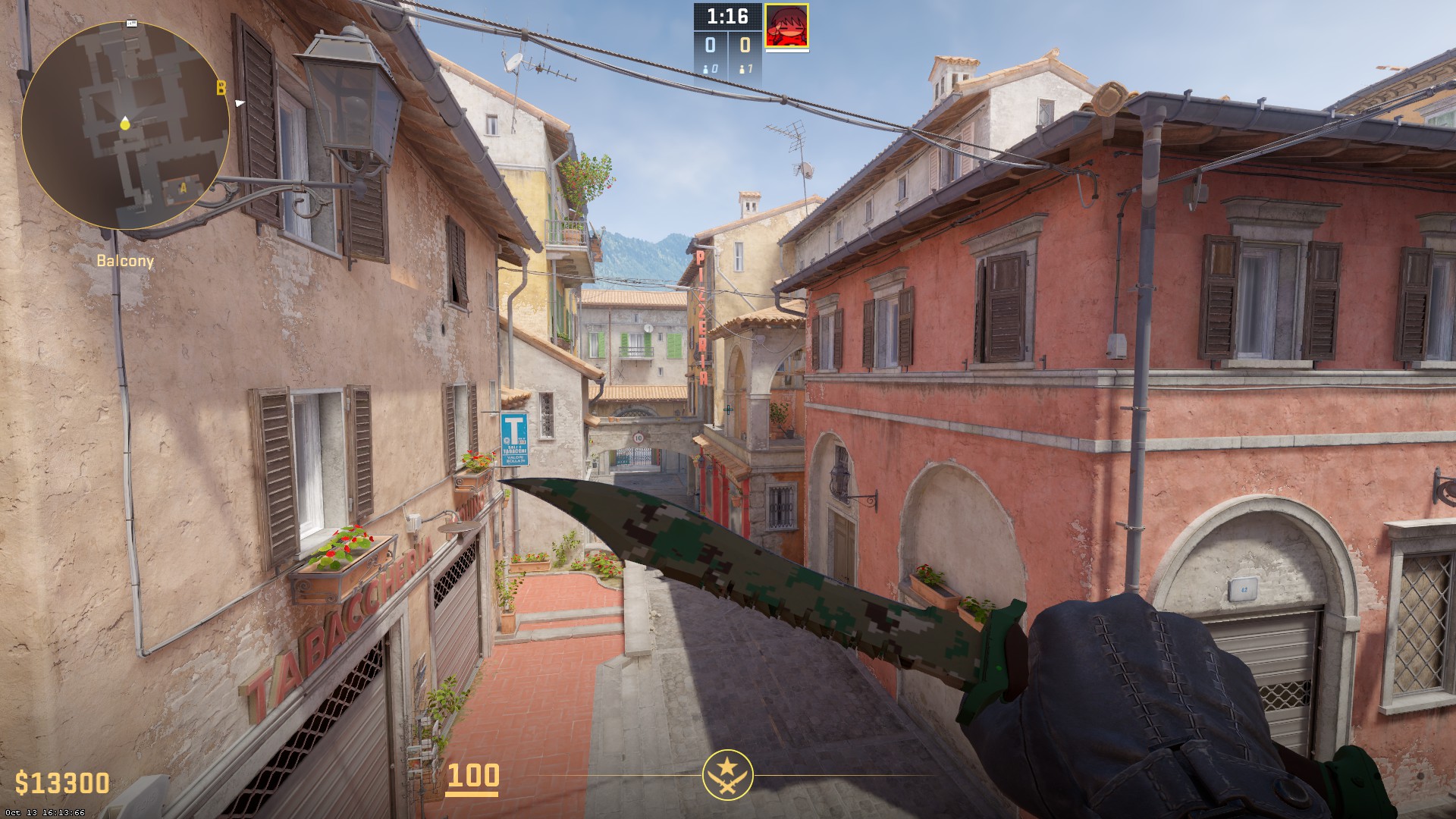
CS2 also chose to change the outdated tick system. Previously, CS:GO relayed what happened every 64th of a second to the main servers, this is also true in CS2. The difference in the two systems is that CS2 records where you are looking when you shoot. Previously CS:GO shot where you are looking at when that shot registered with the server. Theoretically this will be more accurate to what happens but for those with a bad connection this can feel unfair because they seemingly die behind cover.
The gameplay of CS2 is by far the worst part of the game. Most of the community has come to the consensus that the game does not feel as clean as CS:GO did. Both the gunplay and movement feel unresponsive and laggy. This is not helped by the fact that sub-tick heavily favors those with lower ping.
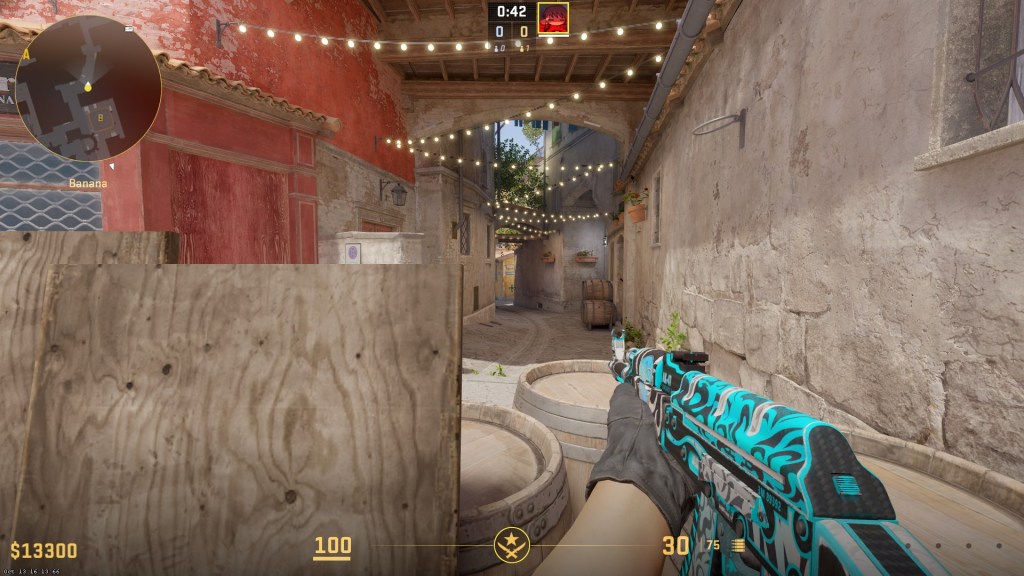
The last major change to CS2 is volumetric smokes. This changed how smoke grenades work entirely. Instead of releasing a ball of smoke that would block vision and penetrate walls, the smoke conforms to the area and objects around it.
Along with this change, came a new way of walking and seeing through smoke. An H.E. grenade’s detonation clears a temporary opening for a person to see or shoot through. These volumetric smokes are executed very well and surprisingly do not cause any major FPS drops.
Despite so many major changes to cs:go’s fundamentals, CS2 still keeps true to what CS:GO built. With that being said, CS2 is a long away from being completed but it will only reach that state if the community sticks with it and helps improve what’s wrong.
By: Logan Jacobs
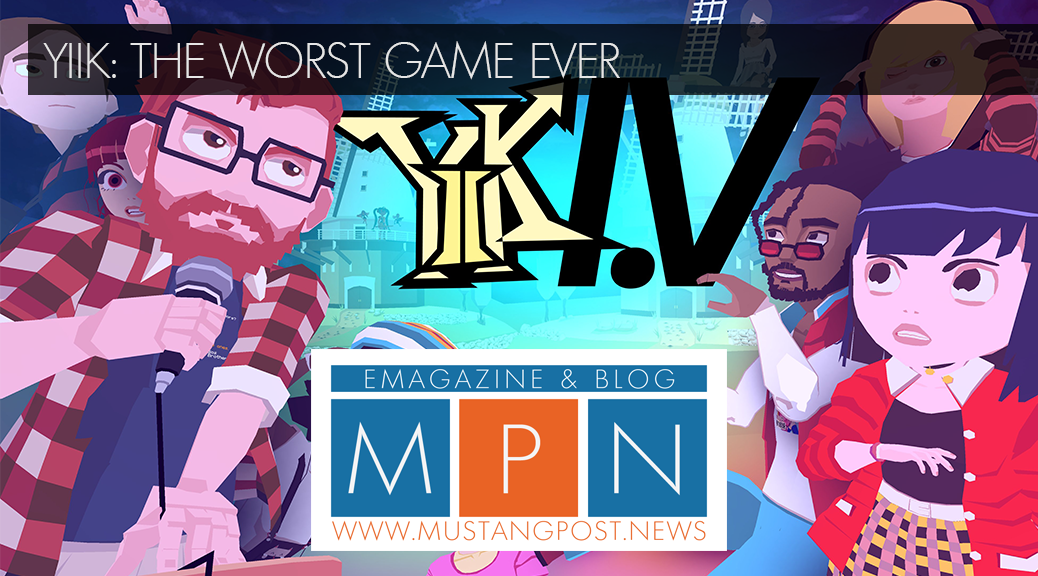
When discussing the worst games ever made many people jump to games like E.T. for the Atari or the original release for Final Fantasy 14, maybe even No Man’s Sky. These games are among some of the most buggy, poorly designed, and rushed games in history. But what if the worst game wasn’t buggy at all? What if it had 8 years of development time? What if it had a good concept with a strong base to build off of? The game that fits into all three of these criteria? YiiK, stylized as YIIK and pronounced YEEK.
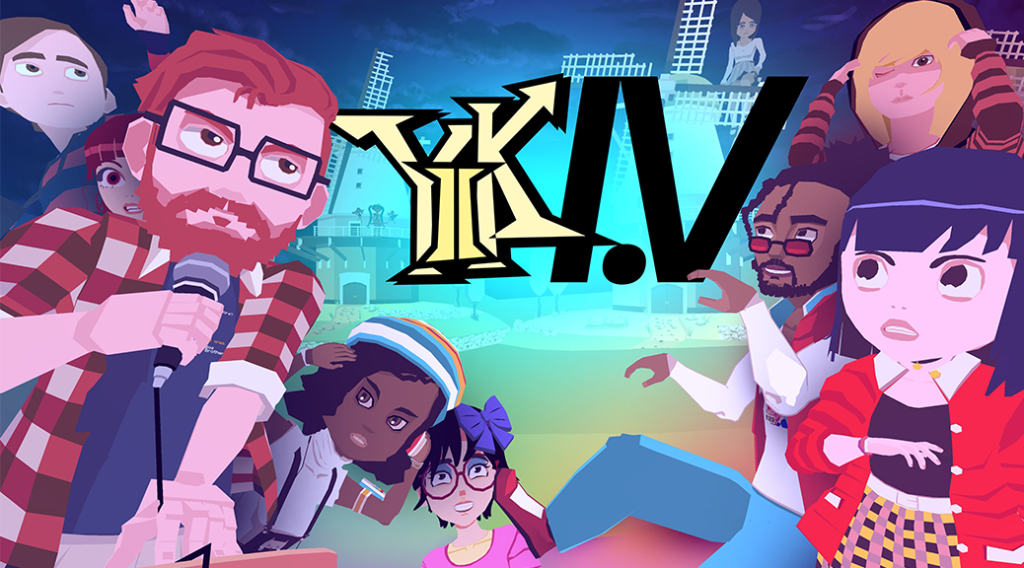
YiiK is a self-described “Post Modern RPG” with all the classic RPG elements: turn-based combat, quick-time events, and party members.
YiiK follows Alex Eggleston, a college graduate coming back to his hometown, while meeting the protagonist the player will encounter the biggest flaw in the entire game, the writing.
Long droning monologues that provide context already given to the player combined with an extremely unlikable and static protagonist culminate in making some of the most difficult writing to sit through.
Arguably the worst part about the writing is the lack of consequences to Alex’s actions. Alex is constantly the worst person possible in every situation or interaction and unlike games such as The Witcher or Skyrim, these actions aren’t the players’ choice, it’s just who the character is, what he says, what he does.
After playing the game for some time players may expect Alex to grow throughout the story, even if that growth isn’t earned story wise. This doesn’t happen. Alex stays the same morally questionable, sometimes even morally reprehensible character that only thinks about himself, and the game agrees with him.
(the next paragraph contains spoilers for YiiK, if you would like to play the game, please skip it)
Throughout the game Alex only thinks about himself, he truly believes the world revolves around him and at the end of the game it’s revealed that the world does. While I won’t get into massive lore details just know that Alex is right in believing that he is the most important in the universe by virtue of being Alex Eggleston.
While the writing may be bad, that alone wouldn’t ruin a game. The combat mechanics of the game also help to make it the worst game.
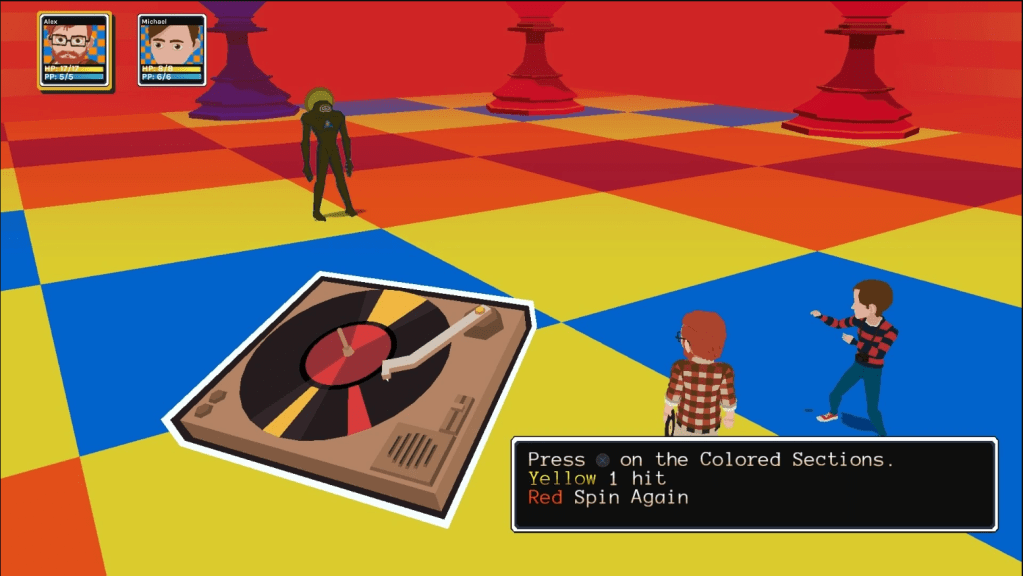
Slow, basic, and repetitive are used best to describe the combat of YiiK. At first glance the combat system may not seem horrible; this illusion is washed away by the end of the first hour of gameplay. To understand the games short comings, it’s important to look a game that did this combat style, based around timing inputs, well.
Paper Mario, for the N64. This game had one of the most innovative combat systems found in a turn-based RPG, letting the players’ skill determine how much damage is done. On top of the skill-based combat it also hosted a large variety of moves/attacks. This is where YiiK fumbles.
YiiK’s combat system does not change. The best moves or attack order will always stay the same, there is no room for variety in the game. Another major problem with YiiK is the scripted fights/losses. Multiple times throughout the story you MUST lose in a fight to progress, this is disheartening when playing.
It sows a sense of doubt into the player. It makes them wonder if they even need to try for this boss. If it would just be better to lose instead of trying just in case. And that mindset isn’t even wrong. It would be easier to just lose every boss before actually attempting them.
The last important thing to mention is how much potential that YiiK had. The game had some of the best video game composers making music for it. YiiK also had an interesting idea; a unique art style that was modern while still being blocky/polygonal.
That’s my biggest problem with YiiK. It had potential, YiiK could’ve been a great game and it still can be. Currently the developers are working on the 1.5 update, this update is promised to change the problems that plague the game. Changing the story direction, improving combat and the dungeons found in the game. This update could be what the game needs to switch from being the punchline of jokes to being a great game. When it comes out, I will be playing it and I implore you too as well.
Without memories, what do we have left? How
do we fill our life with meaning?
As a stream of seemingly unimportant home video clippings flood
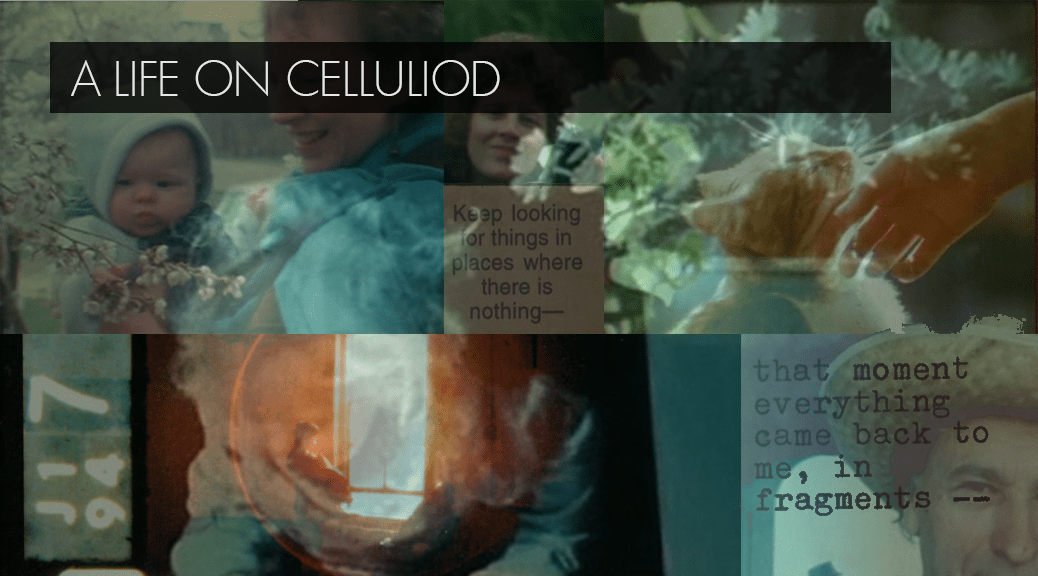
through the screen, Jonas Mekas contemplates these very questions, intercutting scenes with splices of poetry and thoughts in his massive four hour, forty-eight-minute masterpiece: As I Was Moving Ahead I Occasionally Saw Brief Glimpses of Beauty, where the audience is taken on a journey through the pages of a man’s life.
It is a film without plot or structure, and seemingly without any importance, but it is the substance within these small moments in montage, that when all together, create an undeniable representation of
the human condition.
This memoir is less structured like a documentary but more like music or poetry. Unlike a book, the film expresses memory through words, music,
and narration. Intertitles and images combine not just to describe memory but to share it. You see the world with wonder and weariness through the eyes of Jonas Mekas.
In short, to ask, What is the meaning of this film? Is to ask, what is the meaning of life.
Leaving Lithuania, he became imprisoned in a German labor camp with his brother, and after escaping they went into hiding in a farm near the
Danish border.
When the second World War ended, he moved to the United States, bought a camera, and started shooting documentary movies.
Today he is known as the godfather of American avant-garde cinema.
In 1961, he and twenty-one other independent mostly experimental filmmakers including Andy Warhol founded The Filmmakers Cooperative, a non-profit distribution center for a new age of avant-garde film.
He soon became one of the most influential names of the New Cinema Movement creating inventive and unique documentary films including
Reminiscences of a Journey to Lithuania (1972) and He Stands in the Desert Counting the Seconds of his Life (1987).
Brief Glimpses of Beauty came out in 2000 and is a culmination of his style.
I’ve had some trepidations about writing an article on this film because it’s so massive, yet understated and most importantly, unconventional.
It’s a rare opportunity for an audience to see a person’s life on film, comparable to Gordon Parks’ Moments Without Proper Names, but not parallel in sheer length and substance.
As a reoccurring intertitle reads: Nothing happens in this film. Later corrected with: Everything happens in this film.
As I Was Moving Ahead Occasionally I Saw Brief Glimpses of Beauty is an optimistic film about life, but also a weary film, made by a man aware of his mortality, reflecting on scraps of memory, coming to terms with age, the past and dying.
Jonas Mekas says it best, in the opening words of the film, “I have never been able, really to figure out where my life begins and where it ends. . . There is some kind of order in it—order of its own, which I do not really understand, same as I never understood life around me. The real life, as they say, or the real people, I never understood them. I still do not understand them, and I do not really want to understand them.”


 The Mustang Post