Category Archives: Setting the Scene

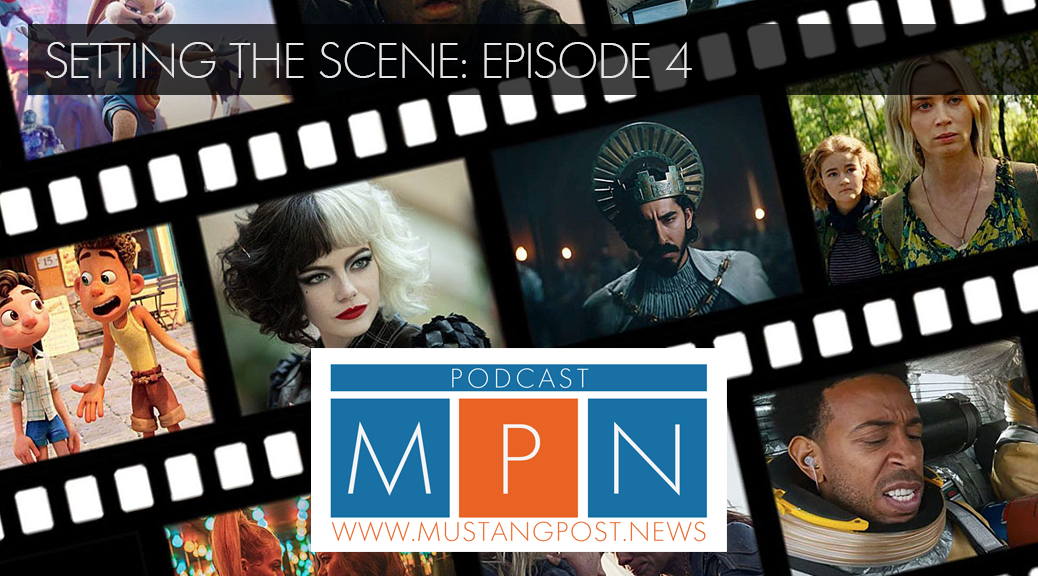
Setting the Scene: Episode 4

THE CINEMA CHRONICLES
By Gabriel Sieling
Hosted by Gabriel Sieling

Official Transcript:

CHILDHOOD TRAMA/WHY CHILDHOOD CHARACTERS ARE BECOMING KILLERS

{RISK BEGINNING THEME}

Gabriel Sieling: Hello Everyone and welcome back to The Cinema Chronicles. I’m your host Gabriel, and today we will be talking about how Fan Favorite Childhood Characters are becoming Horror Movie Killers

SOUND EFFECT: Film Scroll

Question 1: What IP’S were affected?

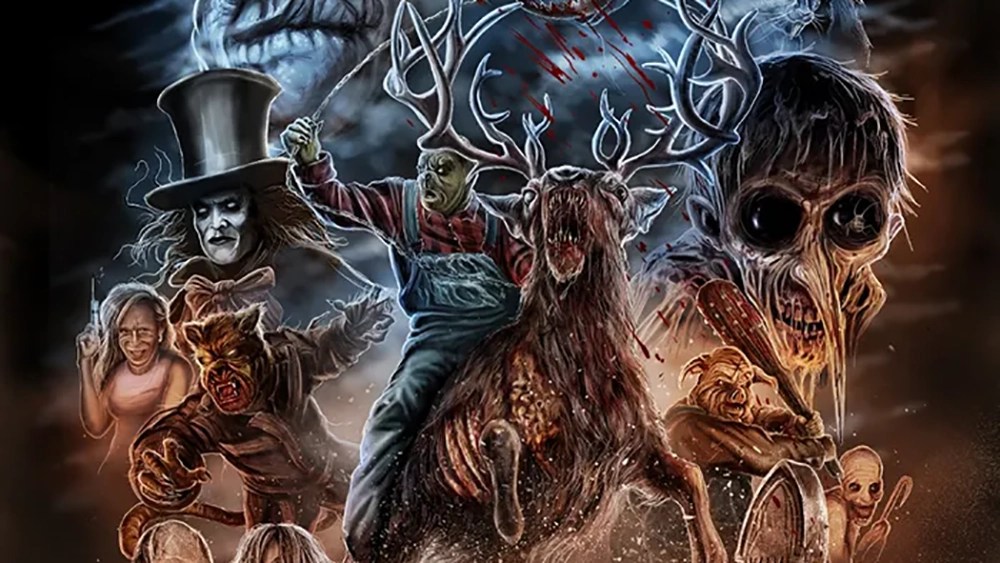
Gabriel Sieling: You might be wondering what I am talking about? Well I’ll give you an explanation. Recently in the 2020’s, Fan Favorite Childhood Fictional Characters have been staring in their very own horror films such as “Winnie the Pooh”, “The Grinch”, “Bambi”, and everyone’s favorite “Mickey Mouse.” People have been using these characters and twisting their origin in order to make a buttload of low budget horror films.

SOUND EFFECT: Knife Slash

Gaabriel Sieling: Because the idea of your favorite childhood characters killing people sounds very funny. So, people like Rhys Frake-Waterfield (Creator of “Winnie-The-Pooh Blood and Honey” and “The Twisted Childhood Universe”), and Stevan LaMorte (Creator of “The Mean One”), are using these characters just for fun, while also making a quick cash grab on the side.

SOUND EFFECT: Film Scroll

Question 2: How are they legally able to do this?

Gabriel Sieling: You might be wondering how these creators are able to get away with using these characters? Shouldn’t Disney be suing them? Well, that’s just it, they cant. The reason people are able to use characters like Winnie the Pooh, and Mickey Mouse, is because they are now in something known as “The Public Domain.” The Public Domain is a law that states whenever IP expires after 100 years of its release, that IP is sent into the public domain. When said IP enters the Public Domain, then they are free to use by any creator and that IP now belongs to the public. So, is that it? Mickey Mouse is no longer owned by Disney.

SOUND EFFECT: Gasp

Gabriel Sieling: Well not so fast. Mickey Mouse is in the Public Domain sure, but only a specific version of Mickey Mouse. Specifically, Mickeys first ever appearance in the 1928 animated short “Steamboat Willie.” And that Mickey Mouse is Black and White. Whereas the current mickey with color we know today, didn’t appear on screen till the 1935 Animated short “The Band Concert.” So, that means the public is not allowed to use the current version of the mouse for another 8 to 9 years. People will only be allowed to use the Steamboat Willie version of the character, like they did in the mickey mouse horror films “Mickey’s Mouse Trap”, and the recently announced “Scream Boat.” But you might be realizing, I mentioned the grinch earlier in the episode, but the original How the Grinch stole Christmas children’s book came out in 1957, that IP will legally not be in the Public Domain for at least another 30 years or so. That leads me to another way people can legally use these characters for their horror movies. The grinch horror film released in 2022 titled “The Mean One” is classified as a “Parody Film.”

SOUND EFFECT: Boing

Gabriel Sieling: Hollywood is no stranger to Parody films, with films such as “Scary Movie”, “Shaun of the Dead”, “Vampires Suck” “The Bill and Silent Bob franchise”, and “The Starving Games”. These films are classified as parodies because they never directly address anything from the original material, they just adapt the film that they are basing the parody on. For example, in the mean one, they never directly address the monster as the grinch. They only address the mean one. Which is a reference to the classic grinch holiday tune.

SOUND EFFECT: You’re a mean on Mr. Grinch.

Gabriel Sieling: This makes it so that the film is safe from being sued as it is under The Parody Label.

SOUND EFFECT: Film Scroll
Question 3: Are there any restrictions?

Gabriel Sieling: So, you may be thinking that all of the stuff I mentioned is kind of an overpowered public right. But there are some restrictions that these creators have to follow. As said in a Video from the YouTube Channel “The Film Theorists”,

SOUND EFFECT: Welcome to film theory.

The head of the channel at the time “Matthew Patrick” revealed that the companies that own these IP’s have the ability to establish “Trademark’s.” What is the Difference between Copyrights and Trademarks you may ask? Well unlike Copyrights, Trademarks do not expire. Let’s take what MatPat used as an example of this, Superman.

SOUND EFFECT: Superman Theme

 The Man of Steel’s first appearance was in “Action Comic #1.” And as of the time recording this, Superman’s copyright is set to expire in January of 2034. But if people want to use Superman for their own projects, they are going to have to get really creative with how they use the character. First off, people are only allowed to use the Superman that appeared in that issue, he has a black and red S on his chest, and the only powers he had were super strength, invulnerability, and the ability to leap tall buildings with a single bound. Therefore, Superman did not have the ability to fly, or shoot lasers out of his eyes. So that would mean that creators could not use his powers. And Second off, The Superman name and iconic logo are trademarked by DC Comics. Therefore, Creators can use the iconic S Symbol, or use the name Superman. They may have to get creative and bring out their hyphens and introduce Super-Man.

SOUND EFFECT: Laugh sound.

Gabriel Sieling: The point is, all of these characters are getting horror films, just because of the fact that they can, and that it’s legal. But still, in the end of the day, the people still care about the source material and use it to make a twisted take on our favorite characters……………except “Mickeys Mouse Trap” that can still burn in a fire. Anyway, be sure to check under your bed for any pooh bears tonight. My name is Gabriel, and this has been the Cinema Chronicles. Thank you.

{RISK ENDING THEME}

(END.)
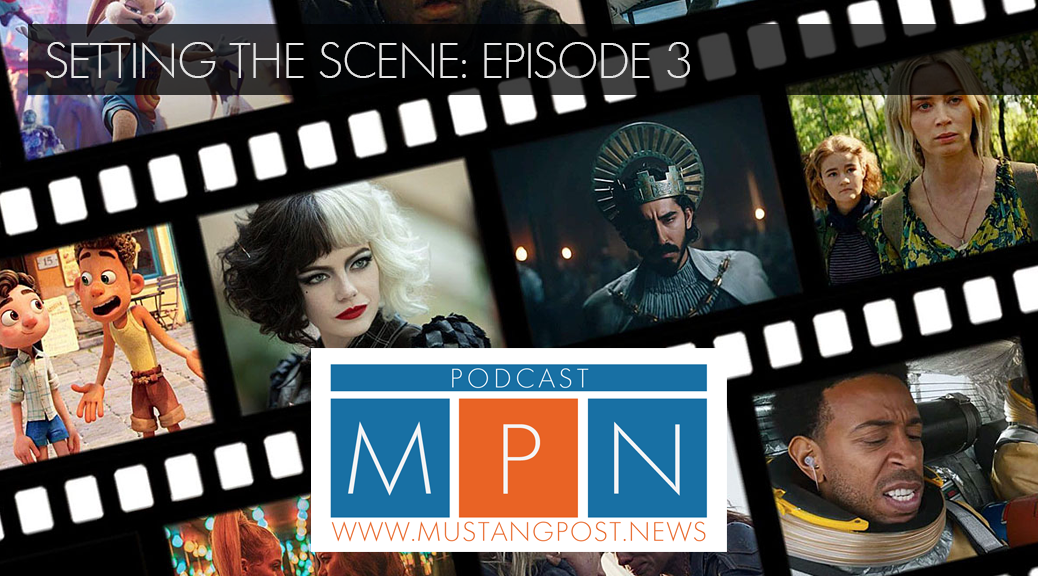
Setting the Scene: Episode 3

THE CINEMA CHRONICLES
By Gabriel Sieling
Hosted by Gabriel Sieling

Official Transcript:

How The Spider-Verse Changed Modern Animation

{RISK BEGINNING THEME}

Gabriel Sieling: Hello Everyone and welcome back to The Cinema Chronicles. I’m your host Gabriel, and today we will be talking about how The Spider-Verse changed modern day animation.

SOUND EFFECT: Film Scroll

Question 1: What is “Spider-Man into the Spider-Verse?

Gabriel Sieling: For those who do not know, In December of 2018, Sony Pictures Animations released the first ever theatrically released Animated marvel film “Spider-Man into the Spider Verse.”

SOUND EFFECT: THWIP

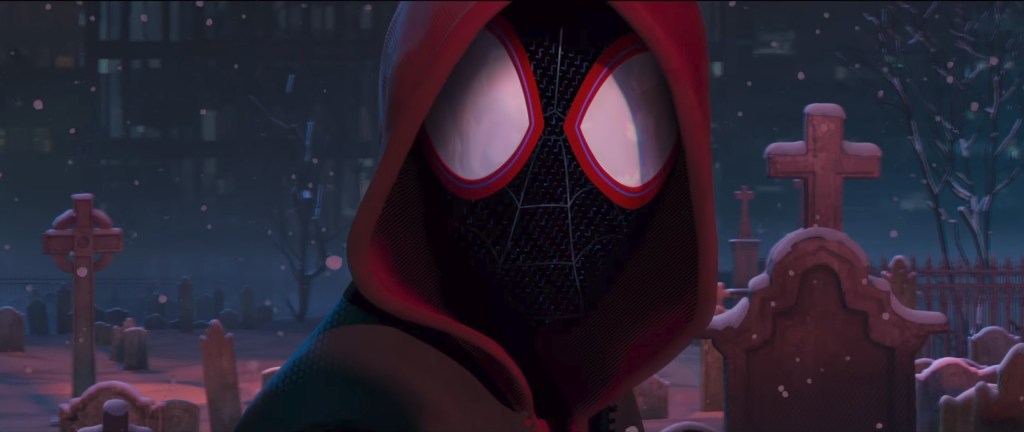
Gabriel Sieling: Produced by Phil Lord and Chris Miller, the film follows Brooklyn teenager Miles Morales,

SOUND EFFECT: Miles Morales Quote

Gabriel Sieling: as he suddenly develops mysterious powers that transform him into the one and only Spider-Man. When he meets Peter Parker, he soon realizes that there are many others who share his special, high-flying talents. Miles must now use his newfound skills to battle Wilson Fisk, AKA The Kingpin. A mad businessperson who has a device that can open portals to other universes and pull different versions of Spider-Man into miles universe.

SOUND EFFECT: glitch SFX.

Gabriel Sieling: This Film opened with incredible reviews, and even won the academy reward for best animated feature film.

SOUND EFFECT: wow.

SOUND EFFECT: cha ching.

 Gabriel Sieling: And as you might of guess, the attention this animated film was getting made the other studios very aware.

SOUND EFFECT: film scroll.

Question 2: how did Spider-Verse change the world of animation?

Gabriel Sieling: Spider-Verse had an Animation Style unlike any other animated film before, with the animation specifically made to look like a comic book come to life. The animators wanted to try something different from the common Pixar esk 3D animation, trying innovative ideas such as switching the frames per second on a specific character, and making every character have a unique style and tone to separate hem from the other. This is what caused “Into the Spider Verse” along with its sequel, “Across the Spider Verse” to start a trend in modern animation by invoking its hero’s comic-book origins with Ben-Day dots and wild, hallucinogenic sequences. This made it so that major studios have grown less fearful of animation and encourage them to diverge from the norm. The film proved that audiences would not reject projects that look drastically different from the house styles of Pixar and DreamWorks. Films like “Teenage Mutant Ninga Turtles Mutant Mayhem,”

SOUND EFFECT: ninja slash.

 “The Mitchell’s VS The Machines,”

SOUND EFFECT: robot sound.

 “Puss in Boots the Last Wish”

SOUND EFFECT: fairy tale sparkle.

And “Nimona”

SOUND EFFECT: fire.

Gabriel Sieling: all have distinctive looks that are visually sensational without conforming to established playbooks. Like “TMNT Mutant Mayhems” approach to animation to make it look like it was drawn by a teenager, and “Puss in Boots the Last Wish’s” approach to make the animation look like each frame was pulled from a story book. If Spider Verse did not take the risk and tried to do something different with animation. Sure, not all new animated films take this approach such as animation studios like Pixar and Illumination. It does not affect the impact that these different animated films have on the audience.

Gabriel Sieling: If it were not for Spider-Man into the Spider-Verse, Animation would have never changed. The Spider-Verse films are classified as cinematic masterpieces. And with these films’ combination of great storytelling, animation, special effects, and heart, I believe they deserve that title. This just goes to show that technology is always evolving. And it is our choice if we evolve with it and try new things, or just stay in the past while everyone else moves on.

Thanks For Watching this episode of the Cinema Chronicles!

 {RISK ENDING THEME}

(END.)

Setting the Scene: Episode 2

THE CINEMA CHRONICLES
By Gabriel Sieling
Hosted by Gabriel Sieling

Official Transcript:

[THEME SONG -RISK.]

Gabriel Sieling: “Hello everyone and welcome to The Cinema Chronicles. I’m your host Gabriel, and today we are going to be talking about what are Fan Films, and what impact do they have on the internet and pop culture.”

SOUND EFFECT: Old Film Rolling sound.

Gabriel Sieling: “You might be asking, what are Fan Films? A film is a film or video made by the fans of a popular form of media such as Films,

SOUND EFFECT: Indiana Jones Theme Song or Star Wars theme.

TV Shows

SOUND EFFECT: Friends (Joey being stupid) or laugh track.

 Comic Books

SOUND EFFECT: Batman Bam Pow!

and Video Games.”

SOUND EFFECT: Mario pipe sound.

Gabriel Sieling: “A Fan Film is a way for beginning creators to make a project about one of their favorite fandoms of pop culture, without having to deal with the copyright laws. As long as you give credit to the original creators of the thing your film is based on, then you can make a fan film on basically anything you can put your mind to.”

SOUND EFFECT: Old Film Rolling sound.

Gabriel Sieling: “The process of making a fan film is not that different from making a normal film. The only difference is that unlike most modern big budget studios,

SOUND EFFECT: Cha Ching Money Sound.

 fan film creators usually take a lot of time and care into a topic they genuinely care about. A fan film creator usually has a lot of respect for the source material and puts every ounce of care they have into the project.”

SOUND EFFECT: Old Film Rolling sound.

Gabriel Sieling: “What kind of impact can a Fan Film have on the internet and pop culture? A Fan Film can usually have any kind of impact on pop culture. For example, fan films can make a good and lasting impact when first announced.

SOUND EFFECT: twitter notification.

But nowadays if something that the creator said a long time ago comes up, it can tear the whole thing down to the ground.

SOUND EFFECT: Destruction

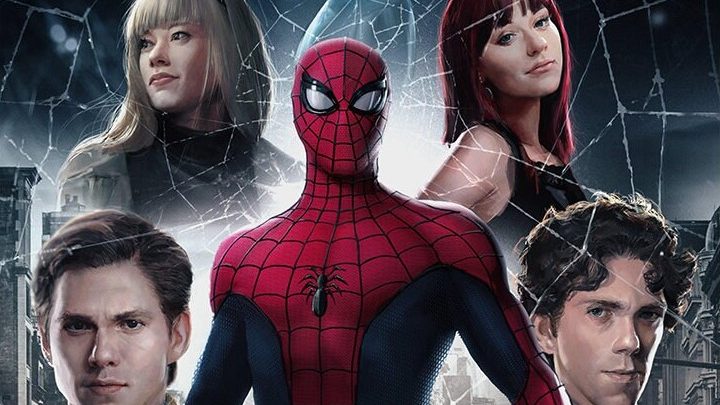
and make people question the point of fan films in general. A huge example of this actually happened very recently with a fan film called “Spider-Man Lotus.”

SOUND EFFECT: Spider-Man Thwip sound.

 When the first full trailer was released on October 27th, 2021, on YouTube, it was a smash hit. The trailer grossed over two million views.”

SOUND EFFECT: Slot Machine Win

SOUND EFFECT: cheer.

 Gabriel Sieling: “Things were looking great for the film until one day, an old tweet made by the creator of the film “Gavin J Konop” was leaked. The tweet had a racist comment, which immediately turned the whole internet on the film. The film was released, but it still made a lasting impact on not just Spider-Man Lotus, but other Spider-Man fan films in general. Spider-Man Fan Films made by people like “Joey Lever” Creator of the “Spider-Man Lost Cause duology,” and “Health Gleason” Creator of the Spidey fan film “Intractable.” Both had their films affected because of this controversy. People have even been commenting on my fan films saying, “I hope this won’t be like Spider-Man Lotus.” I usually do not care for criticism, and this comment does not mean anything to any fan film creators. If anything, I take it as a complement because I personally loved Spider-Man Lotus, and I have even modeled some of my films after it. But at the end of the day, no matter what kind of impact you make on the community, weather good or bad, there will always be people somewhere out there to appreciate what you do, and not just what you did.”

SOUND EFFECT: Awwwwww

Gabriel Sieling: Thanks for tuning in, my names Gabriel and I will see you next time on… the cinema chronicles.

[THEME SONG -RISK.]

The Science Behind the Scare: Episode 1

EPISODE ONE: The Science Behind the Scare
By Addison McCroskey
Hosted by Addison McCroskey

Horror movies. You love ’em or you hate ’em.

Additionally, when watching a horror film, there is control over both the situation and the viewing experience. Unlike the real world, people can press pause when a situation in a film becomes too dire to handle. So, this gives those who do enjoy horror a sense of relief and comfort within their fear. That is, knowing that at any given moment they could turn it off.

This can help maintain healthy anxiety levels and promote healthy coping strategies. Sometimes viewing movies such as these can function as a distraction from other emotions besides fear. Even so, being fearful of a movie does not necessarily make watching it unenjoyable.

Psychological Horror’s Target Audience

Most types of horror can be scary, but psychological horror specifically tends to hook analytical audiences, and provide a sense of curiosity and hunger to identify the plot and characters’ utmost intentions. Horror entertainment such as this can satisfy our constant investigation of the human psyche, and how we relate it to ourselves.

Many people (myself included) are fascinated by what human nature is truly capable of. Research indicates that those who appreciate this genre of horror tend to question mental phenomena, and how mental health can affect the body’s functions. Studies show that those who seek out this specific genre of horror tend to wield more investigative and inquisitive traits.

When it comes to horror films, there is a large spectrum of movies to select from depending on what you’re in the mood for. For some, psychological horror is a thrilling experience. Realistically, sensation seekers tend to enjoy the new and intense experiences that come with lack of control in the film. On the other hand, individuals who are of a more empathetic nature tend to enjoy these movies less. This divide makes fight-or-flight experiences easier for some than others.

Psychological horror explores the anxieties and vulnerability behind the human brain and how flawed thinking can occur when not in the correct state of mind. For example, an unsuspecting woman being chased down a dark corridor may instead of exiting the building back herself into a dead end. ultimately leading to her demise. This can cause the audience to subconsciously root for the woman, yet again relating back to the ideology of empathy and paranoia.

Elements of Psychological Horror

Some additional topics in psychological horror include madness, anxiety, self-doubt, and emotional turmoil. Supposing you put too much thought into the storyline of any other horror, you might find that the plot itself is made of glass. Psychological horror plots on the other hand are often less identifiable.

Some of the most frequently used tropes in psychological horror are a deteriorating mental state, loss of control, or newfound hallucination. These are typically driven by emotional manipulation or when tragedy strikes.

On the topic of tragedy, some writers construct films solely based off true events or events that could take place, in an attempt to scare the audience further. Nonetheless, an audience may not always be aware that the film is based on a true event because of its severity. This can be an adaptation, realistic fiction or even an extension of a real event. Some prime examples of this may include The Conjuring (2013), The Exorcist (1973), Jaws (1975) and Poltergeist (1982) to name a few.

While the film industry has had a lengthy run of high caliber horror cinematography, a person must admit that the recent decline of quality within these movies has been devastating…. Will these motion pictures ever return to their previous state of perfection? Or will they soon develop backwards with a more refined and modern touch?

Subjectivity of Horror

Horror is subjective, meaning certain types of horror may appeal to some but not others. There are several factors that can influence a person’s tolerance towards distinct types of horror films: from gore to possession, slow-burning mystery to full-on slasher.

Another way horror films may appeal to an audience is by using diverse types of media and special effects within the film. This may include CGI, makeup, prosthetics, gore, and many others.

Although some films have limited budgeting, mechanical effects are not necessarily the most blood-curdling aspect of an excellent quality horror film. Each film holds its own story.

Furthermore, there are crucial moments of suspense that can tie a scene together if done correctly. These small thought-provoking details can make or break important scenes.

Some prime examples of this are in Madhouse (2004), when Psychiatric intern Clark Stevens (Joshua Leonard) completes his descent into madness. His coworker turned lover Lisa, (Jordan Ladd) had not yet realized this until after he had already begun killing those around him. In a turn of events, when Clark has Lisa cornered on the deadliest floor of the building, she pleads for him to spare her and for his affection once more. Clark is stunned, and sent into a state of shock. Lisa manages to unarm him and escape.

As well as in Silence Of The Lambs (1991) when Clarise Starling (Jodie Foster) enters the grim and hideous home of Buffalo BIll. (Ted Levine) It is in this house which Clarice must find a beaten woman being held hostage. To her surprise, the entirety of the home is pitch black and covered in filth. The complete darkness combine with the disturbing surroundings is enough to petrify Mrs Starling.

Key Elements of Horror

A few key elements that make these films memorable are the use of dramatic irony, growing tension, and a steady turning point or change of morality. Regardless of what you are shaken by it is undeniable that a good amount of suspense in a film is desirable.

On a different note, some horror films stray from the everyday: exposition, climax, and resolution type storyline. This may include completely different plot elements in many different orders.

But where do jump scares come into play? Most of the time they don’t. They’re far too easy. A broad number of jump scares end up being dragged along in a scene making it blatantly obvious of what is to come. Knowing when to use them is what makes them truly effective.