
By: Mateo Landayan
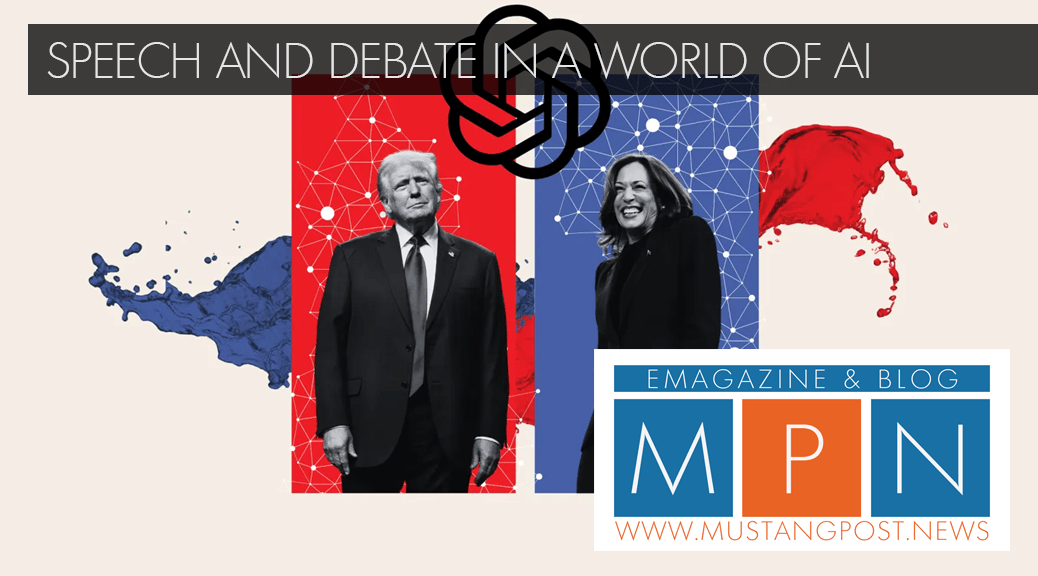
AI recycles what information’s already been given to it. Ask an AI to write an essay, and it will. Ask it to make an article for your journalism class, and it probably could do it in a few minutes. Ask it to take a stance, defend it under pressure, respond in real time, and persuade a skeptical audience? That’s where things start to fall apart.
In a world filled with artificial intelligence, students are competing with machines that can produce faster, summarize better, and generate forever. So, the question isn’t how students can keep up. It’s how they can stand out. The answer might be simpler than you’d think, by trying speech and debate.
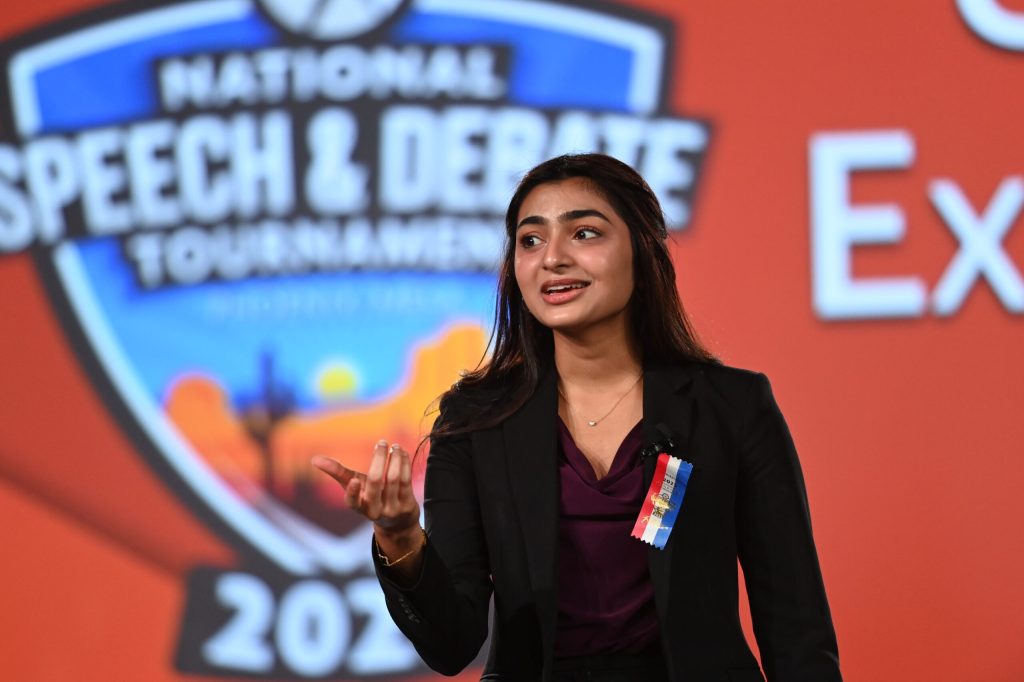
Debate teaches something AI fundamentally doesn’t have. It forces students to think on their feet, adapt when their arguments are challenged, and study ideas they don’t agree with. There’s no “regenerate response” button in a live round. You either understand your argument, or you don’t.
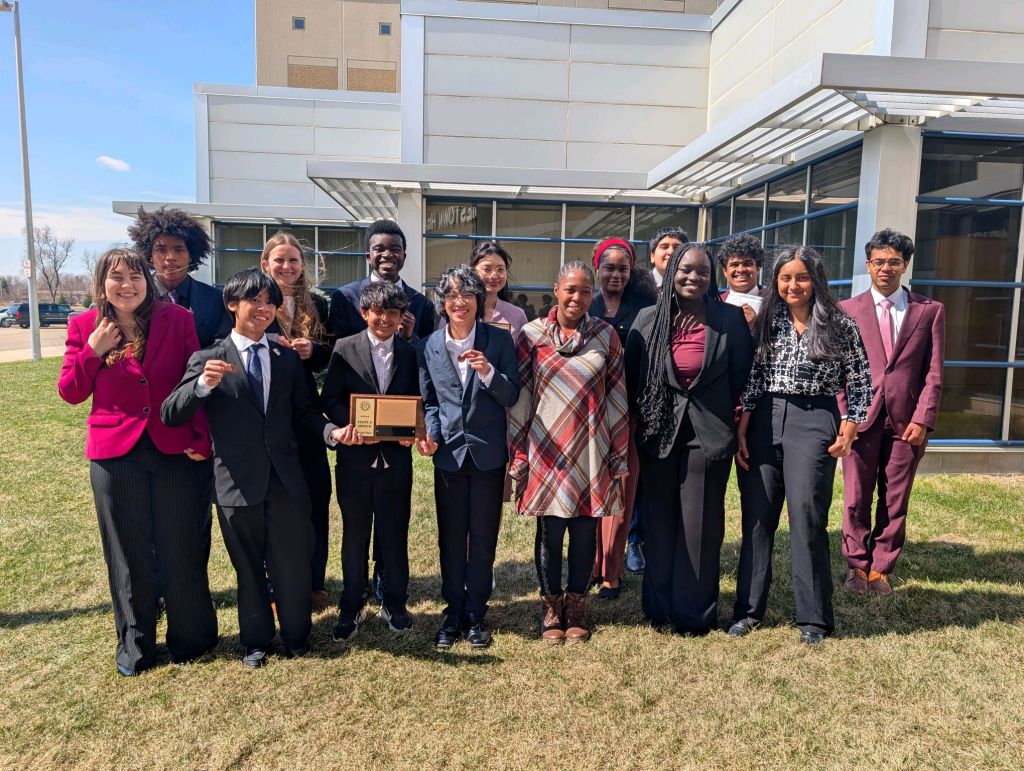
At West Fargo Sheyenne High School’s Debate Team, that idea is proven with their success. Over the past several years, the team has steadily climbed the state rankings: 8th in 2018, 5th in 2019 and 2020, 4th in 2021, and a major leap to 2nd place and state runner-up in 2022, followed by 3rd in 2023. That kind of consistency doesn’t come from copy pasting speeches generated by AI. It comes from students learning how to think, adapt, and perform under pressure.
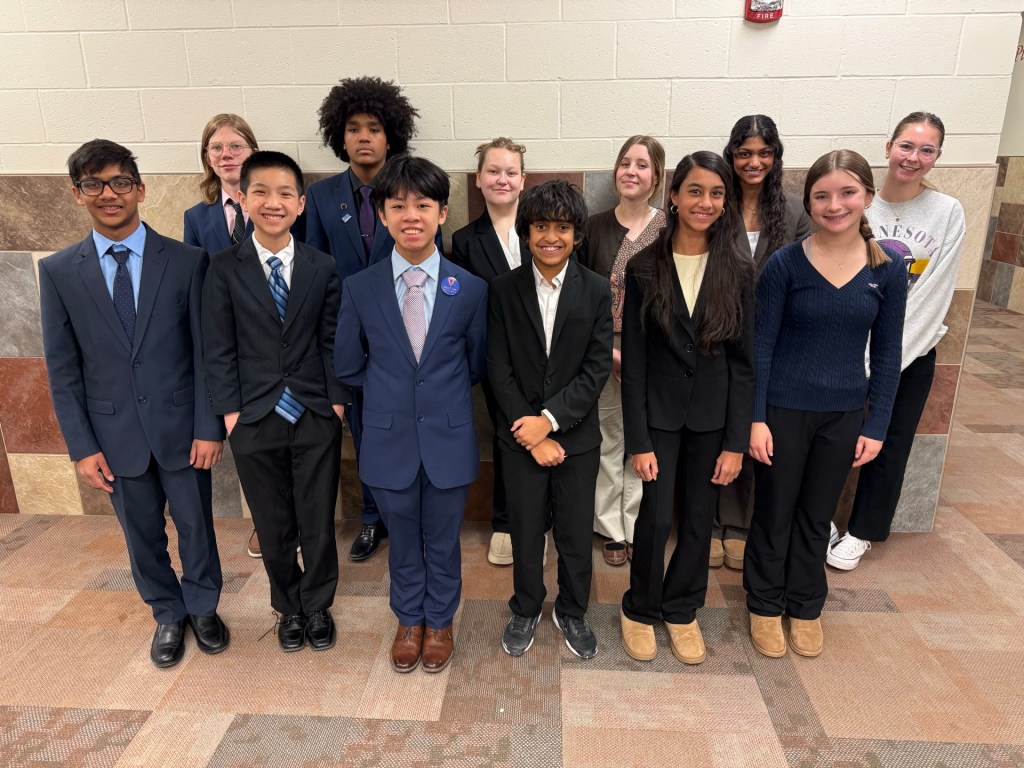
The same pattern shows up in speech. Sheyenne has repeatedly earned national recognition through the National Speech & Debate Association’s merit system, joining the prestigious 100 Club in 2016, 2017, 2018, 2020, 2021, and 2023, and reaching the even rarer 200 Club in 2019 and 2022. Those milestones show the teams discipline, communication, and a commitment to mastering skills that no chatbot could ever replicate.
There’s a human element that even I overlooked at one point. Debate isn’t just about being right and talking over whoever disagrees with you. It’s about being convincing. Tone, delivery, and presence all matter. A well-crafted argument means nothing if it can’t connect with an audience. Students in debate learn to weigh evidence, recognize bias, and make decisions in real time. Ironically, the rise of AI makes debate more relevant. The easier it becomes to generate answers, the more valuable it is to question them. Students don’t need to out compute machines. They need to do what machines can’t. They need to think, adapt, and argue. And that starts with debate.

