All posts by Mateo Landayan

6'2 feminist

Catch Me at Coachella!

By: Mateo Landayan

If you opened social media at any point in April, you probably saw Coachella without even trying. Between headline performances, surprise appearances, and clips going viral, Coachella 2026 quickly became one of the most talked about events of the month. Across two weekends, the festival brought together major stars, global acts, and newer artists who used the stage to reach wider audiences. 
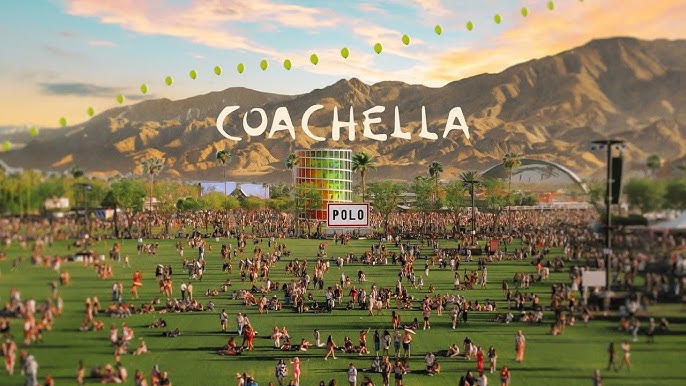
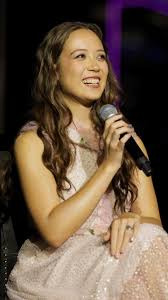
Weekend 1 set the tone with a lineup that mixed mainstream names and rising artists. One of the most widely discussed performers was Sabrina Carpenter, whose set drew a large crowd and showed how much her audience has grown. Her performance was structured, choreographed, and clearly designed for a big stage. Laufey also performed during Weekend 1, offering a slower, “instrument-focused” set that stood out from other acts. Her presence showed the range of genres included in the lineup. Justin Bieber made a major appearance that quickly gained attention online. His performance included both minimal and full production moments, giving audiences a mix of styles.  
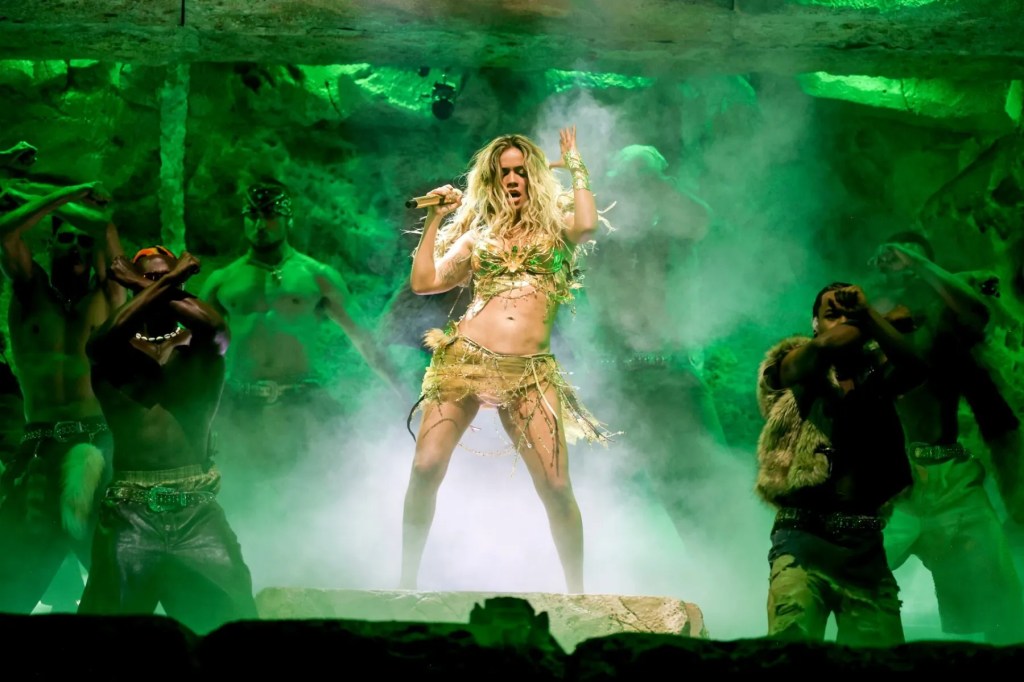
Latin music had a strong presence as well, with Karol G performing to one of the largest crowds of the weekend. Her set was widely discussed and highlighted her global popularity. According to coverage from Billboard and Rolling Stone, other notable Weekend 1 performers included Young Thug and Wet Leg, both contributing to the mix of hip-hop and indie rock at the festival. Overall, Weekend 1 was defined by performances, large crowds, and moments that spread quickly online. 
Weekend 2 kept the same scale but gave more attention to the depth of the lineup. While some major names returned, more artists across different genres stood out. Doja Cat drew attention with a set that focused on stage presence and crowd interaction. Rock and alternative acts had a stronger presence as well. Bands like Deftones and Bleachers added variety to the lineup 
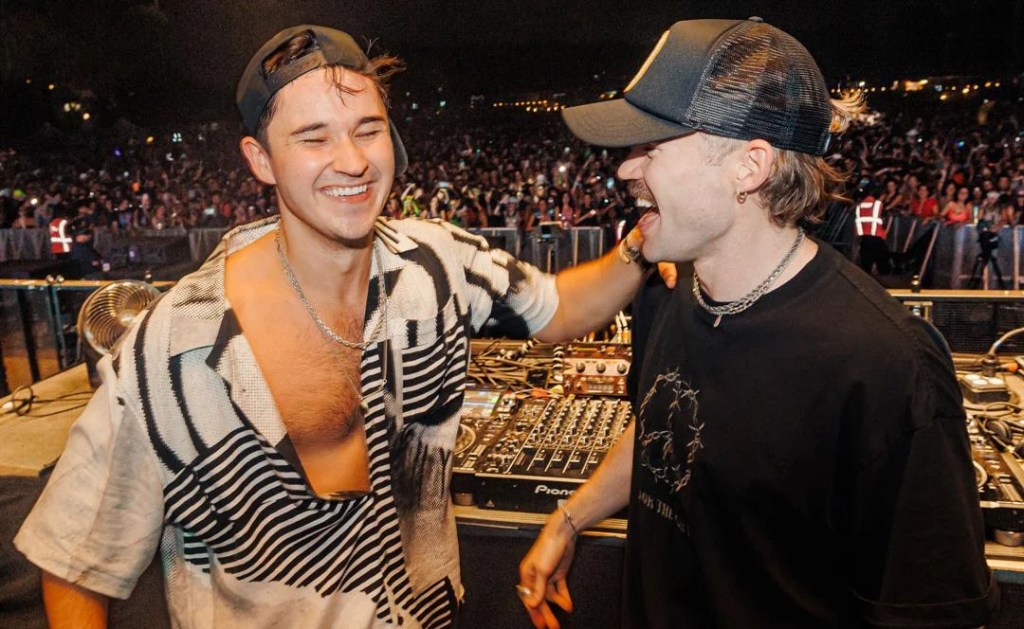
Electronic and dance music also played a large role in Weekend 2. Dom Dolla delivered a set focused on crowd energy and continuous mixes, while Peggy Gou brought an international electronic presence to the festival. Some Weekend 1 artists still drew attention during their return. Sabrina Carpenter and Karol G maintained strong crowds, showing consistency across both weekends, even as the focus shifted to a wider range of performers. According to The Guardian, Weekend 2 also highlighted how Coachella balances major stars with a diverse lineup, giving space to different genres and performance styles. Weekend 2 didn’t rely as much on viral moments. Instead, it showed how many different artists could succeed on the same stage, from pop and rap to rock and electronic music. 

Coachella 2026 brought together a wide range of artists and styles across both weekends. Weekend 1 focused on major names and viral attention, while Weekend 2 highlighted the depth of the lineup and the variety of performances. Together, they showed how large and diverse the festival has become. 
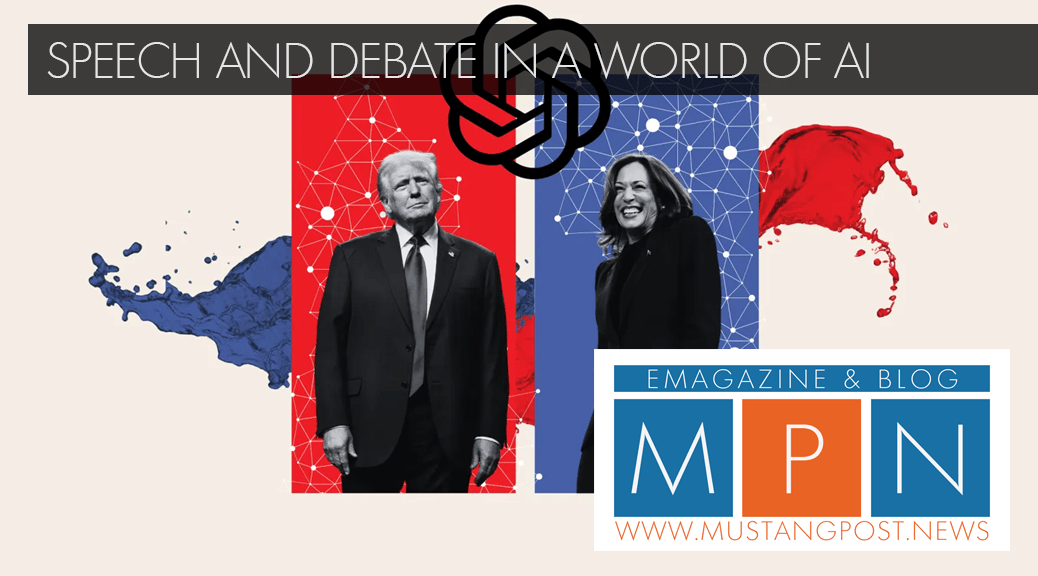
Speech and Debate in a World of AI

By: Mateo Landayan

AI recycles what information’s already been given to it. Ask an AI to write an essay, and it will. Ask it to make an article for your journalism class, and it probably could do it in a few minutes. Ask it to take a stance, defend it under pressure, respond in real time, and persuade a skeptical audience? That’s where things start to fall apart.

 In a world filled with artificial intelligence, students are competing with machines that can produce faster, summarize better, and generate forever. So, the question isn’t how students can keep up. It’s how they can stand out. The answer might be simpler than you’d think, by trying speech and debate. 

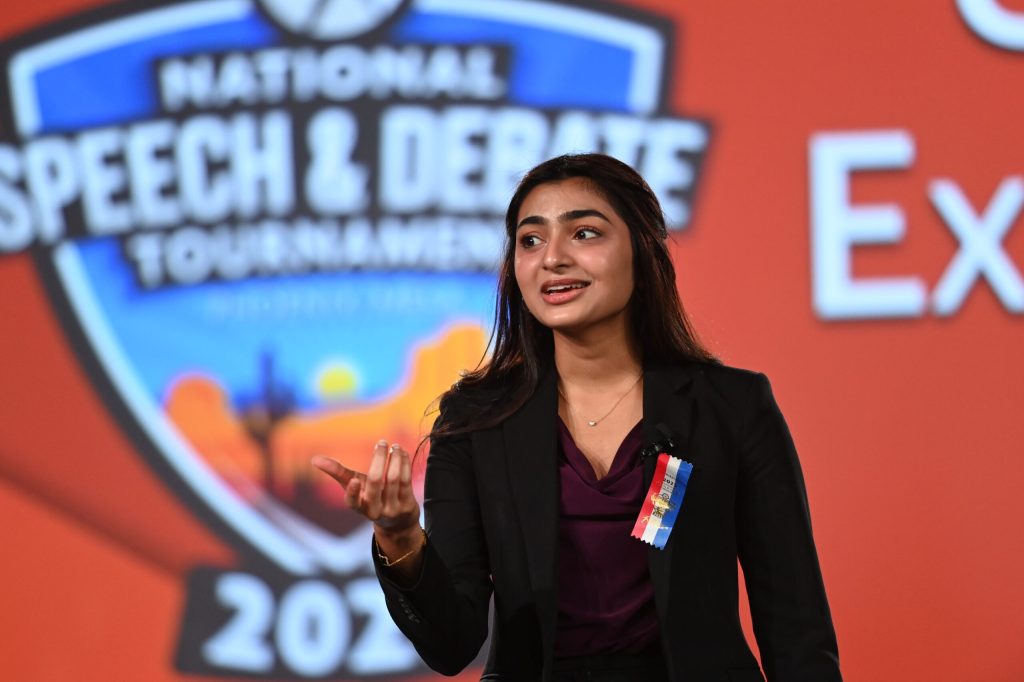
Debate teaches something AI fundamentally doesn’t have. It forces students to think on their feet, adapt when their arguments are challenged, and study ideas they don’t agree with. There’s no “regenerate response” button in a live round. You either understand your argument, or you don’t. 

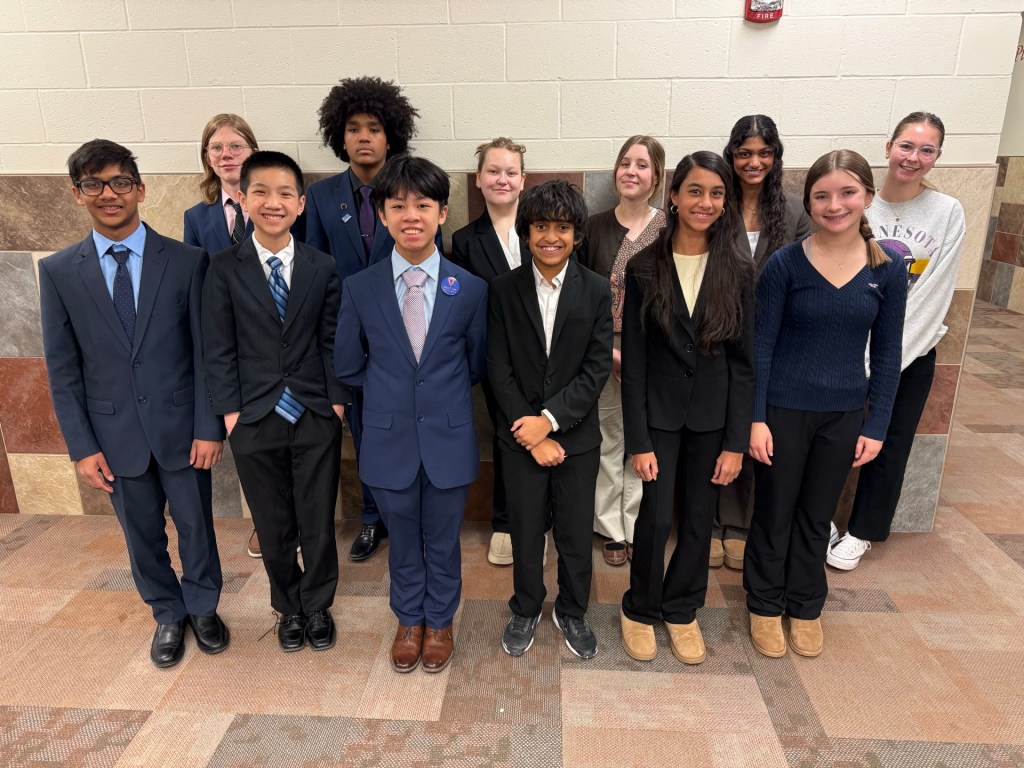
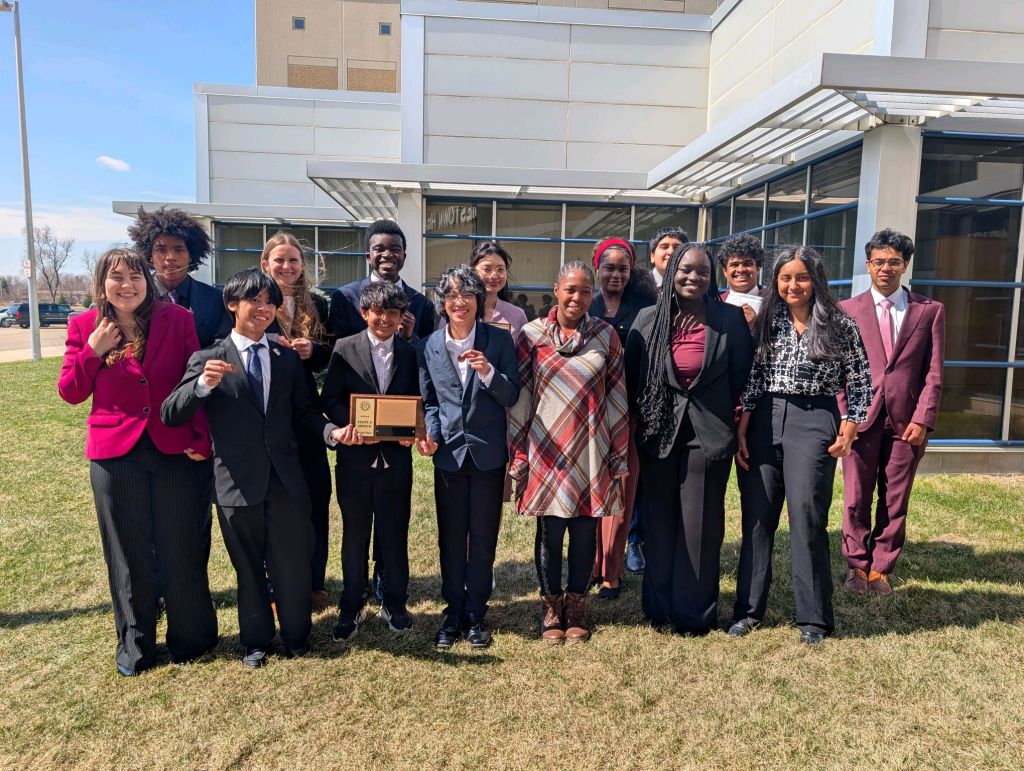
At West Fargo Sheyenne High School’s Debate Team, that idea is proven with their success. Over the past several years, the team has steadily climbed the state rankings: 8th in 2018, 5th in 2019 and 2020, 4th in 2021, and a major leap to 2nd place and state runner-up in 2022, followed by 3rd in 2023. That kind of consistency doesn’t come from copy pasting speeches generated by AI. It comes from students learning how to think, adapt, and perform under pressure. 

The same pattern shows up in speech. Sheyenne has repeatedly earned national recognition through the National Speech & Debate Association’s merit system, joining the prestigious 100 Club in 2016, 2017, 2018, 2020, 2021, and 2023, and reaching the even rarer 200 Club in 2019 and 2022. Those milestones show the teams discipline, communication, and a commitment to mastering skills that no chatbot could ever replicate. 

There’s a human element that even I overlooked at one point. Debate isn’t just about being right and talking over whoever disagrees with you. It’s about being convincing. Tone, delivery, and presence all matter. A well-crafted argument means nothing if it can’t connect with an audience. Students in debate learn to weigh evidence, recognize bias, and make decisions in real time. Ironically, the rise of AI makes debate more relevant. The easier it becomes to generate answers, the more valuable it is to question them. Students don’t need to out compute machines. They need to do what machines can’t. They need to think, adapt, and argue. And that starts with debate. 

The 68th Grammy Awards

By: Mateo Landayan

The 68th Annual Grammy Awards in Los Angeles was a night full of standout performances and recognition as music’s biggest night celebrated mainstream stars. Held at the Crypto.com Arena on February 1, the ceremony had commercial hits, critical favorites, and cultural moments that resonated beyond the stage.

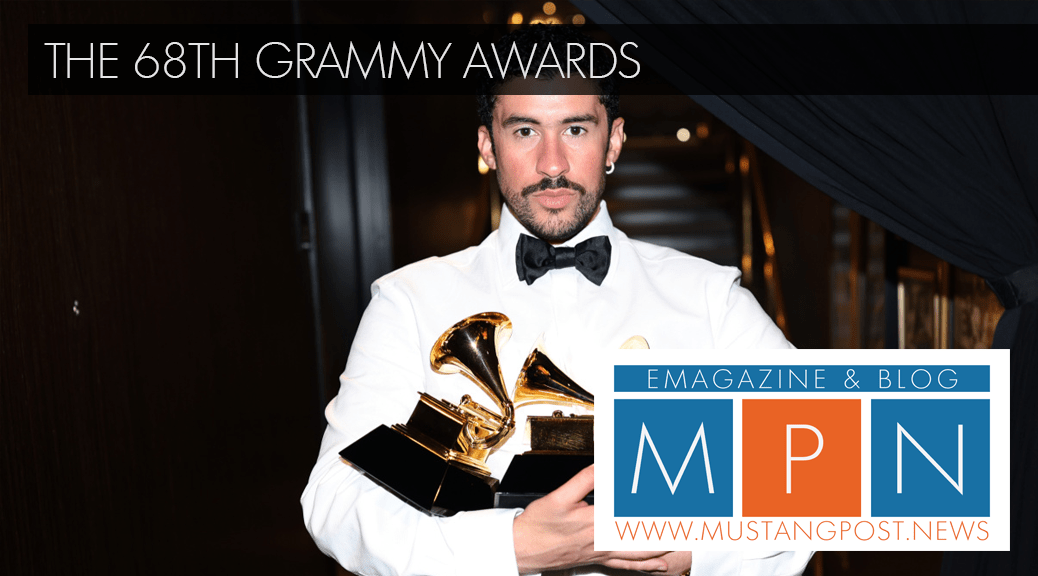
 Among the most talked-about winners was “Debí Tirar Más Fotos” by Bad Bunny, which made history as the first primarily Spanish-language album to win Album of the Year. Delivering his acceptance speech mostly in Spanish, the Puerto Rican artist showed cultural pride and the universality of music. Broadcasted to millions, it focused on how Latino audiences shape the industry while often being sidelined in bigger, national matters.

 In the Song of the Year category, Billie Eilish took home the trophy for “Wildflower” after being nominated for a second year. Meanwhile, Best New Artist went to British singer-songwriter Olivia Dean. Icelandic-Chinese singer-songwriter Laufey won her second career Grammy for Best Traditional Pop Vocal Album for “A Matter of Time.” She previously won the same award in 2024 for “Bewitched”, making her a two-time winner in this category.  

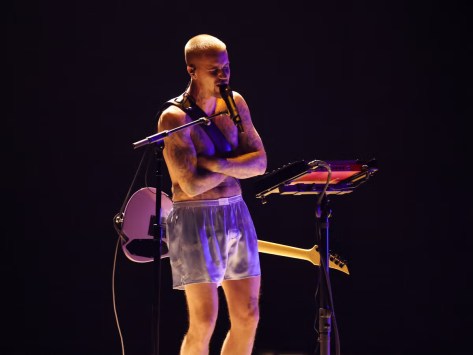
The show itself was filled with memorable performances from a range of genres. Pop and rock icons like Lady Gaga, Rosé, Sabrina Carpenter, Justin Bieber, Tyler, the Creator, and Bruno Mars lit up the stage. Notably, Justin Bieber’s raw performance of “Yukon,” played with just a loop pedal and guitar while in his underwear, stood out for its honesty and minimal staging.  

 Beyond the major categories, the awards highlighted diversity, from Turningstile’s Best Rock Album win to Tyla’s Best African Music Performance. The ceremony also featured emotional and political moments. Several acceptance speeches addressed immigration policy, social justice movements, and cultural identity. The Grammys, once criticized for avoiding controversy, allowed space for those perspectives. That space showed bigger shifts in public expectations. Audiences now look to celebrities not only for entertainment, but for engagement with the world around them.