

By: Savannah Swanson
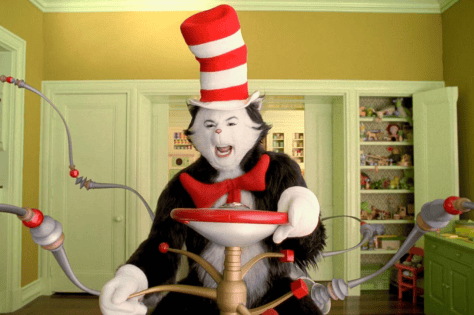
The Cat in the Hat trend is a viral social media trend that includes disturbing AI- generated images of the Dr. Suess character lurking in neighborhoods, schools, and homes.
People are making Cat in the Trend as menacing and Mike Mylers themed, by making it slowly approach homes and set them in a dark place to catch viewer’s interest. The video includes captions with “I’m coming” or direct threats naming schools, communities, and students.
Teens and children are mostly reposting these videos which is causing terror across social media.
The trend started in late June 2026 on TikTok when someone posted an AI generated video of 2003 Mike Myers dancing as Cat in the hat. As the user posted this clip it quickly gained millions of views. This created online horror lore about the characters’ hollow-eyed appearance.
By August 2026, the meme evolved into dark humor posts and horror- style videos circulating in Ireland and the United Kingdom. People in the US and Canada started jacking the trend by AI generating images and fake security footage to place Cat in the Hat in local homes, schools and sometimes targeted threats which has led to police investigations and juvenile arrests.
Many teenagers have even been arrested or charged over posts connected to the trend. Over month ago a 15-year-old Hutchinson high school student created TikTok account for the community referencing the trend and got charged with two counts of criminal threat.
14-year-old arrested in Grand Junction, Colorado for harassment and interfering with school operations.
Numerous school districts in states like Texas, Pennsylvania, Tennessee, Arkansas, and Massachusetts stepped up security and enacted a temporary lockdown.
People went out to buy Cat in the Hat costumes to continue the trend which caused many teens and children to videotape people walking in neighborhoods or Infront of schools with the costume.
Many posts also include names of people which teens or adults have reported to police. This has caused police to have to investigate and go through many videos of Cat in the Hat. Which Greg Mays, deputy commissioner of the Tennessee Office of Homeland security, told New York Times that the problem begins when the images are paired with threats. “That’s where it crosses the line,” Mays said.
The pattern is familiar, in the warning about the trend the Bulter Police department compared it to the ‘killer clown’ scare in 2016, which was false reports of clowns spreading across the country. Just like how people are dressing up or making fake images of the Cat in the Hat “killer” lurking around cities. It’s almost like history repeated itself.
Police advice residents to not share these false accusations as they have proven it is not real and there is no real threat to the residents.
As aggressive laws enforcement crackdowns, which made it clear that these posts were fake and that were posted for hoaxes the trend slowly started to die down. Multiple Juvenile arrest including the 14, 15-year-old and 10 other unnamed juveniles nationwide in Texas, Mississippi, and Minnesota. Lockdowns of schools with heightened security measures like police patrols, bag checks, and some temporary remote learning pivots (Kentucky and Texas).
The official debunking, as multiple months went by in terror for surround cities impacted by these false accusations, police agencies and platforms activity debunked the rumors and clarified the eerie, AI- generated images of the Dr. Seuss character lurking outside of schools or homes were fake hoaxes with no credible danger attached.
Families are thankful that they have finally debunked this as teens, children and adults can now walk outside without a feeling of eerie creepiness.

