All posts by Callen Fosher

The Rise of Carnival Cruising

With temperatures averaging 30 degrees and lower and lots of cold precipitation this spring, many North Dakotans search for spring vacation destinations that are warm and worth their well-earned dollars.


From Florida to tropical islands, people factor in their personal budgets, want for a vacation, as well as flight costs to get to their beloved location.


Weighing in pros and cons of tropical spring destinations, Carnival’s cruise line can’t help but be taken into consideration.


With budget-friendly prices, tropical destination ports, and lively guests, a Carnival cruise would love to see you coming its way!


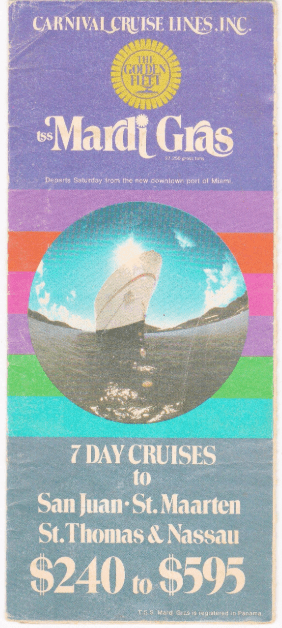
Aimed at average working American people and families looking for an accessible, and budget friendly cruise line, Ted Arison, creator of Norwegian Cruise Lines, started up Carnival Cruise Line in 1972.


At the time, cruising was not a popular vacation option for the “regular people,” and was mostly reserved for the wealthy vacationers looking for a relaxing vacation destination.


Recognizing an opportunity, Arison envisioned a cheaper alternative which would appeal to a different type of audience than other cruising lines.

With its first ship “Mardi Gras” departing from Miami, FL in 1972, Carnival started off strong! Gaining mainstream popularity, Carnival Cruise Line already inherited the nickname, the “Fun Ships.”


Seeing what major growth this line had already produced, Arison purchased two more ships in 1975 and 1978, naming them “Carnivale” and “Festivale.” With the success of the three ships, Carnival decided to do something out of the ordinary and build new ships to be able to compete with other rival Miami cruise lines.


Shocking the whole cruise line industry, Carnival revealed its newest ship “Tropicale” in 1982. With increased fuel prices at the time, people were shocked to see Carnival’s risky move in building their very own ship.


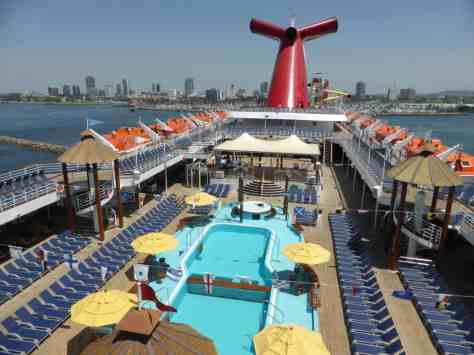
As this ship gained major popularity as well, it also stood as the trademark and base for what other Carnival ship models would be based off of, including its distinctive red, whale like fin.


After Carnival created their first ship, it was all gas from there. Purchasing their first three ships in the 70s, creating a total of three of their own ships in the 80s, the 90s brought around a new wave of change for the cruise. Launching its new “Fantasy Class Line” in 1990, Carnival wanted to change the whole layout of normal cruises at their time.

From 1990-1998, Carnival released a total of eight ships, all of which were extremely massive for this decade. Large pools for kids and adults, themed bars and lounges, and lots of space to move around and mingle, this embarked as a vital rounding point for Carnival.


The 2000s didn’t stop Carnival from creating and revising their own old ship plans and was now the birthplace for three new classes, the “Spirit Class,” the “Conquest Class,” and the “Splendor Class.” With a total of eleven ships taking voyage from 2000-2008, Carnival put major emphasis on space and an improved amenities list for its guests.


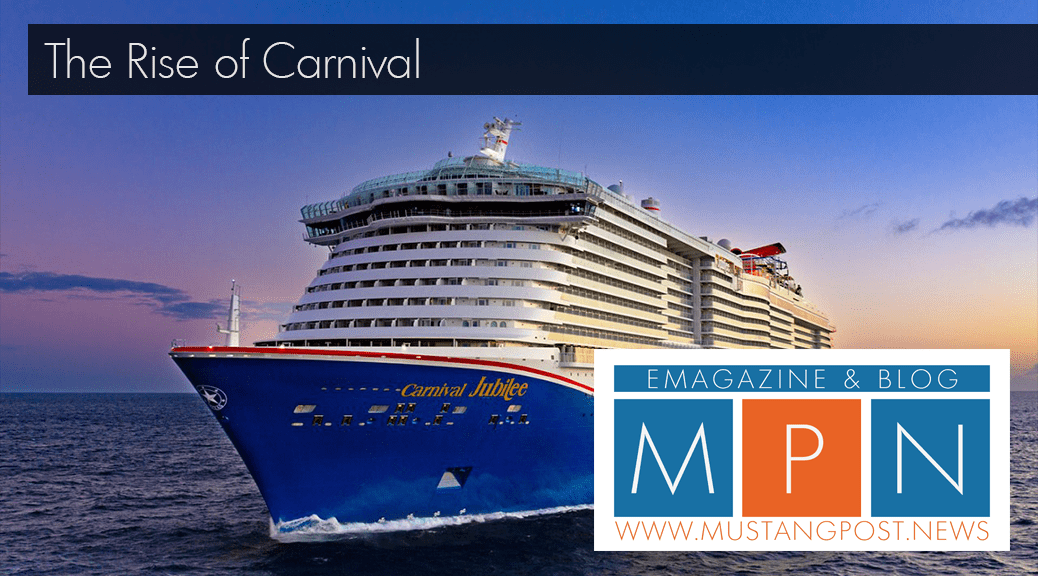
With a total of 14 ships and 5 new classes from 2009-2024, carnival has now introduced to us its biggest upgrade, “Jubilee.”

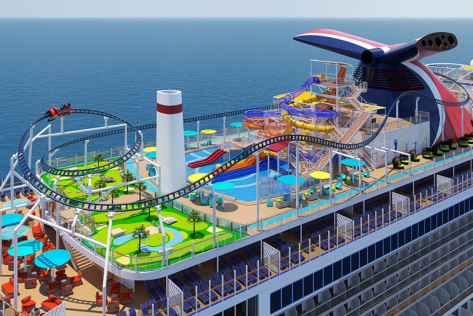
Jubilee is Carnival’s biggest and most anticipated ship yet! With 9 additional cost fine dining options, 13 included dining options, countless pools, a waterpark, spas, gameshows, clubs, mini golf course, basketball court, gym, ropes course, a casino, stores, and the only roller coaster on sea, this ship will have all ages entertained for hours on end.


Departing from Galveston, TX, its port is about an hour drive from Houston’s airport, and sails along the Western Caribbean.


With a worth of 10.75 billion dollars, Carnival Cruise Line has established its name in the top cruise lines around the world. For vacations made fun, book your next Carnival Cruise for loads of fun, relaxing sunshine, and a getaway from this bipolar spring weather!

N.I.L: Name, Image… Money?

By: Callen Fosher

Name Image Likeness. This is the type of world that is taking collegiate athletes by storm, hindering decision making and choices all over the concept of money.

NIL became popular in 2021 when the NCAA lifted their prohibition on college athletes receiving money from their publicity rights.

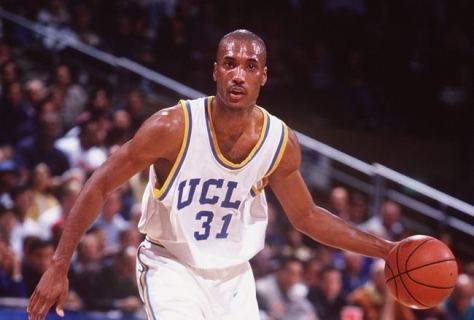
According to Pete Nakos of on3.com, The NIL Era started with the legal court case, O’Bannon v. NCAA. Former UCLA basketball player Ed O’Bannon filed on behalf of the NCAA’s Division I football and men’s basketball players, challenging the organization’s use of the images and the likenesses of its former student athletes for commercial purposes.

The lawsuit argued that upon graduation, a former student athlete should become entitled to financial compensation for NCAA’s commercial uses of their image.

To further O’Bannon’s case, in July of 2009, he filed a lawsuit against the NCAA and the Collegiate Licensing Company, alleging violations and actions that deprived him of his right of publicity.

In January 2011, Oscar Robertson joined O’Bannon in the class action suit along with Bill Russell, among the 20 other former college athletes who agreed to be defendants as well.

Electronic Arts and the Collegiate Licensing Company, both original co-defendants with the NCAA, departed from the case and finalized a $40 million settlement. This compensated current and former collegiate athletes between $4,000 to 100,000, if they had appeared in EA Sports’ NCAA Basketball and NCAA Football series of video games since 2003.

July 1, 2021, the NCAA announced the board had agreed to new rules that removed restrictions on college athletes from entering paid endorsements and other sponsorship deals, and from using agents to manage their publicity.

As the world we live in changes and evolves every day, the atmosphere of college athletics continues to be impacted heavily by Name, Image, and Likeness.

With recruiters showing off a variety of NIL deals they can provide to their athletes, it stirs up lots of drama between schools and the battle with money. As certain schools cannot pay their athletes as much through deals, colleges are losing recruits due to not having money to compensate their NIL.

With highly honored schools like Texas, Ohio State, LSU, Georgia, and Oregon being able to pay their players significantly more than other schools there’s one question to ponder on; was it the correct move to pass NIL deals?

With the exceptions of this new law passed in 2021, thousands of collegiate athletes started brand deals, promotions, and gaining lots of popularity from their Name, Image, and Likeness deals.

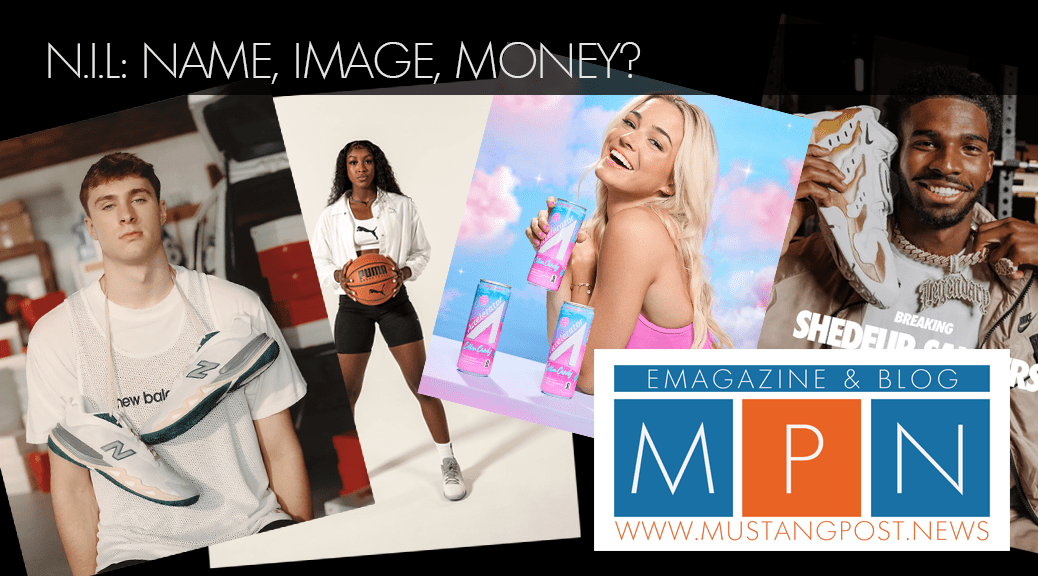
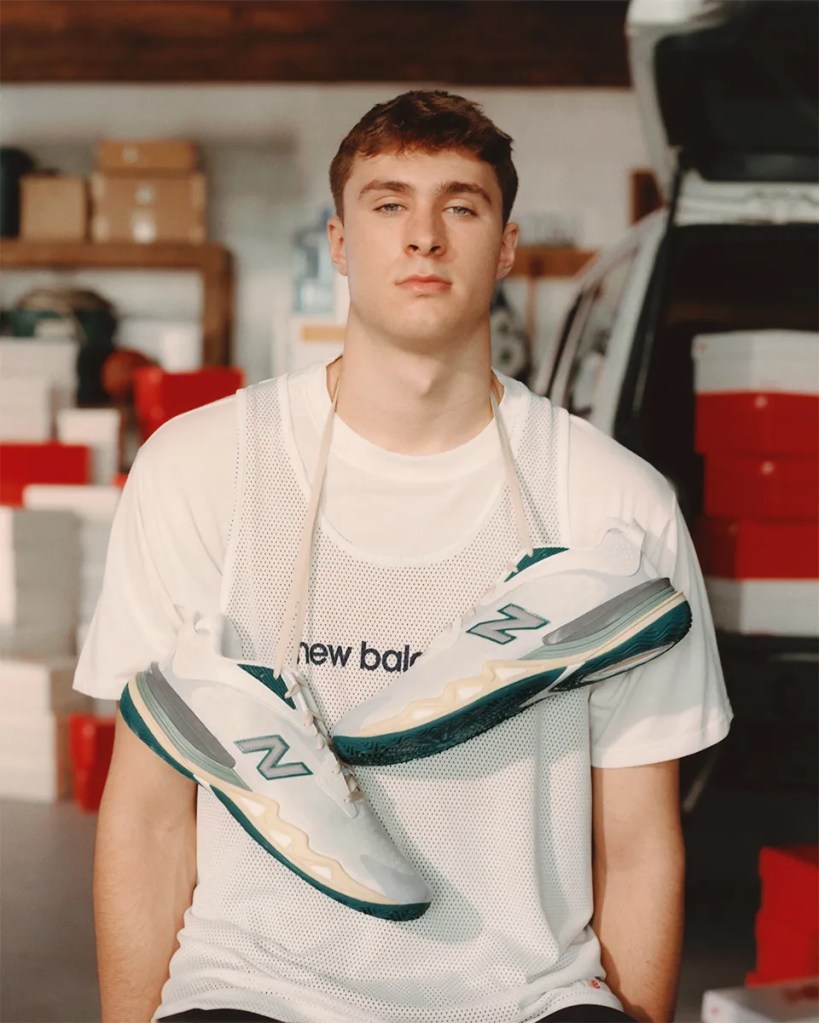
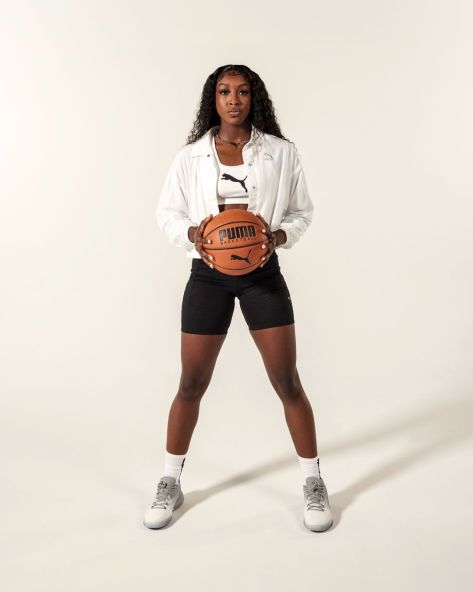
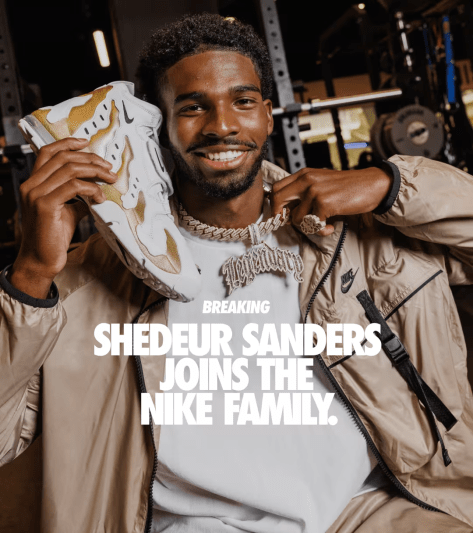
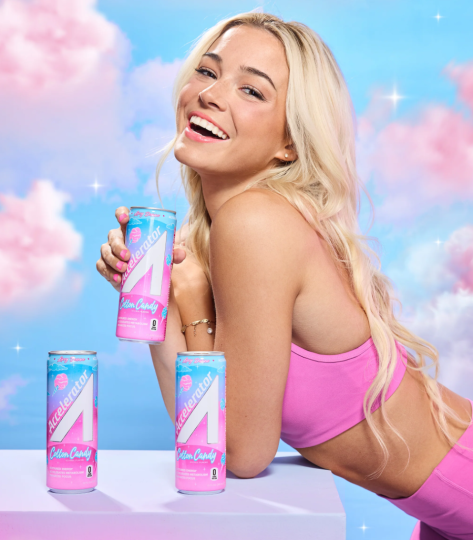
Among many of those athletes, I would like to highlight 4 of the highest paid ones: Cooper Flagg of Duke Men’s Basketball, Flau’jae Johnson of LSU Women’s Basketball, Shedeur Sanders of Colorado Football, and Livvy Dunne of LSU Gymnastics.

These 4 athletes have combined total earnings of 42.4 million dollars from the 2024-2025 season alone and a whopping 48.5 million in total across all their collegiate seasons of NIL earnings.

Cooper Flagg, born December 21, 2006, in Newport, Maine. Flagg attended Nokomis Regional High School and later transferred to Montverde Academy in Florida, his sophomore season.

Following his high school career, Flagg continued his basketball journey to Duke where led the Blue Devils to the ACC regular season title in March of 2025.

After an amazing Freshman season; winning ACC Player of the Year and ACC Rookie of the Year awards, Flagg then declared for the 2025 NBA draft where he was later on taken first overall by the Dallas Mavericks.
Throughout Flagg’s freshman year at Duke, he earned a whopping 28 million dollars from NIL deals. This number totals from a 13-million-dollar contract with New Balance and a 15-million-dollar deal with Fanatics.

Flau’jae Johnson, born November 3, 2003, in Savannah, Georgia. Attended Sprayberry High School in Marietta, Georgia.

Following her high school career, Johnson committed to LSU where she chose to play under head coach Kim Mulkey. In 2022 during her freshman season, Johnson entered as LSU’s starting shooting guard where she helped her team win its first national championship. She was then named the 2022–23 SEC Freshman of the Year.

As her fame continues to grow in college, so do her pockets.

She has signed major NIL deals with brands such as Puma, Meta, JBL, and Taco Bell, earning her a total of 1.5 million in the 2024-2025 season and a total of around 4.5 million annually.

Along with basketball, Johnson also is a rapper who has earned some money from this as well, earning towards her 7-million-dollar net worth.

Shedeur Sanders, born February 7, 2002, in Tyler, Texas, to former NFL player Deion Sanders.

He attended Trinity Christian School in Cedar Hill, Texas. Initially committing to play college football at Florida Atlantic, he then flipped to Jackson State.

There, Sanders earned SWAC Freshman of the Year, second-team All-SWAC, and won the Jerry Rice Award.

Sanders soon transferred to The University of Colorado where he earned Big 12 Offensive Player of the Year honors, winner of the Johnny Unitas Golden Arm Award, as well as his jersey number being retired for the Buffaloe.

Following the 2025 season, Sanders declared for the 2025 NFL Draft where he was selected in the fifth round by the Cleveland Browns.

With Sanders successful collegiate career, he had also signed major NIL deals with numerous companies including Gatorade, Beats by Dre, and Nike, earning him a total of around 6.5 million adding to his rookie contract of 4.6 million.

Olivia (Livvy) Dunne, born October 1, 2002, in Westwood New Jersey.
Dunne joined the LSU Tigers gymnastics team in 2020 where she competed on uneven bars in every regular season meet.

During the 2023–24 season, Dunne competed eight routines on floor exercise, matching her career-high of 9.9 twice.

She also competed on the uneven bars twice, including at the SEC Championships, where LSU won the team title.

Along with her gymnastics success, Dunne also is the most-followed NCAA athlete on social media, with more than 8 million followers on TikTok and 5 million on Instagram.

During her time at LSU, Dunne was the highest-valued women’s college athlete with an estimated NIL valuation of $3.9 million annually and a total of 9.5 million total across her whole collegiate time. Major endorsement deals with Dunne include Grubhub, Vuori, Bodyarmor, Crocs, American Eagle Outfitters, ESPN’s Sport’s Illustrated Model, and Accelerator Energy.