The October issue of the MEDIUM for the 2026-2027 is out now! You can read the current issue here!

The October issue of the MEDIUM for the 2026-2027 is out now! You can read the current issue here!
By: Mateo Landayan
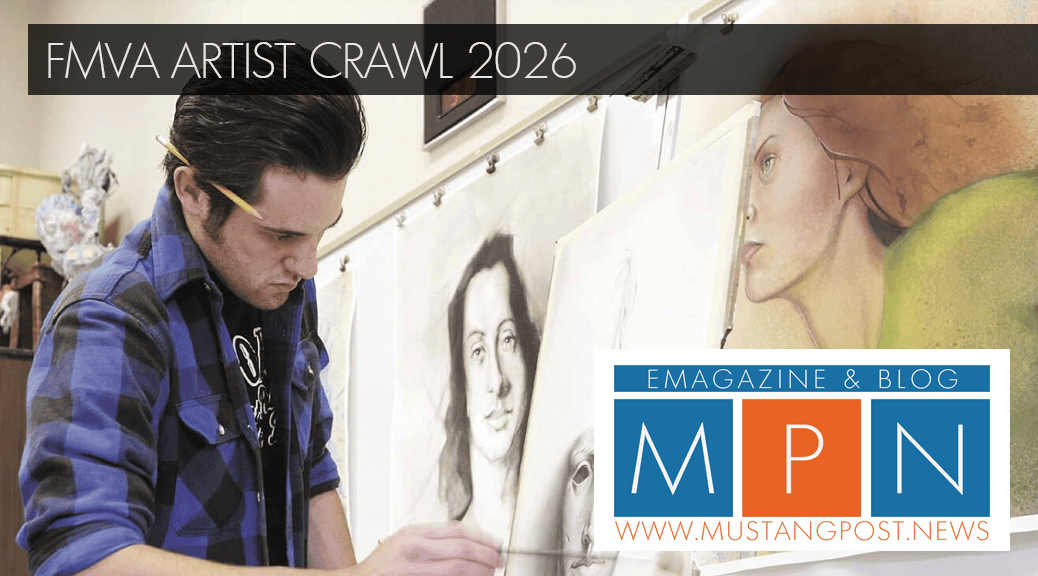
Art can feel like something you have to travel somewhere else to experience. Museums, galleries, expensive tickets, and my dad’s classic “I’ll go next weekend” excuse can make local art incredibly easy to overlook. But every fall, The Fargo-Moorhead Visual Artists Studio crawl becomes one of the busiest weekends for local art, bringing artists out of their galleries and into their studios.
The Studio Crawl is a free two-day event where artists across the Fargo-Moorhead area open their studios to the public. The events take place October 4 and 5 from noon to 6 pm, giving visitors the chance to see artists working, demonstrate their techniques, and talk about their creative process.
According to FMVA, the event began in 2004 with just 24 studios. Since then, it has grown into a regional art event connecting established artists, newer creators, and the community.
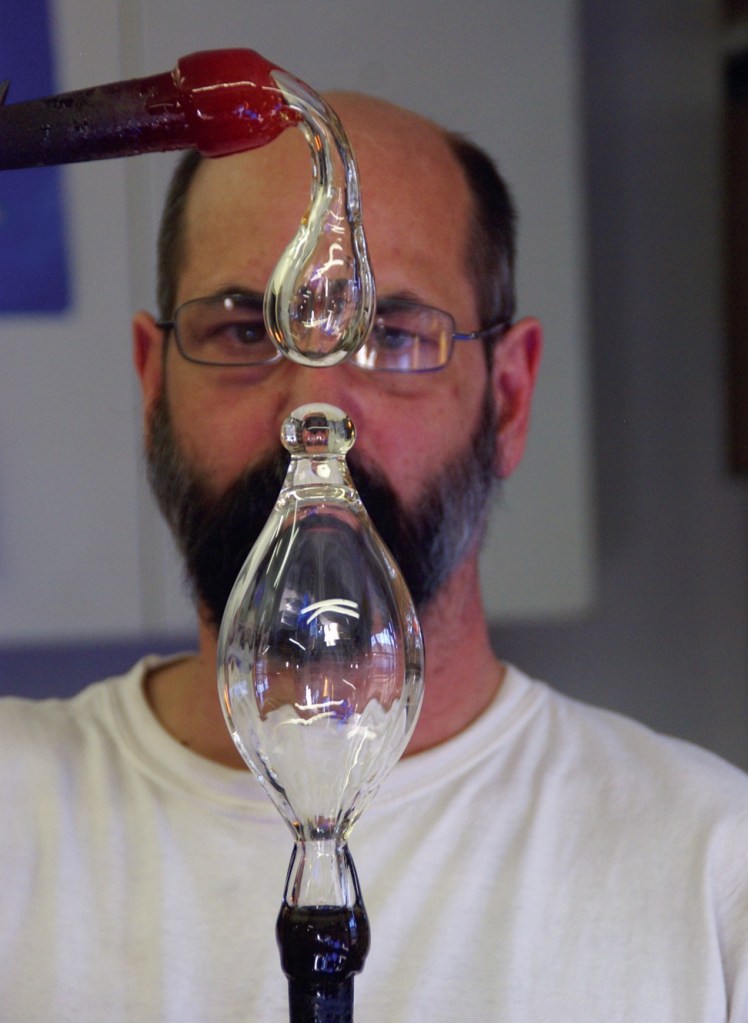
The 2025 event also marked a change for FMVA. Longtime studio crawl director Jon Offutt announced his retirement after the event following years of helping organize and grow the program. FMVA recognized his work in its 2025 brochure and described his impact on the organization and its artists.
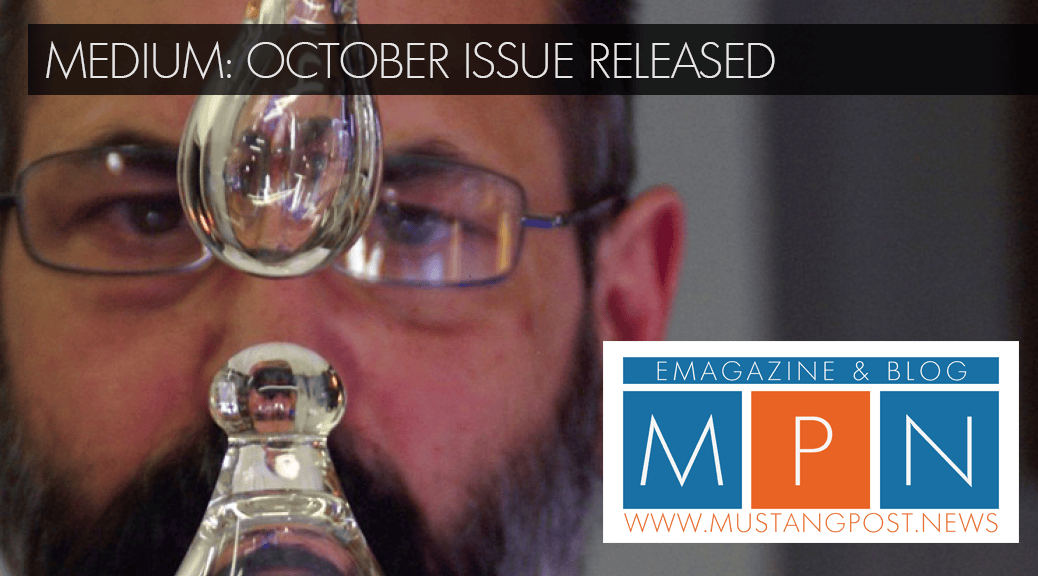
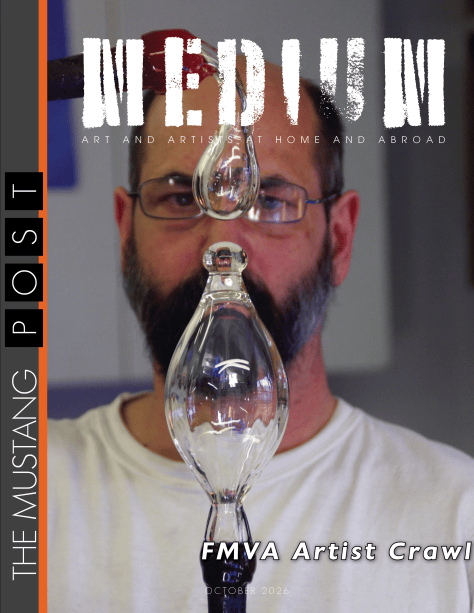
Offutt is also an artist himself. His work includes blown glass vessels created through his studio House of Mulciber. He also travelled throughout the region with a mobile glassblowing studio that gives people the opportunity to watch the process happen in front of them.
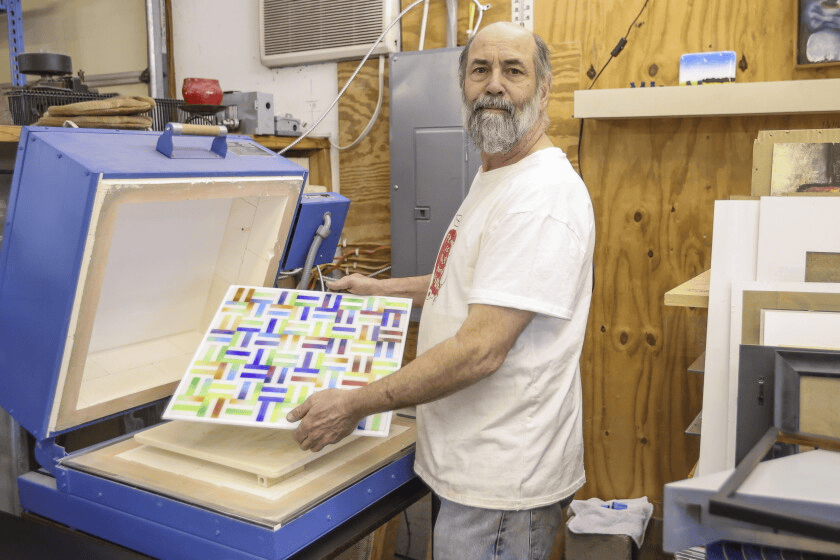
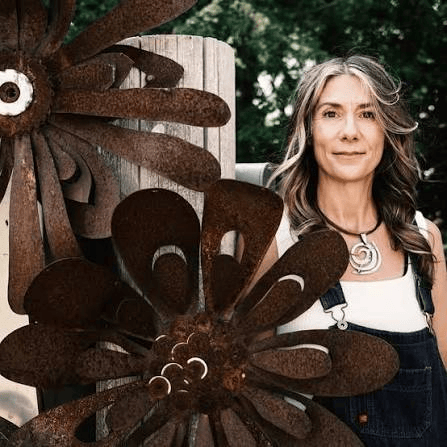
Other artists have brought their own unusual studios into the Crawl over the years. Karman Rheault once invited visitors into a 100 year old granary named Snowfire Studio to watch metal sculpture being created before walking over to a home gallery and outdoor sculpture garden.
For visitors, the Studio Crawl offers plenty to look at, and probably a few opportunities to realize that “I could probably make that in a couple days” is way easier to say than actually doing it. Artists demonstrate their work, discuss their techniques, and bring visitors into their creative spaces. FMVA requires artists to be present and demonstrate their work throughout the event.
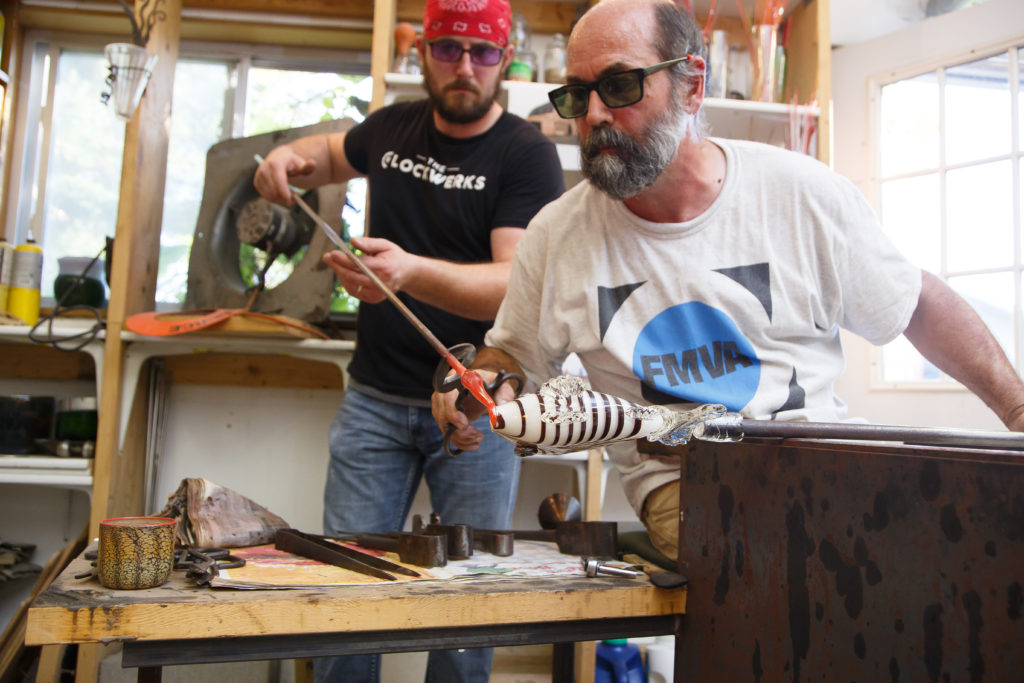
The studio crawl continues to give Fargo Moorhead artists a way to put their work into their community. With studio demos and plenty of art packed into one weekend, it turns the local creative scene into something people can actually walk through, one studio at a time.
By: Mateo Landayan
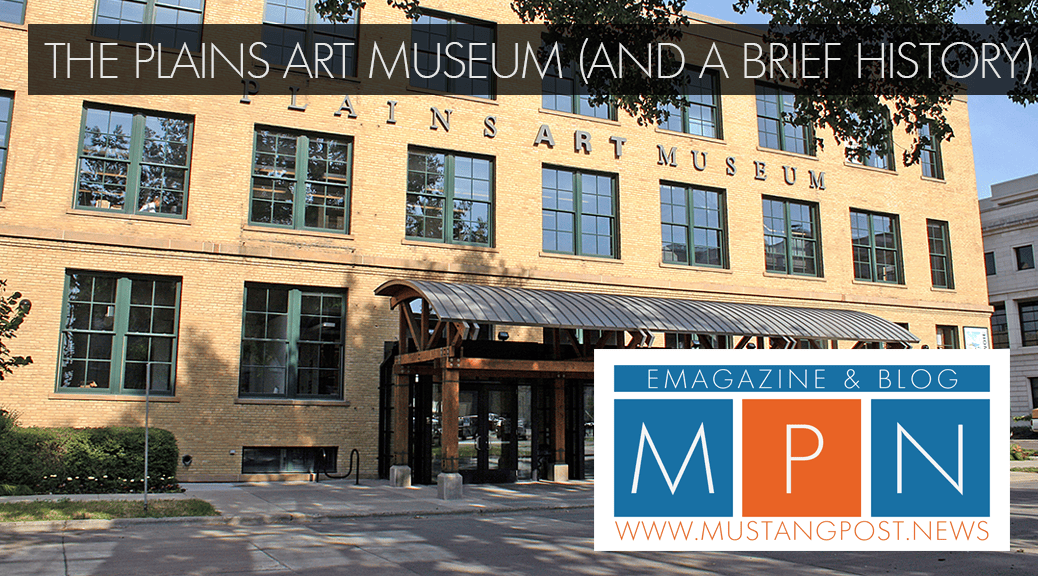
Downtown Fargo has plenty of places to spend an afternoon, but one of the biggest collections of art is sitting inside a former warehouse on First Avenue North. The plains art museum has been a part of Fargo’s art scene for more than 60 years, and this summer, the museum is beginning one of its biggest changes yet. With Olson Kundig leading the design of a new collection storage facility, parts of the museum that usually stay behind the scenes could soon be a part of the visitor experience.
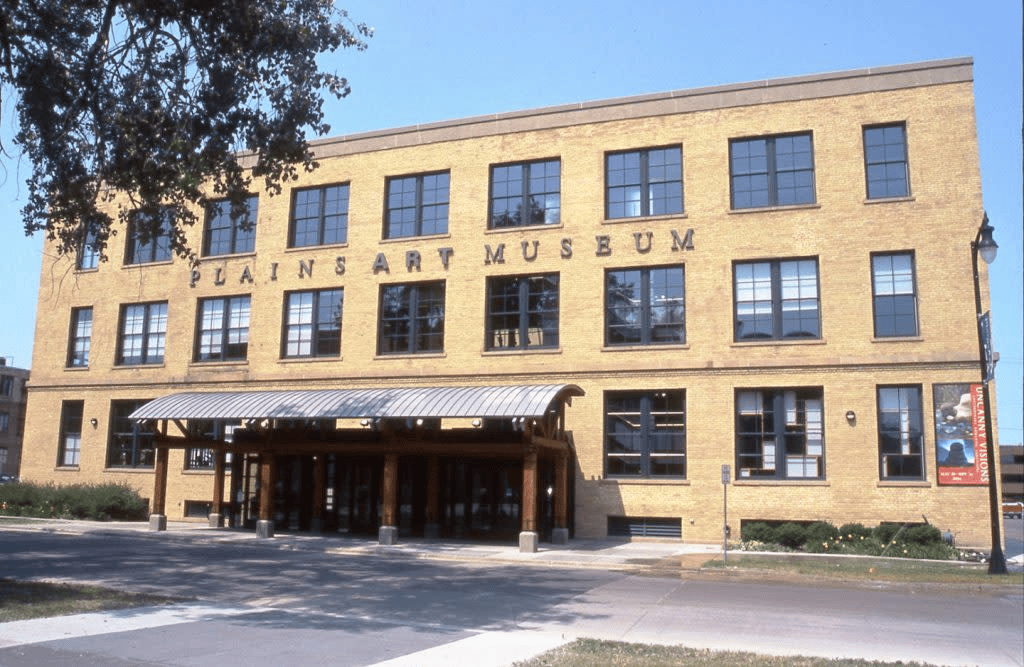
The plains art museum began in 1965 as the Red River Art Center, created by Fargo Moorhead community members. In 1975, it merged with the O’Rourke Art Gallery Museum and became the Plains art Museum we know today. It later moved into a renovated International Harvester warehouse in downtown Fargo, where it establishes its permanent collection. Today, the museum has more than 6000 works of art and is North Dakota’s only American Alliance of Museums accredited art museum. Now, they’re getting a pretty big upgrade.
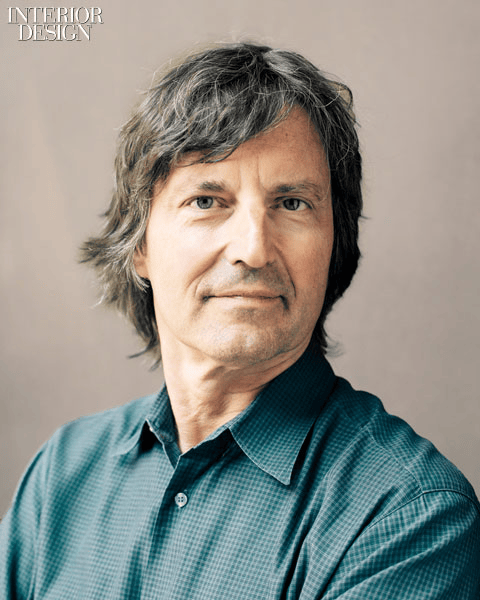
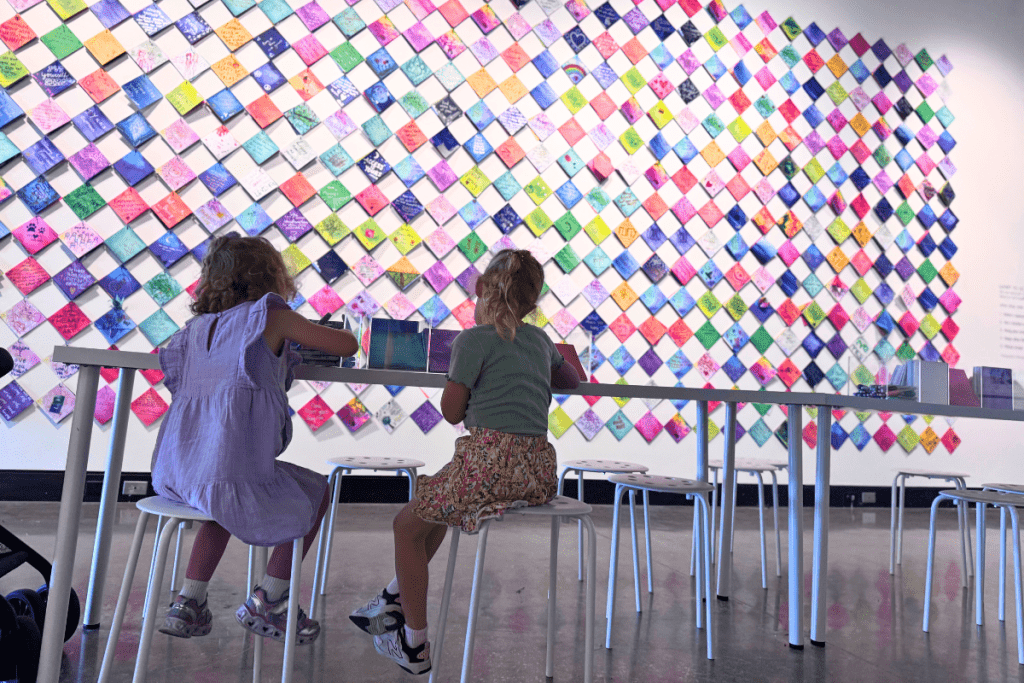
This summer, the Plains art Museum began construction on the first phase of its Connections Campaign. The project includes a new permanent collection storage facility designed by the internationally recognized architecture firm Olson Kundig. The facility will nearly double the museums collection storage space and introduce an open-storage concept, allowing visitors to see parts of the permanent collection that stay behind the scenes.
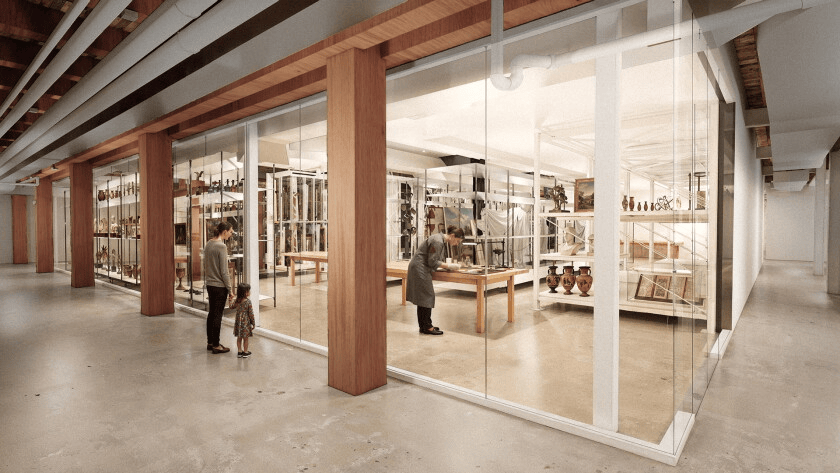
There’s a lot to put behind those doors. Plains Art Museum holds more than 6000 works, including indigenous, national, international, and regional art. In the past two years, the museum added more than 450 pieces to its collection.
Olson Kundigs work is a part of a much larger plan to change how visitors experience the museum, the Connections Campaign will eventually include a new welcome center that connects the existing museum building with the Katherine Kilbourne Burgundian Center for Creativity. The goal is to make the campus easier to navigate while giving visitors more ways to interact with the collection.
Construction began in June, making this summer the star of a major new chapter for the Plains Art Museum. The Museum has already spent decades growing with Fargo. Now, Olson Kundig is helping to create more room for that collection to grow, while giving visitors a much closer look at the art that usually stays behind the scenes and should be put out.
By: Christina Miller
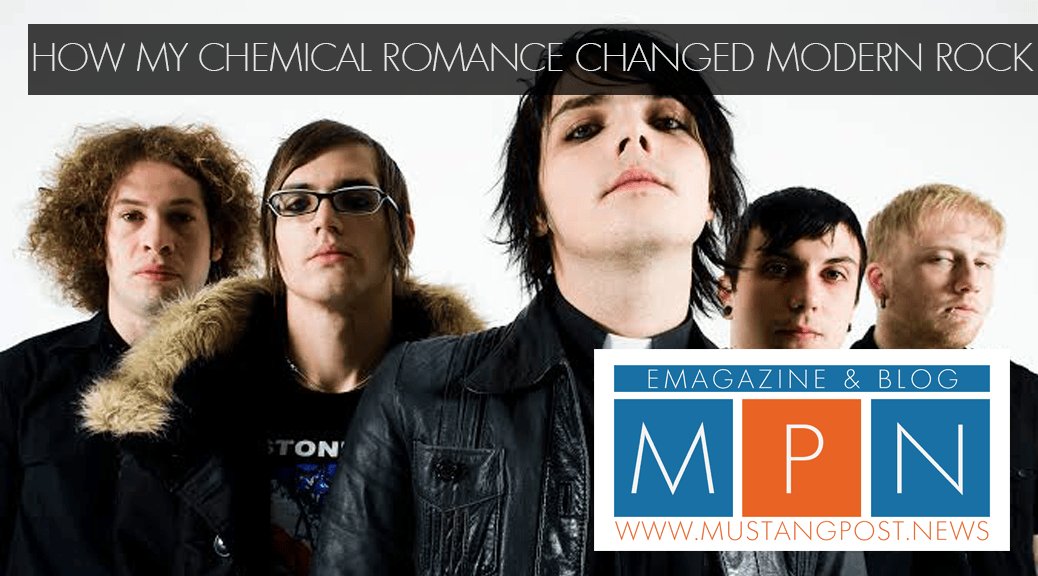
My Chemical Romance was very popular in the late 2000s and early 2010s. The band helped shape the sound, style, and emotional lyrics of the rock and emo genres. Their influence still carries over into many modern-day bands with theater-like music.
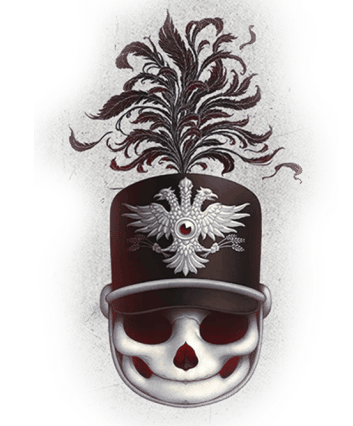
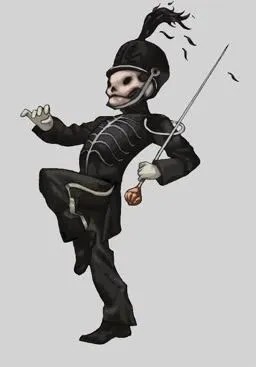
The band helped bring emo music into the mainstream. During the 2000’s, they released the albums Three Cheers for Sweet Revenge and The Black Parade, which blew up and widened the audience for emo and rock. They brought emotional lyrics and darker themes.
They influenced others to make their bands more theatrical with stories and themes. When My Chemical Romance made an album, it always had a story to it. The album by My Chemical Romance “Danger Days: The True Lives of the Fabulous Killjoys” has a full story to it; the story takes place in a post-apocalyptic California and is based around the lives of a rebel group called the “Killjoys,” and this helps create the theatrical aspect in the album.
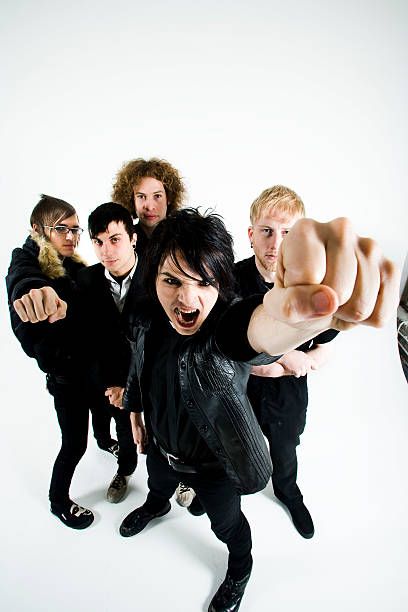
Most rock bands used to be very not emotional, more like “don’t be weak” and “be hardcore”. My Chemical Romance changed that with their emotional lyrics and normalized having deep emotions in songs. Many of their songs explored emotions like grief, isolation, and insecurity. It influenced bands to express vulnerability and real emotion that comes from the heart.
My Chemical Romance proved that rock can expand its sound. The band has experimented with many sounds in their career, like grand opera mixed with the emo rock sound, with their album I Brought You My Bullets, You Brought Me Your Love. It showed other bands that you can mix two genres to make a new sound.
They have influenced so many bands and artists like Twenty One Pilots, Yungblud, and Panic! At the Disco. Even the lead guitarist in the pop-punk band State Champs states, “They weren’t just a rock band, they were a rock band that didn’t look ordinary. They were a rock band that’s very comfortable being different, and that’s very inspiring to see them have so much success from just being themselves.”
My Chemical Romance made a blueprint for newer bands and artists. A lot of bands these days make their music more emotional, with deeper meaning and dark themes, and create their own identity for themselves with the help of the blueprint. The impact that My Chemical Romance has had on the rock genre.
By: Christina Miller
Olivia Rodrigo founded and headlined the Daisy Chain Fields Festival. It took place in Irvine, CA, on August 28, 2026. The festival was created to raise money and give all the profits to ten charities. The festival drew approximately 45,000 people, and tickets sold out within 30 minutes. The festival held 14 performances. The festival brought together artists from different generations and musical genres. The purpose was to extend beyond entertainment, creating a space where music, community, and charitable giving could bring fans together.
The festival brought many people together from newer and older generations. All types of genres were played. Olivia Rodrigo created the festival to support women’s rights and made the lineup all-women. Artists included Olivia Rodrigo as the headliner, Chappell Roan, Doechii, Mitski, Bikini Kill, Garbage, and the Breeders, alongside special guests such as Stevie Nicks, Karen O, and Sarah McLachlan. It also gave fans opportunities to discover artists they might not have listened to before and find new love for music.
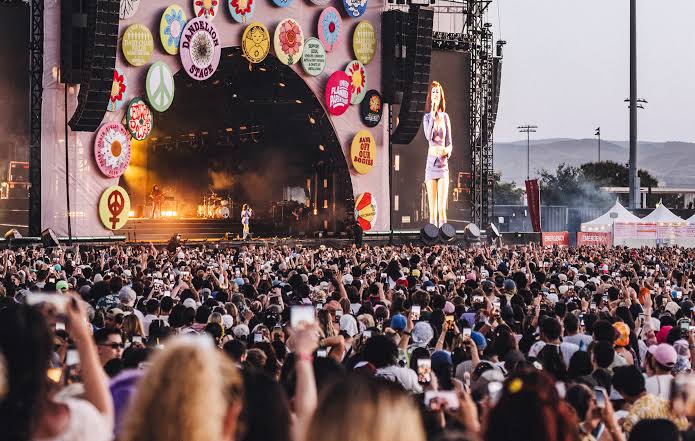
Daisy Chain Fields made by Rodrigo also highlights how much women’s representation we really do need in the music industry. Women have influenced many genres we have today, like indie, rock, and pop. Yet many women in the music industry faced barriers for opportunities for years like Martha Warsh when she was big in the 1990s for her voice behind many dance hits but many songs she was in, she was left uncredited, and pushed aside. This festival gives these women more opportunities to be front and center instead of being pushed aside into the shadows.
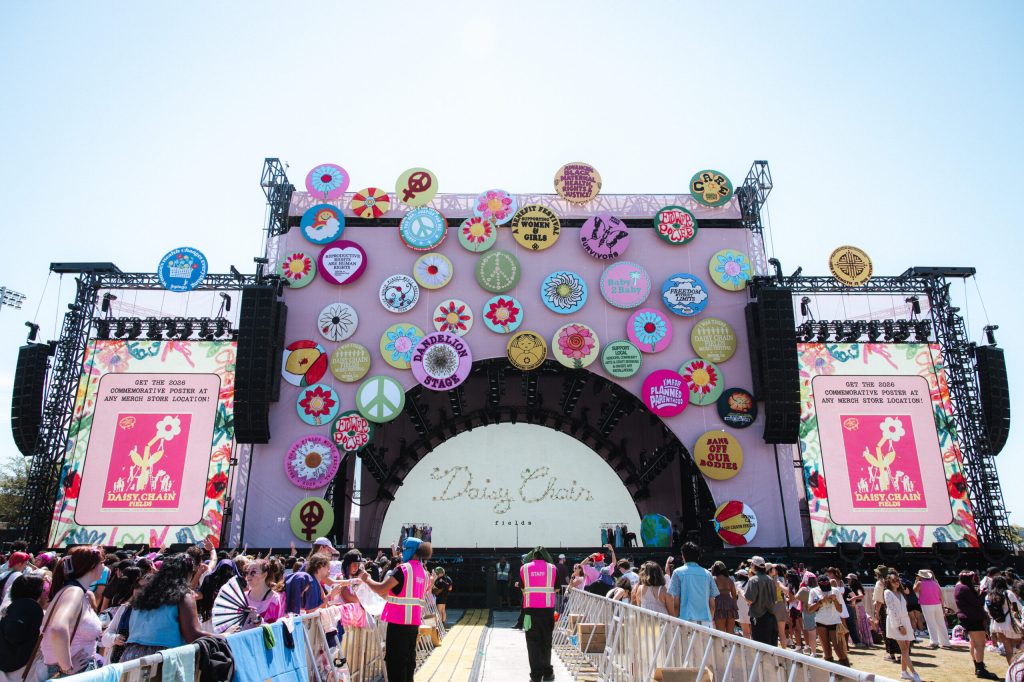
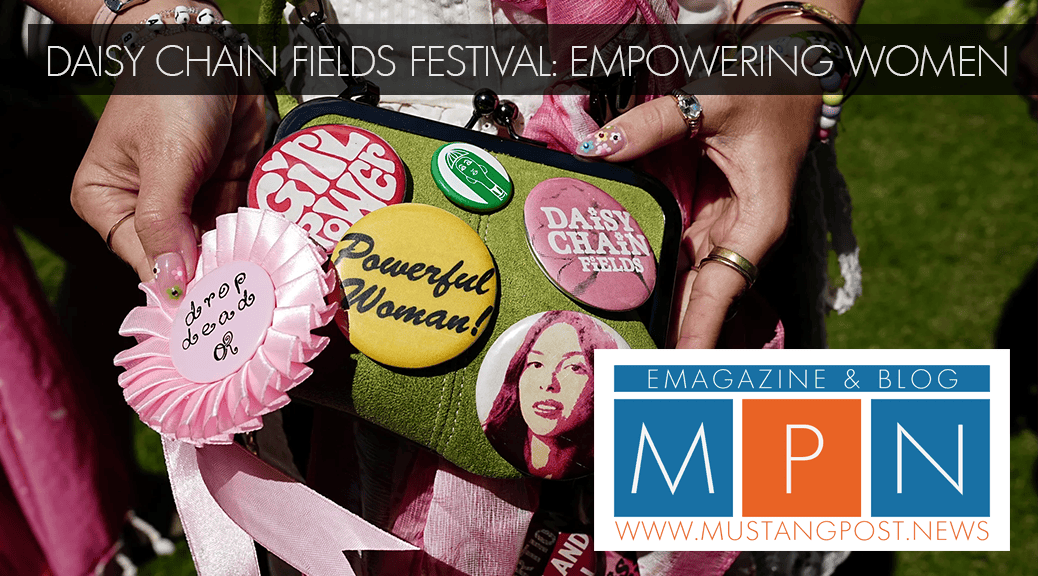
Olivia Rodrigo designed this festival to reflect the feelings of friendship and connection. She imagined girls sitting beneath a tree, making daisy chains, flower crowns, and friendship bracelets. This image inspired the festival’s design, and as you walk through the festival, you see bright colors, large flowers, and the stage has giant buttons on it with symbolism of creativity.
The mission of the festival is very successful. It brought fans together and raised 10 million. All the profit from the festival was spread across 10 charities. Olivia Rodrigo stated on her Instagram, “Daisy Chain Fields features an all-women lineup and 100 percent of the net proceeds will go to charities dedicated to advancing and advocating for women and girls.” Later, the amount of money was increased to 20 million and announced by Pivotal organizations matching the money Rodrigo raised.